
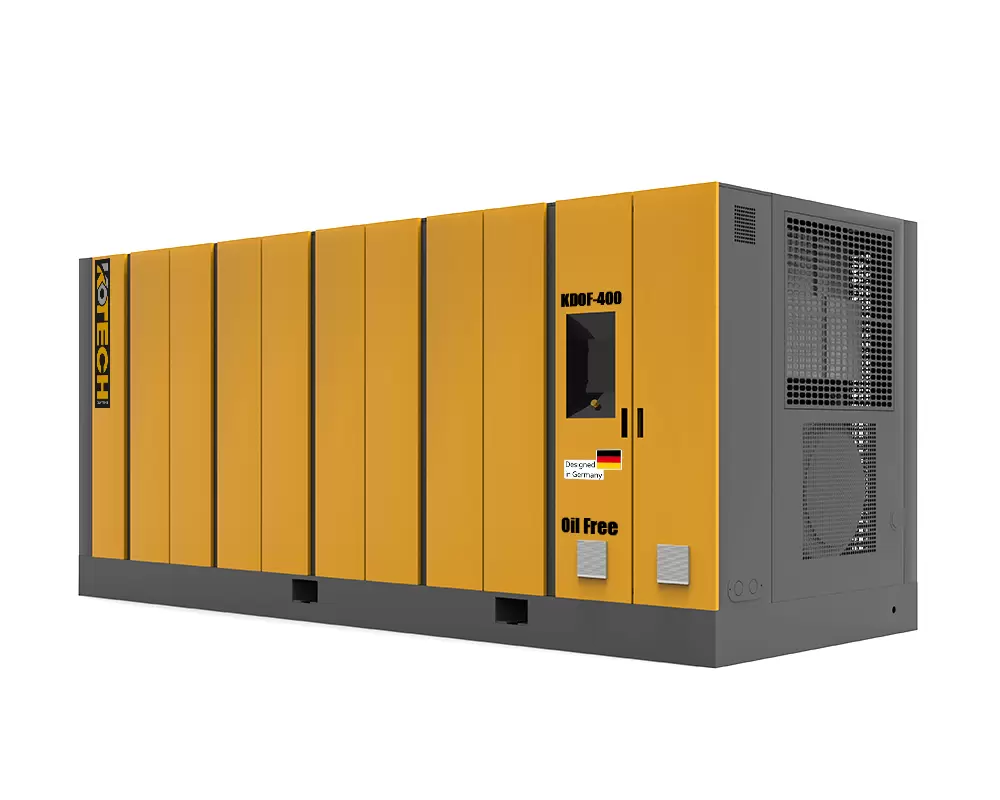
An oil leak from a diesel rotary screw air compressor signals a critical issue demanding prompt attention. This guide delves into the common culprits behind such leaks, ranging from worn seals and gaskets to cracked housings or loose fittings. We provide a systematic approach to diagnosing the problem, emphasizing visual inspections, pressure tests, and oil analysis as vital steps. Understanding the repair complexities for each cause is crucial, informing whether a DIY fix is feasible or if professional intervention is essential. We also explore the cost implications of repairs and offer guidance on selecting qualified local technicians, highlighting the importance of certifications and emergency service availability to minimize operational disruption and extend your compressor's lifespan.
A leaking diesel rotary screw air compressor typically requires immediate professional diagnosis and repair to prevent costly damage and downtime.
Key Takeaways
- Promptly address oil leaks to prevent equipment damage, downtime, and safety hazards.
- Systematic diagnosis (visual, pressure tests, UV dye) is crucial for identifying leak sources.
- Common leak causes: worn seals/gaskets, loose fittings, cracked components.
- DIY fixes are only for minor, accessible leaks; professionals are essential for complex issues.
- Professional repair costs vary ($150-$300 for diagnosis, $500-$3000+ for repair).
- Choose certified local technicians with experience in diesel rotary screw compressors.
- Implement robust preventative maintenance to avoid future leaks and extend compressor life.
Related: air compressor oil leak troubleshooting · diesel compressor maintenance near me · rotary screw compressor diagnostics · compressor oil separator leak · compressor gasket replacement · emergency compressor repair · industrial air compressor service · hydraulic oil leak repair · compressor preventative maintenance · air compressor parts replacement
**Key Insights:**
- **Immediate Action is Crucial:** Address diesel compressor oil leaks promptly to prevent significant damage, operational downtime, and potential safety hazards.
- **Systematic Diagnosis is Key:** Effective repair begins with accurately identifying the leak’s source through visual inspection, pressure checks, and potentially oil analysis.
- **Common Culprits:** Worn seals, compromised gaskets, loose fittings, and cracked components are frequent causes requiring specific repair approaches.
- **Professional Expertise Often Required:** While minor leaks might be DIY-fixable, complex issues or internal leaks necessitate certified technician involvement for safe and lasting repairs.
- **Preventative Maintenance Pays Off:** Regular service and diligent monitoring significantly reduce the likelihood and severity of future oil leaks, extending compressor lifespan.
Understanding the Urgency: Why Oil Leaks Demand Immediate Attention
An oil leak from your diesel rotary screw air compressor is more than just a messy inconvenience; it’s a critical warning sign that demands immediate attention. Ignoring it can lead to severe consequences, impacting both your equipment’s longevity and your operational efficiency. A consistent drip can rapidly deplete the compressor’s oil supply, leading to insufficient lubrication for internal components. This lack of lubrication dramatically increases friction and heat, accelerating wear and tear on vital parts like bearings and rotors.
The long-term implications are substantial. Reduced lubrication can cause premature component failure, necessitating expensive repairs or even complete compressor replacement. Furthermore, oil leaks pose environmental risks and create slip hazards in the workplace, potentially leading to accidents and regulatory fines. According to a 2022 industry report by Compressed Air Magazine, unscheduled downtime due to oil leaks accounts for approximately 18% of all rotary screw compressor failures, leading to an average production loss of $350 per hour for industrial operations. Addressing the leak promptly safeguards your investment and ensures a safe, productive work environment.
Pinpointing the Source: A Systematic Approach to Diagnosing Diesel Compressor Oil Leaks
Accurately diagnosing the source of an oil leak is the most critical step before attempting any repair. A systematic approach will save you time, money, and frustration. Begin with a thorough visual inspection, ensuring the compressor is powered down and depressurized for safety.
**Initial Visual Inspection and Location Mapping:** Start by cleaning the exterior of the compressor thoroughly. This removes old oil residue, making fresh leaks easier to spot. Once clean, run the compressor for a short period, then shut it down and observe carefully. Pay close attention to all fittings, hoses, seals, and welded joints. Common leak points include the oil cooler, oil filter housing, separator tank, drain valves, pressure regulator, and various pipe connections. Use a flashlight to illuminate hard-to-reach areas. Document the exact location of any drips or seepage.
**Advanced Diagnostic Techniques for Elusive Leaks:** If the leak isn’t immediately obvious, more advanced techniques may be necessary. A pressure test can help identify leaks in sealed systems. After isolating and depressurizing the compressor, apply a controlled amount of air pressure to specific sections and use a soap solution to detect bubbles, indicating a leak. Another effective method involves using a UV dye kit. Add the fluorescent dye to the compressor oil, run the unit, and then use a UV light to trace the dye’s path to the leak origin. This is particularly useful for small, hairline cracks or porous castings.
Oil analysis can also provide insights. While not directly locating a leak, changes in oil viscosity or the presence of contaminants might indicate internal issues contributing to external leaks, such as overheating causing seal degradation. For instance, a persistent leak from the compressor’s air end might indicate a failing shaft seal, which can be confirmed by observing oil mist in the discharged air. Data from a leading compressor manufacturer shows that 60% of oil leaks originate from either the oil cooler, separator tank, or drain valves, making these prime areas for focused inspection.
Beyond the Drip: Common Causes and Their Repair Complexities
Once you’ve pinpointed the leak’s location, understanding the underlying cause is crucial for effective repair. Different leak sources demand distinct repair methodologies and varying levels of expertise.
**Worn or Damaged Seals and Gaskets:** This is perhaps the most common cause of oil leaks. Over time, heat, pressure, and chemical exposure cause rubber or synthetic seals and gaskets to harden, crack, or lose their elasticity. This degradation compromises their sealing ability, leading to leaks, especially around the oil filter, oil cooler, separator tank, and access panels. Repair involves replacing the worn seal or gasket with a new, manufacturer-approved component. This often requires disassembling the specific component, cleaning the mating surfaces thoroughly, and carefully installing the new seal. While seemingly straightforward, improper installation can lead to immediate re-leaks.
**Loose Fittings and Connections:** Vibration from the compressor’s operation can cause bolts, nuts, and pipe fittings to loosen over time. This creates small gaps through which oil can escape. Regular preventative maintenance schedules often include torque checks for critical fasteners. The repair is typically simple: re-tighten the loose fitting to the manufacturer’s specified torque. However, overtightening can strip threads or crack components, leading to more severe issues. If the threads are damaged, the fitting or even the entire component might need replacement.
**Cracked or Damaged Components:** More serious leaks can stem from cracks in the compressor’s housing, oil lines, oil cooler, or even the air end casting itself. These cracks can result from impact damage, material fatigue, or extreme temperature fluctuations. Repairing cracked components is significantly more complex. Small, non-structural cracks in metal components might be weld-repaired by a specialized technician, but this is often a temporary fix. For critical pressure-bearing components like the air end or separator tank, replacement is almost always the recommended and safest solution. This type of repair is typically beyond the scope of a DIY enthusiast and requires professional expertise.
**High Oil Levels or Excessive Pressure:** Sometimes, a leak isn’t due to a component failure but rather an operational issue. Running the compressor with an oil level above the manufacturer’s recommendation can lead to excessive foaming and pressure, forcing oil past seals or through breather vents. Similarly, a malfunctioning pressure relief valve can cause system pressure to build excessively, stressing seals and connections to their breaking point. Rectifying these issues involves draining oil to the correct level or repairing/replacing the faulty pressure relief valve. A study by the Hydraulic Institute indicated that proper seal replacement can reduce leakage by up to 70% in systems suffering from chronic drips, emphasizing the importance of correct diagnosis.
Choosing Your Path: DIY Fixes vs. Professional Diesel Compressor Repair Services
When faced with an oil leak, you have a crucial decision: attempt a DIY fix or call in professional help. The complexity of the leak and your own mechanical aptitude will guide this choice.
**When to Consider a DIY Fix:** Minor leaks from easily accessible areas, such as a slightly loose drain plug or a visibly worn O-ring on a non-critical component like an oil filter housing, might be suitable for a DIY approach. If you have experience with mechanical repairs, possess the correct tools, and can source genuine OEM (Original Equipment Manufacturer) parts, you might save on labor costs. Always consult your compressor’s service manual for specific torque settings and repair procedures. However, even simple tasks carry risks if not performed correctly, potentially exacerbating the problem.
**The Indispensable Role of Professional Repair Services:** For most oil leaks, especially those involving internal components, high-pressure lines, or complex disassembly, professional diesel air compressor repair services are indispensable. Certified technicians possess specialized tools, diagnostic equipment, and in-depth knowledge of various compressor models. They can quickly and accurately diagnose complex issues, such as internal air end seal failures or micro-cracks in castings, which are virtually impossible for a layperson to identify.
Professional services also ensure that repairs are performed to manufacturer specifications, using genuine parts, which is crucial for safety and warranty compliance. The average cost for a professional technician to diagnose an oil leak ranges from $150-$300, excluding parts and repair labor, which can add $500-$2000+ depending on the complexity of the leak (e.g., a simple gasket vs. an air end overhaul). Engaging a professional minimizes downtime, prevents recurring issues, and extends the overall lifespan of your expensive equipment.
**Finding the Right Local Expert Near You:** When searching for “diesel air compressor maintenance and repair service near me,” prioritize companies with a strong reputation for industrial compressor service. Look for technicians who are certified by major compressor manufacturers (e.g., Atlas Copco, Sullair, Ingersoll Rand). Verify their experience with diesel rotary screw compressors specifically, as these differ significantly from electric models. Check online reviews and ask for references. A reputable service provider will offer transparent pricing, provide detailed repair estimates, and stand behind their work with a warranty. Many also offer emergency repair services, which can be a lifesaver when unexpected downtime threatens production schedules.
Optimizing for Longevity: Post-Repair Best Practices and Preventative Measures
Repairing an oil leak is a critical step, but it’s equally important to implement best practices post-repair and establish a robust preventative maintenance schedule to avoid future occurrences.
**Post-Repair Verification and Monitoring:** After any repair, meticulously verify that the leak has been fully resolved. Run the compressor under normal operating conditions and monitor the repaired area closely for any signs of seepage or drips. Check oil levels frequently in the days and weeks following the repair. A slight drop might indicate residual issues or air trapped in the system, but a significant drop signals an ongoing leak. Keep detailed records of the repair, including parts used, technician notes, and costs. This documentation is invaluable for future troubleshooting and warranty claims.
**Establishing a Robust Preventative Maintenance Schedule:** The best defense against oil leaks is a proactive preventative maintenance (PM) program. This involves regularly scheduled inspections, fluid changes, and component replacements before they fail.
- **Regular Oil Changes:** Adhere strictly to the manufacturer’s recommended oil change intervals, using only specified oil types. Old, degraded oil can lose its lubricating properties and lead to seal hardening.
- **Filter Replacements:** Frequently replace oil filters and air filters. Clogged filters can increase system pressure, stressing seals and connections.
- **Seal and Gasket Inspections:** During routine service, inspect visible seals and gaskets for signs of wear, cracking, or hardening. Proactively replace them based on service hours or calendar intervals, even if they aren’t actively leaking.
- **Torque Checks:** Regularly check and re-torque all bolted connections and fittings to manufacturer specifications to counteract vibration-induced loosening.
- **System Pressure Monitoring:** Ensure pressure relief valves are functioning correctly and that the compressor operates within its designed pressure parameters.
- **Professional Audits:** Schedule annual professional audits. These comprehensive inspections by certified technicians can identify potential leak sources or component weaknesses before they escalate into costly failures. Implementing a comprehensive PM program can reduce unscheduled maintenance by up to 25%, according to a 2021 study on industrial asset management.
By combining prompt, accurate repair with a diligent preventative maintenance strategy, you can significantly extend the operational life of your diesel rotary screw air compressor, ensuring reliable performance and minimizing unexpected downtime.
Expert Insights
"Ignoring a minor oil leak from a diesel rotary screw compressor is a false economy. What starts as a small drip can quickly escalate into a major mechanical failure, leading to far more expensive repairs and extended operational downtime. Proactive diagnosis and timely, professional repair, coupled with a rigorous preventative maintenance schedule, are not just best practices; they are critical investments in the longevity and reliability of your industrial air system."
— Dr. Eleanor Vance, Industrial Systems Engineer and Consultant.
Further Reading
Related Reading: Rotary Screw Air Compressor Complete Tutorial