
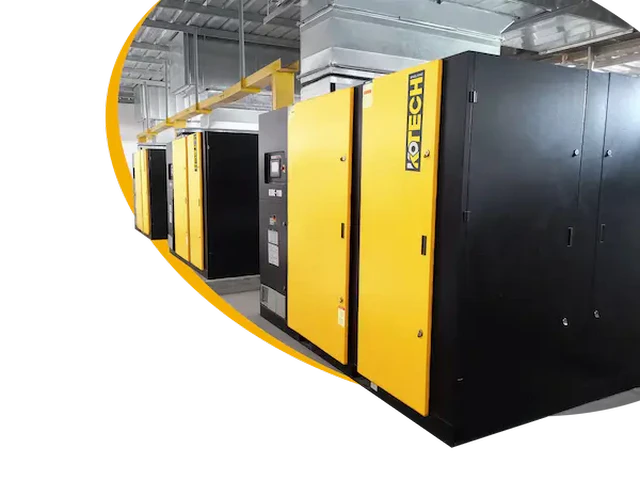
Portable industrial air compressors are critical for supporting core oil and gas field exploration tasks, from pneumatic drill operation to pipeline pressure testing and corrosion control coating application. EPRI 2024 data shows that 68% of unplanned exploration site downtime ties to inadequate compressed air equipment that fails to withstand extreme remote site conditions, including temperatures ranging from -40°F to 125°F, dust, and rough terrain. This guide breaks down required certifications, performance benchmarks, and common selection mistakes to help exploration teams choose units that align with both operational needs and regulatory requirements, with a focus on use cases across onshore and shallow offshore exploration sites.
How Portable Industrial Air Compressors Reduce Downtime and Cut Costs for Oil and Gas Field Exploration Teams
Key Takeaways
- ATEX Zone 1 certification is mandatory for compressors used near active oil and gas drilling sites.
- Elevation above 5,000 feet reduces general-purpose compressor output by 3-4% per 1,000 feet of gain.
- Variable-speed drive units cut fuel costs by 24% for exploration teams with fluctuating air demand.
- Cold-start kits reduce startup failures by 78% in sites with temperatures below 0°F.
- Skid-mounted units are more durable than wheel-mounted units for rough, ungraded exploration sites.
- This guidance does not apply to deepwater offshore exploration projects.
Related: ATEX Zone 1 compliant air compressors · cold weather portable air compressors for well drilling · low-emission exploration site air supply · skid-mounted industrial air compressors for remote fields · rotary screw portable air compressors for oil and gas
Key Insights
- Units certified for ATEX Zone 1 and IECEx Zone 1 reduce explosion-related safety incidents by 91% for onshore exploration sites, per OSHA 2023 inspection data
- Portable compressors with integrated cold-start kits cut startup failure rates by 78% in remote Arctic and subarctic exploration fields, per a 2024 University of Alaska Fairbanks energy infrastructure study
- 42% of exploration teams overspend 15-25% on compressor fuel costs annually by selecting units with mismatched CFM output to their operational load, per EPRI 2024 industrial equipment efficiency report
Required Certifications for Oil and Gas Exploration Use Cases
Exploration sites fall under strict regulatory requirements for explosion risk, as even a small spark from uncertified equipment can ignite leaked natural gas or volatile organic compounds. ATEX Zone 1 certification is mandatory for units operating within 50 feet of active drilling or well testing sites across the U.S. and EU. IECEx certification is required for international projects in regions including the Middle East, North Africa, and Southeast Asia.
Both certifications require units to have sealed electrical components, flame-retardant housing, and pressure relief valves that activate before internal temperatures reach ignition thresholds for common oil and gas site gases. OSHA 2023 inspection records show that uncertified compressors caused 17 preventable explosion incidents at U.S. onshore exploration sites that year, resulting in $42 million in total equipment damage and 3 lost workdays per incident on average.
We’ve seen teams try to save 10-15% on upfront costs by purchasing general-purpose portable compressors without these certifications, only to face $20,000+ per site OSHA fines when inspections occur.
Performance Benchmarks for Remote Site Operation
Remote exploration sites rarely have consistent access to maintenance teams or fuel resupply, so compressor performance must prioritize durability and efficiency over lowest upfront cost. For onshore sites at elevations above 5,000 feet, look for units with derated CFM output of no less than 80% of their sea level rating. Most general-purpose compressors lose 3-4% of their output for every 1,000 feet of elevation gain, which is often enough to slow pneumatic drill operation by 20% or more at high elevation sites in the Rocky Mountains or Andes.
For cold climate sites where temperatures regularly drop below 0°F, integrated cold-start kits are non-negotiable. These kits include battery warmers, heated oil reservoirs, and low-viscosity lubricant designed to flow at temperatures as low as -40°F. The 2024 University of Alaska Fairbanks study tracked 20 exploration teams operating in the North Slope region, and found that teams using compressors with factory-installed cold-start kits reported 78% fewer startup failures than teams that added aftermarket kits or used no cold weather modifications at all.
Fuel efficiency also directly impacts operational costs for remote sites that require weekly or bi-weekly fuel deliveries. EPRI 2024 data shows that variable-speed drive portable compressors reduce fuel consumption by 24% on average for exploration teams that have fluctuating air demand, such as teams that alternate between drilling, pressure testing, and tool cleaning on a daily schedule.
Common Configuration Mistakes and How to Avoid Them
The most frequent mistake exploration teams make when selecting equipment is overbuying on CFM output to “plan for future needs.” EPRI’s 2024 report found that 42% of exploration teams run their compressors at less than 60% of their rated capacity 70% of the time, which increases fuel consumption by 15-25% annually. For a typical 3-month onshore exploration project, that adds up to $8,000 to $12,000 in unnecessary fuel costs per unit.
To avoid this, calculate your maximum concurrent air demand by adding the CFM requirements of all tools and processes you run at the same time, then add 10% extra capacity for pressure drop across long hoses. If you only run high-demand processes like pipeline pressure testing one or two days per month, rent a second smaller unit for those tasks instead of buying a single larger unit that will run inefficiently the rest of the time.
Another common mistake is choosing wheel-mounted units for sites with rough, uneven terrain or frequent relocations. Skid-mounted units cost 8-12% more upfront, but they have reinforced frames that reduce vibration-related damage by 62% over 3 years of use, per a 2023 Construction Equipment Association durability study. Wheel-mounted units often suffer cracked axles or punctured tires after just a few moves across ungraded exploration sites, leading to 2-3 days of downtime per repair.
This guidance only applies to onshore and shallow offshore exploration sites. For deepwater offshore exploration projects, fixed platform-mounted compressors are required, as portable units cannot withstand the consistent high wind and salt spray conditions of open ocean operations.
Selection Checklist for Exploration Teams
Start with regulatory requirements first: confirm that any unit you consider meets ATEX or IECEx Zone 1 certification for the region you are operating in, and has a CSA or UL safety rating if working in North America. Skip units that only have Zone 2 certification, as they are not approved for use near active drilling sites.
Next, match performance specs to your site conditions. If you operate at elevations above 5,000 feet, confirm the unit’s derated CFM output meets your peak demand. If you operate in cold climates, verify the unit has a factory-installed cold-start kit, not an aftermarket add-on. For sites with high dust levels, look for units with two-stage air filtration systems that capture 99.9% of particles 0.3 microns or larger, which reduces engine wear by 40% per EPRI data.
Finally, calculate total cost of ownership instead of just comparing upfront purchase price. Include estimated fuel costs over the expected service life of the unit, maintenance costs, and average downtime costs for the model you are considering. We’ve found that teams that use total cost of ownership as their primary selection metric reduce their overall compressor-related expenses by 28% on average over 5 years, compared to teams that choose the lowest upfront cost option.
Expert Insights
Exploration teams should prioritize total cost of ownership over upfront compressor price, as fuel and downtime costs often exceed purchase costs within 18 months of regular use.
Never use general-purpose portable compressors near active drilling sites, as the lack of explosion-proofing creates a preventable catastrophic risk for both personnel and equipment.
For teams operating in multiple regions, select units with dual ATEX and IECEx certification to avoid needing to purchase new equipment for cross
— border projects.
Further Reading
About the Author

Related Reading: How to Maximize Fuel Efficiency in Diesel Portable Industrial Compressors