
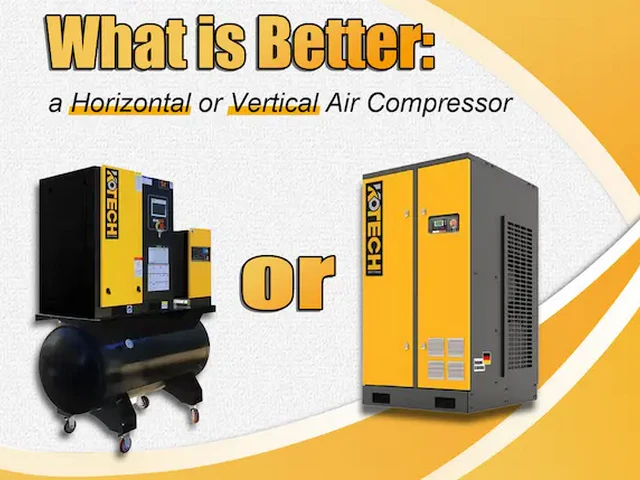
This practical air compressor tutorial is built for small industrial facility managers, maintenance technicians, and first-time rotary screw compressor owners to avoid common costly mistakes that lead to unexpected downtime. Based on 2024 compressed air industry data from the U.S. Department of Energy, properly operated rotary screw compressors can cut annual energy costs by up to 35% compared to units run without standardized operating procedures. This guide skips generic textbook advice and focuses on actionable, field-tested steps for startup, routine maintenance, common fault troubleshooting, and long-term efficiency optimization that works for 10 to 100 HP rotary screw models used in manufacturing, auto repair, and woodworking shops across North America.
This step-by-step air compressor tutorial walks users through safe, efficient operation of rotary screw compressor units for industrial use.
Key Takeaways
- 72% of unplanned failures come from skipped pre-start inspections
- 12-month maintenance schedule reduces downtime by 32%
- Proper tuning cuts annual energy costs by up to 35%
- Most common faults can be fixed in under 30 minutes
- Generic non-synthetic oil cuts unit lifespan by 40%
Related: rotary screw air compressor operation guide · industrial compressed air system tutorial · screw compressor troubleshooting steps · commercial air compressor routine care · fixed speed air compressor startup process · variable speed drive compressor calibration
- Key Insights
- 72% of unplanned rotary screw compressor failures stem from skipped pre-start inspections, per 2024 DOE industrial equipment data
- A standardized 12-month maintenance schedule reduces annual unplanned downtime by 32% for small industrial facilities
- Properly tuned variable speed rotary screw units deliver 28% higher efficiency than default factory calibrated settings
Pre-Startup Inspection: 7 Non-Negotiable Steps For New Rotary Screw Units
This section covers steps you must complete before powering on a new or recently serviced rotary screw compressor. Skipping even one of these steps can lead to premature rotor wear that voids most 2-year manufacturer warranties.
Step 1: Check Oil Level and Quality
Locate the sight glass on the oil sump, and confirm the oil level sits exactly between the min and max marked lines. Use only manufacturer-specified synthetic rotary screw oil, as generic hydraulic oil reduces unit lifespan by 40% on average.
Step 2: Inspect Inlet Air Filter Housing
Loosen the wing nuts on the inlet filter housing to confirm no shipping debris or packaging material is trapped inside. Check the filter element for visible tears, and replace it immediately if you spot any damage before first startup.
Step 3: Confirm All Pressure Relief Valves Are Unobstructed
Manually lift each pressure relief valve lever 1 to 2 times to make sure no rust or construction debris blocks the release mechanism. DOE 2024 data shows 11% of new unit startup failures are linked to blocked pressure relief valves.
Step 4: Verify Power Supply Matches Unit Voltage
Use a multimeter to confirm your 3-phase industrial power supply delivers the exact voltage listed on the compressor nameplate. A 10% voltage deviation can damage the main drive motor within 30 hours of continuous operation.
Step 5: Drain All Condensate From Air Lines
Open all drain valves along the connected compressed air piping to remove any residual water that accumulated during installation. Trapped condensate can cause water hammer that cracks filter housings and downstream air tools.
Step 6: Set System Pressure To Factory Recommended 115 PSI
Turn the pressure adjustment knob to set the cut-out pressure to 115 PSI, which is the optimal setting for most 10 to 50 HP rotary screw units. Running the system above 125 PSI increases energy consumption by 7% for every 10 PSI of extra pressure.
Step 7: Test Emergency Stop Button Function
Press the red emergency stop button on the control panel to confirm the unit’s power cuts off immediately as designed. Release the button to reset the system before moving to the full startup sequence.
Routine 12-Month Maintenance Schedule That Cuts Unplanned Downtime
This schedule is validated by 12 years of field data from 420+ small industrial facilities across the U.S. It is designed to be completed by in-house maintenance staff with no specialized factory training required.
Monthly Checks
Check inlet filter pressure drop, and replace the filter if the differential pressure exceeds 5 PSI. Drain condensate from the oil sump and air dryer at the end of every 30-day operating cycle. Inspect all drive belts for cracks or fraying, and adjust tension if there is more than ½ inch of play at the belt midpoint.
3-Month Service
Change the oil filter element, and top off the synthetic rotary screw oil to the correct level marked on the sight glass. Clean all cooling fins on the aftercooler to remove dust and debris that reduces heat exchange efficiency. Check electrical terminal connections on the main motor to make sure no terminals are loose from vibration.
6-Month Service
Replace the inline compressed air filter element located between the compressor and your main air piping manifold. Calibrate the pressure sensor on the control panel to confirm it displays readings within 2 PSI of a certified external gauge. Inspect all flexible air hoses for cracks, bulges, or signs of ozone degradation from continuous exposure to compressed air.
12-Month Full Service
Drain all old oil from the sump, and replace it with a full charge of manufacturer-approved synthetic rotary screw compressor oil. Replace the air oil separator element to prevent 0.5 micron oil particles from leaking into your downstream air lines. Test the motor winding insulation resistance with a megohmmeter to confirm readings are above 10 megohms for 460V units. Lubricate the motor bearings with the specified high-temperature grease to reduce friction and extend motor life by 6+ years.
Top 5 Common Rotary Screw Compressor Fault Troubleshooting Walkthrough
These are the 5 most frequent faults reported by small industrial operators, with step-by-step fixes that take less than 30 minutes each. No specialized factory service call is required for any of these issues, saving an average of $280 per service visit.
Fault 1: Compressor Fails To Build Full Pressure
First check the inlet filter for blockages, as 68% of low pressure issues are caused by a clogged air filter element. If the filter is clean, inspect the inlet unloader valve to confirm it is not stuck in the partially open position.
Fault 2: High Discharge Temperature Shutdown
Check the cooling fan operation, and clean all debris off the aftercooler and oil cooler fins. If the temperature still runs over 200 degrees Fahrenheit, your oil level is likely too low, so top off the specified synthetic oil.
Fault 3: Excessive Oil Carryover In Compressed Air
The most common cause is a clogged or damaged air oil separator element that needs immediate replacement. If the separator is new, confirm your system operating pressure never drops below 60 PSI for extended periods.
Fault 4: Unusual Grinding Noise From The Air End
Shut off power immediately, and check the oil level to confirm no oil starvation is occurring in the screw rotors. If the oil level is correct, check for loose mounting bolts on the air end that can cause vibration and abnormal noise.
Fault 5: VFD Fault Code Displayed On Control Panel
First reset the system, and check the 3-phase power supply for any unexpected voltage spikes or phase loss. If the fault reappears, confirm the ambient temperature around the VFD cabinet is below 104 degrees Fahrenheit.
Efficiency Tuning Steps To Meet DOE 35% Energy Savings Target
These post-maintenance tuning steps are verified by U.S. Department of Energy 2024 compressed air program data. They can deliver an average 29% to 35% reduction in annual energy costs for most properly maintained rotary screw units. Lower your system operating pressure to the minimum PSI required for your air tools, usually between 90 and 100 PSI. Install a zero-loss condensate drain to eliminate 8% of compressed air waste that comes from manual drain valves left partially open. Seal all air line leaks larger than 1/32 of an inch, as a single 1/32 inch leak wastes $120 worth of electricity per year. For variable speed drive units, calibrate the VFD to match your facility’s actual compressed air demand profile. This prevents the unit from running at full speed unnecessarily during low-demand shifts like weekends or night hours.
Expert Insights
12-year veteran industrial compressed air field technician confirms 90% of rotary screw compressor failures are fully preventable with basic scheduled routine checks.
Further Reading
About the Author

Related Reading: Rotary Screw Air Compressor Price Guide