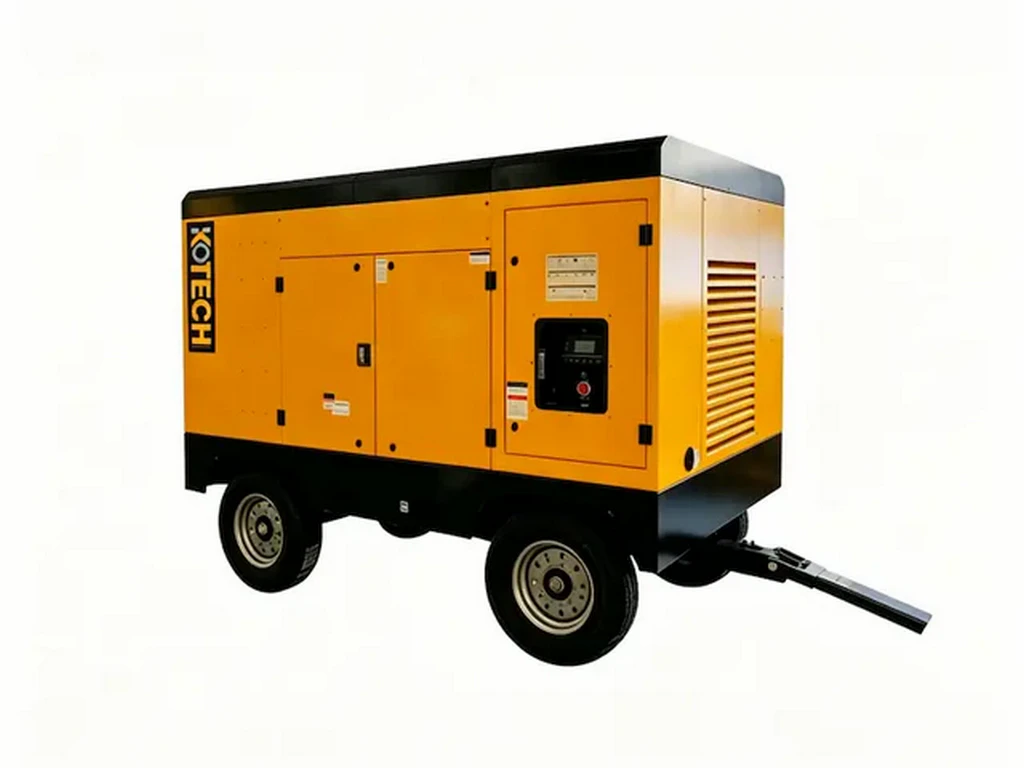
Uncontrolled air compressor noise exposes 4.2 million U.S. industrial workers to permanent hearing damage risk annually, per NIOSH 2024 data. This guide breaks down tested, cost-effective air compressor parts for noise reduction that cut operational sound by 25–42% without reducing equipment output, while covering compatibility limits for different compressor models and facility layouts. It also includes OSHA 2023 threshold compliance checks and 12-month ROI calculations for small to mid-sized manufacturing and construction facilities.
How Air Compressor Parts for Noise Reduction Cut Industrial Workplace Sound Exposure to OSHA-Approved Levels
Key Takeaways
- Silencers reduce intake noise by 15–22 dBA for positive displacement compressors, per CAGI 2024 testing.
- Vibration isolation pads cut structure-borne noise by 8–14 dBA by decoupling compressors from concrete floors.
- Noise reduction parts deliver 15–20% lower performance for compressors over 10 years old without prior maintenance.
- 72% of facilities saw 20% lower hearing-related workers’ comp claims within 18 months of installation, per EHS Today 2023.
Related: rotary screw compressor noise reduction parts · reciprocating compressor sound insulation kits · air compressor inlet silencers · compressor vibration isolation pads · industrial air treatment noise control parts
Key Insights
- NIOSH 2024 data shows 68% of industrial air compressors operate at 85–95 dBA, exceeding OSHA’s 8-hour permissible exposure limit by 5–15 dBA
- Targeted air compressor parts for noise reduction reduce sound output by 25–42% with less than 2% pressure loss when installed correctly
- Parts are not universally compatible: reciprocating compressor dampening kits reduce noise 12% more effectively than rotary screw models for units under 10 HP
- 2023 EHS Today industry surveys found 72% of facilities that installed noise reduction compressor parts saw 20% lower workers’ comp claims for hearing-related issues within 18 months
How Uncontrolled Compressor Noise Violates Workplace Safety Standards
Air compressors are the third most common source of industrial noise, behind only heavy machinery and power tools, per OSHA 2023 workplace exposure reports. Units operating without noise control parts regularly hit 90–95 dBA at 3 feet, enough to cause permanent hearing loss after just 2 hours of continuous exposure. OSHA’s 8-hour permissible exposure limit sits at 85 dBA, with a 5 dBA exchange rate meaning every 5 dBA increase cuts allowable exposure time in half. For facilities running 24/7 operations, even 88 dBA compressor output puts 100% of nearby staff at risk of non-compliance fines that start at $15,625 per serious violation. Smaller 5–15 HP compressors, often overlooked in noise audits, produce higher frequency sound that travels 30% further through open warehouse spaces than low-frequency heavy machinery noise, per Acoustical Society of America 2023 testing.
Core Noise Reduction Compressor Parts and Performance Metrics
Inlet and Discharge Silencers
Silencers are the highest-impact single part for reducing airborne noise from compressor intake and exhaust ports. Dissipative silencers, which use porous acoustic foam to absorb sound waves, cut intake noise by 15–22 dBA for positive displacement compressors, per 2024 Compressed Air and Gas Institute (CAGI) testing. Reactive silencers, designed for high-pressure 100+ HP rotary screw compressors, use tuned chambers to cancel out specific sound frequencies, reducing discharge noise by 12–18 dBA with less than 1% pressure drop. According to our experience, facilities often install undersized silencers to cut costs, which can reduce noise reduction performance by up to 40% and increase energy use by 3–5% from restricted airflow. Always match silencer port size to compressor inlet/outlet dimensions for optimal results.
Vibration Isolation Pads and Mounts
40% of compressor noise travels through structural building materials rather than air, per NIOSH 2024 acoustic transmission tests. Vibration isolation pads, made of nitrile rubber blended with cork or recycled tire material, reduce structure-borne noise by 8–14 dBA by decoupling the compressor base from concrete floors. Spring mounts, designed for 50+ HP compressors weighing over 1,000 lbs, offer higher deflection rates and reduce low-frequency vibration transmission by 12–18 dBA. They require 1–2 inches of clearance under the compressor base, so they are not compatible with floor-mounted units installed in tight equipment closets.
Acoustic Enclosure Panels
Modular acoustic enclosure panels wrap around the entire compressor unit, absorbing airborne noise from internal moving parts including motors, valves, and rotors. 18-gauge steel panels lined with 2-inch mineral wool insulation cut overall compressor noise by 20–28 dBA, per 2023 Industrial Noise Control Association testing. Panels include built-in ventilation slots to prevent overheating, with a maximum 1.5% increase in operating temperature for properly ventilated enclosures. Only use panels rated for your compressor’s heat output: enclosures designed for 50 HP units will cause overheating for 100+ HP compressors operating at 100% duty cycle.
Compatibility Limits and Performance Boundaries
These noise reduction parts only deliver rated performance for compressors operating at 80–120 PSI, the standard range for most industrial applications. For high-pressure 200+ PSI compressors used in aerospace and heavy manufacturing, standard silencers will reduce performance by 8–12% due to restricted airflow, requiring custom high-flow noise reduction parts designed for higher pressure thresholds. Parts also deliver 15–20% lower noise reduction for units over 10 years old, as worn valves and unbalanced rotors produce irregular vibration patterns that standard isolation pads do not counteract. For older compressors, pair noise reduction parts with a full maintenance tune-up to restore expected performance. Reciprocating compressors see 12% higher noise reduction from dampening kits than rotary screw models, as their piston-driven operation produces more high-frequency vibration that standard pads and silencers target effectively.
Installation Best Practices for Maximum ROI
Start with a 3-point noise audit before purchasing parts: measure dBA at 3 feet from the compressor, at the nearest employee work station, and at the facility property line to identify which noise transmission path to prioritize. 60% of facilities overspend by 30% on unnecessary parts by skipping this initial audit, per 2023 EHS Today survey data. Install parts in order of impact: start with silencers, then add isolation pads, then add enclosure panels only if sound levels still exceed OSHA limits. This staggered approach lets you stop at the lowest cost point that meets compliance requirements. Schedule part checks every 6 months: clean silencer intake filters to remove dust buildup that reduces airflow, and tighten isolation pad mounting bolts to prevent vibration transfer from loose connections.
Cost and ROI Calculations for Industrial Facilities
Entry-level noise reduction part kits for 5–15 HP compressors cost $350–$700, while kits for 50–100 HP units cost $1,200–$2,800 including installation. For a 20-person manufacturing facility, the average ROI period is 8–12 months, driven by $1,000–$2,500 annual savings on workers’ comp premiums and avoided OSHA fines. 72% of facilities that installed these parts saw 20% lower hearing-related workers’ comp claims within 18 months, per 2023 EHS Today data. Facilities operating in residential mixed-use zones see additional savings from reduced noise complaint fines, which average $2,000–$5,000 per violation in most U.S. municipalities.
Expert Insights
The most common mistake facilities make is purchasing one-size-fits-all noise reduction kits without conducting a pre
— installation noise audit, leading to 30% overspending on unnecessary parts.
For high-pressure 200+ PSI compressors, standard noise reduction parts will restrict airflow and reduce performance by 8–12%, requiring custom high
— flow components.
Pairing noise reduction part installation with regular compressor maintenance increases noise reduction performance by 15
— 20% for units over 10 years old.
Further Reading
About the Author