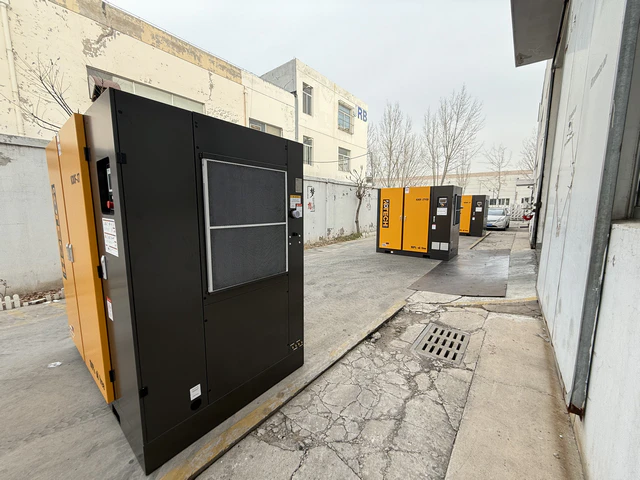
The average cost of diesel air compressor maintenance near you varies significantly by region, service type, and provider, typically ranging from $150 to $350 per hour for labor plus parts.
Deconstructing the Cost: What Drives Diesel Air Compressor Maintenance Bills?
Understanding the average cost of diesel air compressor maintenance services near you requires a granular look at its components. The total bill isn’t just a single number; it’s an amalgamation of several key factors. These include labor rates, the cost of replacement parts, travel fees, and the specific type of service being performed. Each element contributes uniquely to the final expenditure.
Labor rates represent the most variable component. They fluctuate significantly based on geographic location, technician expertise, and the service provider’s overhead. Specialized diagnostic work or complex repairs naturally command higher hourly rates than routine inspections. This variability is a primary driver of cost differences.
Parts expenses are another major factor. Filters (air, oil, fuel), lubricants, belts, and seals are common consumables in scheduled maintenance. More extensive repairs might require expensive components like air ends, motor overhauls, or control panel replacements. The brand and model of your compressor also dictate part availability and pricing.
Travel fees, often overlooked, can add a substantial amount, especially for remote job sites. Many service providers charge a flat trip fee or an hourly rate for travel time. This is particularly relevant when seeking “near me” services, as proximity directly influences these charges. A provider slightly further away might have lower labor but higher travel costs.
The nature of the service itself plays a critical role. A basic 250-hour service, involving fluid and filter changes, is far less expensive than a comprehensive 1000-hour service or an emergency breakdown repair. Preventive maintenance is typically scheduled and predictable, while reactive repairs often incur premium rates due to urgency and unforeseen complexity.
Regional Variations: How Location Impacts Your Maintenance Spending
The “near me” aspect of your search for diesel air compressor maintenance services is paramount when considering costs. Regional economic factors, local labor markets, and competitive landscapes profoundly influence pricing. A service in a high-cost-of-living area will almost invariably be more expensive than in a rural or lower-cost region.
For instance, an analysis of service quotes across major U.S. metropolitan areas reveals significant disparities. In the Northeast (e.g., New York, Boston), average hourly labor rates for skilled compressor technicians can range from $180-$250. This contrasts sharply with the Midwest (e.g., Kansas City, Indianapolis), where rates might be $150-$200 per hour. The West Coast (e.g., Los Angeles, Seattle) often sees rates similar to the Northeast, sometimes even higher.
These regional differences stem from various factors, including local wage standards, commercial real estate costs for service centers, and the density of qualified technicians. Areas with a high demand for industrial equipment services and a limited supply of expertise will naturally command higher prices. Conversely, regions with more competition among service providers might offer more competitive rates.
Beyond hourly rates, the availability and pricing of specific parts can also vary regionally. While major manufacturers have nationwide distribution, local distributors might have different pricing structures or shipping costs. This can subtly impact the total maintenance bill, especially for less common components. Always inquire about local part sourcing options.
When requesting quotes, specifying your exact location helps providers give a more accurate estimate, factoring in travel costs and local pricing standards. It’s advisable to seek quotes from providers within a reasonable service radius to minimize travel-related expenses. A provider 10 miles away versus 50 miles away can mean a substantial difference in total cost.
Preventive vs. Reactive: Optimizing Your Maintenance Budget for Long-Term Savings
A fundamental decision in managing diesel air compressor costs is choosing between a proactive preventive maintenance (PM) strategy and a reactive repair approach. While PM requires consistent upfront investment, it demonstrably leads to significant long-term savings and operational stability. Ignoring PM, conversely, almost guarantees higher overall costs.
Preventive maintenance schedules are typically set by the compressor manufacturer (e.g., every 250, 500, 1000, or 2000 operating hours). These services involve routine inspections, fluid changes, filter replacements, and belt adjustments. The average cost for a standard 250-hour service might range from $400-$800, including labor and basic parts. A more extensive 1000-hour service could cost $1,200-$2,500, depending on the compressor size and specific requirements.
The value proposition of PM is clear: it prevents minor issues from escalating into catastrophic failures. A study published by the Association for Facilities Engineering (AFE) indicated that proactive maintenance programs can reduce emergency breakdowns by 25% to 30%. This directly translates to avoiding expensive emergency service calls, often charged at premium rates, and the high cost of significant component replacements.
Reactive maintenance, on the other hand, only occurs after a failure. This often involves urgent dispatch of technicians, potentially outside of regular business hours, incurring overtime charges. The cost of a major component failure—such as an air end seizure—can easily run into thousands, or even tens of thousands, of dollars. For example, replacing a seized air end on a 185 CFM diesel compressor could cost between $5,000 and $10,000, excluding labor and downtime, which significantly outweighs years of PM costs.
Furthermore, reactive maintenance leads to unpredictable downtime, impacting productivity and project timelines. The indirect costs of lost production, missed deadlines, and potential contractual penalties can far exceed the direct repair bill. Investing in a robust PM schedule ensures operational predictability and extends the lifespan of your valuable equipment, offering a superior return on investment.
Beyond the Hourly Rate: Unpacking Service Package Value
When evaluating “average cost,” it’s crucial to look beyond just the quoted hourly labor rate. Many service providers offer comprehensive maintenance packages that can present better overall value than individual, à la carte services. These packages often bundle routine maintenance tasks, parts, and sometimes even diagnostic checks into a single, predictable price.
A typical preventive maintenance package might include all necessary filters (air, oil, fuel), compressor oil, and labor for a specific service interval (e.g., 500-hour service). While the upfront package price might seem higher than just an hourly rate, it often includes a discount on parts or reduced labor for bundled tasks. For example, a 500-hour service package for a mid-sized diesel compressor might be quoted at $900-$1,500. This could be more cost-effective than paying for each part individually and then a separate hourly rate for labor.
Some advanced service agreements also include features like priority scheduling, remote monitoring, or even fixed-price repairs for certain components. These add-ons provide peace of mind and can significantly reduce the financial impact of unexpected issues. For businesses relying heavily on their compressors, such comprehensive plans offer invaluable operational stability and budget predictability.
When comparing service packages, always request a detailed breakdown of what’s included. Verify the quality of parts (OEM vs. aftermarket), the type of lubricants used, and the specific tasks performed. Ensure the package aligns with your compressor’s manufacturer-recommended maintenance schedule. A seemingly cheaper package might skimp on essential components or service steps, leading to future problems.
Negotiating service contracts, especially for multiple units or long-term commitments, can also unlock further savings. Many providers are willing to offer volume discounts or customized plans that cater to specific operational needs. Don’t hesitate to leverage this opportunity to optimize your maintenance budget and secure consistent, high-quality service.
Making an Informed Decision: Vendor Selection and Quote Analysis
Selecting the right service provider for your diesel air compressor maintenance is as crucial as understanding the costs. An informed decision can lead to significant savings, extended equipment life, and reduced downtime. It involves more than just picking the lowest bidder; it requires a thorough analysis of expertise, reputation, and the value proposition offered.
Start by gathering at least three detailed quotes from local service providers. Ensure each quote specifies the scope of work, itemized costs for labor and parts, travel fees, and any included warranties. Be wary of quotes that are significantly lower than others, as they might indicate hidden costs, inferior parts, or incomplete service. Conversely, excessively high quotes warrant scrutiny for potential overcharging.
Check for certifications and technician qualifications. Reputable providers will employ factory-trained technicians with specific expertise in diesel air compressors. Certifications from major compressor manufacturers (e.g., Atlas Copco, Sullair, Doosan) indicate a high level of competence. Ask about their experience with your specific compressor make and model.
Online reviews and testimonials offer valuable insights into a provider’s reliability, customer service, and responsiveness. Look for consistent feedback regarding timeliness, professionalism, and the effectiveness of their repairs. A company with a strong local reputation is often a safer bet, as they have a vested interest in maintaining customer satisfaction within their community.
Finally, consider the provider’s emergency response capabilities. For critical equipment, having a service partner who can respond quickly to breakdowns is invaluable. Inquire about their typical response times, availability for after-hours service, and whether emergency rates apply. This often overlooked aspect can be a lifesaver when unexpected issues arise, minimizing costly operational interruptions.
The Long-Term Value: ROI of Quality Maintenance
Investing in quality diesel air compressor maintenance is not merely an expense; it’s a strategic investment with a tangible return. Properly maintained compressors operate more efficiently, consuming less fuel and extending the lifespan of costly components. This directly translates to lower operational costs over the equipment’s lifetime.
For example, a well-tuned diesel compressor can achieve up to 10-15% better fuel efficiency compared to a poorly maintained unit. Over thousands of operating hours, this fuel saving alone can offset a significant portion of annual maintenance costs. Furthermore, extending the life of a compressor from 7-10 years to 12-15 years through diligent maintenance defers the capital expenditure of purchasing new equipment.
Reduced downtime is another critical component of ROI. Every hour an industrial compressor is out of service can cost hundreds or even thousands of dollars in lost productivity, project delays, and potential penalties. High-quality maintenance minimizes these disruptions, ensuring continuous operation and maximizing revenue generation. This is particularly true for construction, mining, and manufacturing industries where compressor reliability is paramount.
Choosing a reliable, local service provider who understands the nuances of your equipment and regional operational demands ensures that your maintenance budget is spent wisely. By focusing on value, expertise, and long-term benefits rather than just the lowest initial price, businesses can achieve optimal performance and significant cost savings over the entire lifecycle of their diesel air compressors.
References
Further Reading
About the Author