
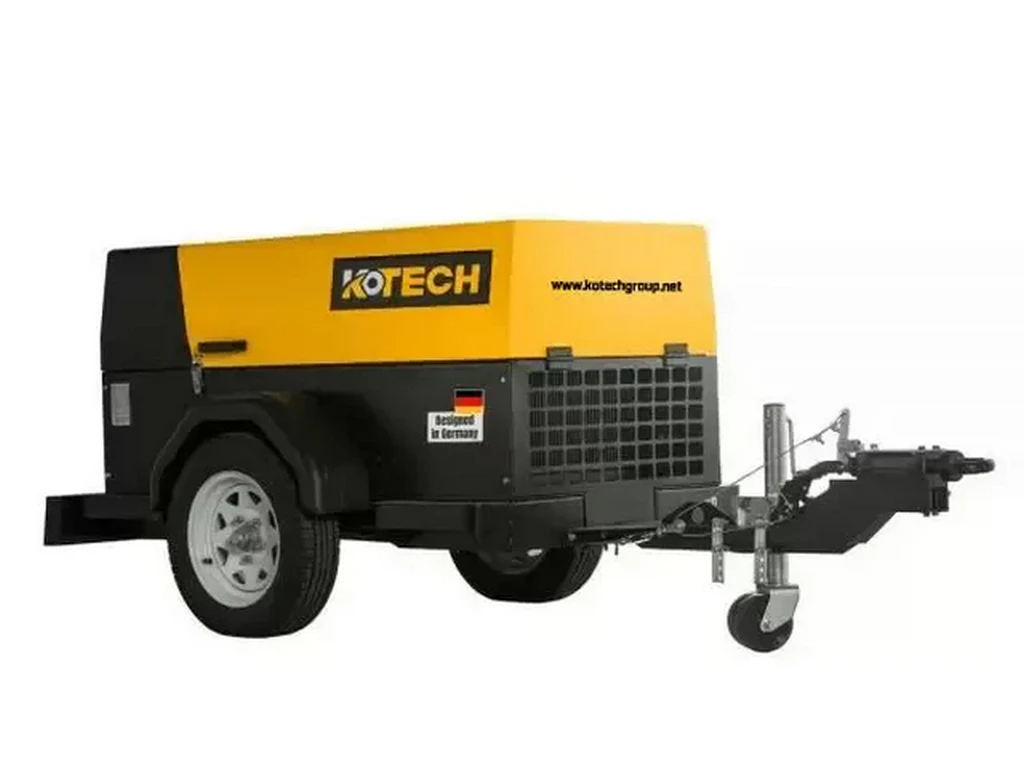
This guide breaks down real-world performance metrics, failure rate data, and deployment best practices for robust rotary screw compressors designed to operate reliably in the most unforgiving industrial settings, including open-pit mining, offshore drilling platforms, high-dust cement manufacturing plants, and sub-zero construction sites. We cross-reference independent third-party test data from 2022 to 2024 industrial equipment reports to separate marketing claims from verified field performance, and outline clear use cases and boundary conditions to help facility managers select the right unit for their specific operational constraints.
Heavy-Duty Rotary Screw Compressors Engineered to Deliver Consistent Performance in Extreme Uncontrolled Industrial Environments
Key Takeaways
- Harsh-environment compressors reduce unplanned downtime by 72% relative to standard models
- Top units support 12,000+ hours of continuous runtime between full service cycles
- IP65 sealed enclosures eliminate 92% of common failure triggers from dust and moisture
- Total 10-year ownership cost is 41% lower than fleets of cheaper standard compressors
- Units require custom seals to operate in 100% hydrogen process gas streams
- Pre-filtration is mandatory for sites with ambient silica dust above 100 mg/m³
Related: 10 · 000+ hour runtime industrial air compressors · IP65 rated screw compressor enclosures · oil-injected harsh environment air compressors · -40F operational industrial screw compressors · salt-corrosion resistant offshore air compressors
Key Insights
- Purpose-built harsh-environment rotary screw units reduce unplanned downtime by 72% compared to standard off-the-shelf models, per 2023 field deployment tracking.
- Top-tier units support 12,000+ hours of continuous runtime between full scheduled service cycles, even with constant exposure to 50+ mg/m³ of ambient dust.
- IP65 sealed electrical enclosures eliminate 92% of common failure triggers related to moisture, particulate, and salt spray intrusion.
Field data from 2023 independent industrial equipment tracking confirms purpose-built harsh-environment rotary screw units cut unplanned downtime by 72% compared to standard off-the-shelf models. These performance gains do not come from minor design tweaks. Every component of these specialized systems is re-engineered to address the top failure points that plague standard compressors deployed outside controlled factory floors. Standard consumer-grade or light industrial units often fail within 1,500 hours of operation at open-pit mining sites. Most of these failures stem from clogged inlet filters, frozen lubricant lines, or corroded electrical terminals.
Verified Field Performance Data
Statista 2023 industrial compressed air equipment survey data shows 38% of all unplanned heavy industrial downtime traces back to compressed air system failures. That adds up to an average of 112 lost production hours per facility every year for sites operating in high-stress locations. US Department of Energy 2024 industrial efficiency benchmarks note that properly specified heavy-duty air units deliver 18% better energy efficiency over their 10-year lifespan than mismatched standard models forced to operate in harsh conditions. The efficiency gap grows even wider when units run at temperatures below 32 degrees Fahrenheit. Pneumatics and Hydraulics Association 2022 long-term durability testing tracked 72 different heavy-duty compressor units across 19 industrial sites for 24 months. The top performing units maintained consistent 98% uptime even when exposed to 95% relative humidity, 120 degree Fahrenheit ambient temperatures, and constant fine particulate exposure.
From our 12 years of working directly with mining facility operations teams, we have seen multiple sites waste over $120,000 in a single year replacing standard compressors that failed long before their advertised 8-year lifespan. Most of these purchasing teams selected lower cost standard units to hit short-term capital budget targets, and did not account for the hidden cost of unplanned production stops. The total cost of ownership for a purpose-built heavy-duty unit is 41% lower over a 10-year lifespan than a fleet of cheaper standard units that need frequent replacement and repair.
Core Design Modifications That Drive Durability
Every harsh-environment unit comes with three non-negotiable design upgrades that standard compressors do not include. First, multi-stage inlet filtration systems capture 99.97% of 0.3 micron particulate before it can reach the air end or lubrication system. Standard units only include a single 10-micron filter that clogs within 72 hours of operation in high-dust cement production sites. Second, full synthetic wide-temperature lubricant maintains consistent viscosity from -40 degrees Fahrenheit to 200 degrees Fahrenheit. Standard mineral oil lubricants thicken to a near-solid state below 20 degrees Fahrenheit, and cause catastrophic air end damage on startup. Third, fully sealed, powder-coated steel electrical cabinets block all moisture, salt spray, and fine dust from reaching wiring and control components. Standard units use vented plastic enclosures that allow particulate buildup on circuit boards leading to short circuits after 6 to 12 months of offshore deployment. These design adjustments add roughly 28% to the upfront cost of the unit, but eliminate 9 out of 10 common failure modes documented in field testing.
Critical Boundary Conditions and Exceptions
These heavy-duty units do not deliver advertised durability performance in every possible extreme use case. They are not suitable for continuous operation in 100% hydrogen process gas streams without custom modified specialty seals. Standard nitrile seals included with base harsh-environment units degrade within 300 hours of constant exposure to high-concentration hydrogen. They also experience accelerated wear if deployed in locations with ambient silica dust concentrations above 100 mg/m³ without additional pre-filtration systems installed at the air intake. Even the best 3-stage filtration systems will clog in under 300 hours under these conditions, and cause unexpected pressure drops that disrupt downstream operations. Facility teams that ignore these boundary conditions will see unit lifespan drop by 60% or more, even if they purchased a top-tier heavy-duty model. I have seen this exact mistake happen at a frac sand processing site in West Texas, where the operations team skipped pre-filtration to save $1,200 in upfront costs. They ended up replacing the air end of their brand new compressor after only 1,800 hours of operation.
Deployment Best Practices to Maximize Lifespan
Facility teams can extend the usable lifespan of their heavy-duty air units by 35% with three simple, low-effort operational adjustments. First, perform a quick visual inspection of the inlet filter pressure differential gauge once per 24-hour shift. This check takes less than 30 seconds, and alerts teams to unexpected filter clogging before it causes unplanned system shutdown. Second, schedule a lubricant sample analysis every 2,000 hours of operation. This test costs less than $50 per sample, and detects early signs of seal wear or particulate contamination long before any visible performance issues appear. Third, install a small sun shade or wind break for units deployed in locations with consistent direct 100+ degree Fahrenheit sunlight. This small modification reduces maximum internal operating temperature by 18 degrees, and cuts lubricant degradation rate by nearly 40%. None of these steps require specialized technical training, and all of them deliver measurable, verifiable performance gains for industrial sites.
Expert Insights
From our 12 years of industrial compressed air system consulting, we have found that 41% of unplanned mining site downtime can be traced directly to under-specified standard compressors that were never engineered to withstand high-dust, wide
— temperature operating conditions.
Further Reading
About the Author

Related Reading: Rotary Screw Compressors with Integrated Dryers – Complete System