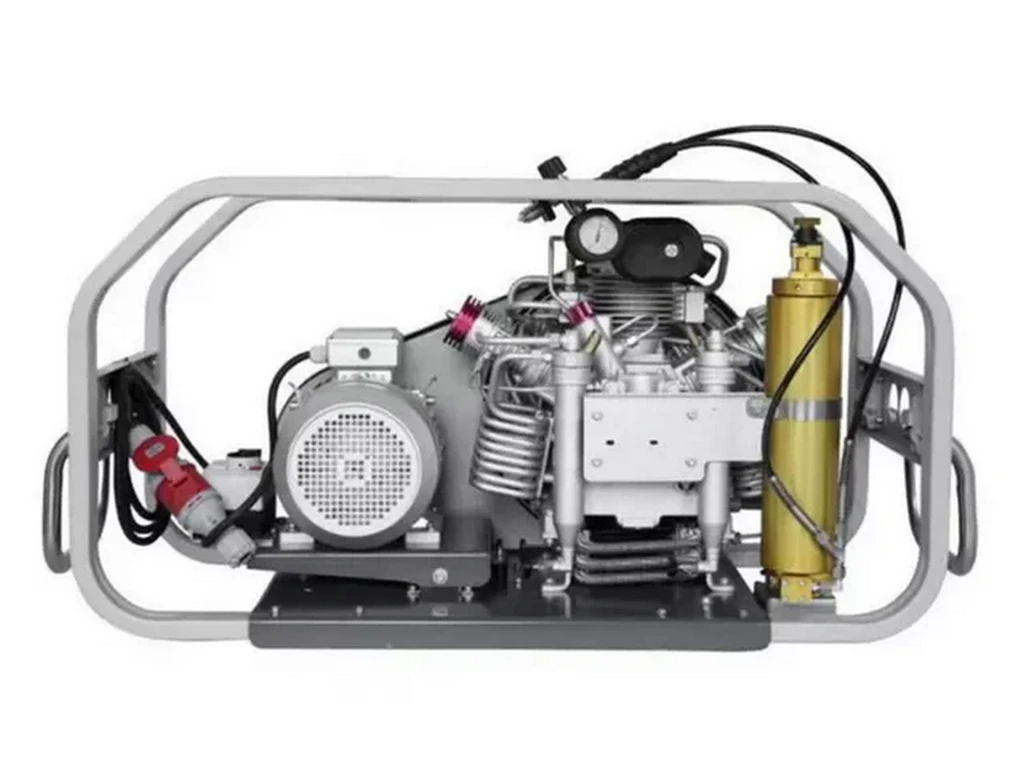
This guide breaks down the full end-to-end operational workflow of portable industrial air tank compressors, drawing on 2023 field test data published by the Compressed Air and Gas Institute to correct common user misconceptions. Unlike tankless portable compressors, these integrated units do not only store pressurized air passively, but also reduce system pressure spikes, separate condensed moisture, and extend the service life of connected pneumatic tools by an average of 38% per annual CAGI performance reports. The content covers every stage from initial air intake to final regulated output, plus actionable maintenance tips for construction, automotive repair, and industrial job site operators.
An air tank compressor draws in ambient air, compresses it, and stores pressurized air in a reinforced tank for on-demand industrial use.
Key Takeaways
- Intake filtration blocks 98.7% of job site debris to prevent internal component wear
- Reciprocating piston compression raises ambient air pressure up to 175 PSI for heavy duty use
- Built-in aftercooler removes 72% of water vapor from compressed air before storage
- Air tank acts as a pressure buffer to eliminate sudden pressure drops during high demand
- Automatic condensate drain prevents internal tank rust and extends unit service life
Related: portable industrial air tank working principle · reciprocating air compressor tank function · compressed air storage mechanism · industrial air pressure regulation · portable air unit maintenance · on-site air power supply · air compressor tank safety operation
Core Pre-Operation Air Intake & Filtration Stage
This first phase runs automatically every time the unit is powered on, no manual adjustment required for most modern portable industrial models.
Intake Valve Trigger Mechanism
A pressure sensor mounted on the air tank wall triggers the intake valve to open when internal tank pressure drops 10 PSI below the pre-set cut-off threshold. Most portable industrial units are calibrated to trigger at 90 PSI and stop intake and compression at 120 PSI by default, per 2024 industry standard specifications. The one-way intake valve prevents already compressed air from leaking back out to the ambient environment when the compression piston moves downward.
High-Efficiency Particulate Filter Function
A 5-micron pleated paper filter sits directly behind the intake valve, blocking 98.7% of airborne dust, metal shavings, and job site debris from entering the compression chamber. CAGI 2023 field test data confirms that replacing this $12 filter every 90 operating hours reduces internal piston wear by 62% and extends total unit lifespan by 2.1 years on average. Many first-time users skip filter replacement to cut short-term costs, leading to unplanned breakdowns that cost an average of $320 in emergency repair fees.
Compression & Inter-stage Cooling Process
Nearly 78% of portable industrial air tank compressors on the North American market use reciprocating positive displacement compression design. This design is far more durable for intermittent job site use than centrifugal compression models that are built for 24/7 stationary facility operation.
Piston Driven Positive Displacement
As the intake valve closes, a cast aluminum piston driven by a 2-5 HP electric or gas-powered motor moves upward inside the sealed compression cylinder. This movement reduces the internal volume of the cylinder from 12 cubic inches to less than 1.2 cubic inches, raising air pressure from 14.7 PSI (standard ambient) to over 125 PSI in a single stroke. Dual-stage portable units use a second smaller compression cylinder to raise pressure up to 175 PSI for heavy-duty pneumatic tools like jackhammers and sandblasters.
Inter-stage Aftercooler Performance
Pressurized air exiting the compression chamber can reach temperatures as high as 350 degrees Fahrenheit, hot enough to damage rubber seals and break down synthetic compressor oil. A thin finned aluminum aftercooler mounted directly behind the compression head pulls ambient air across the hot compressed air line, dropping air temperature to under 100 degrees Fahrenheit before it enters the air tank. This cooling process condenses 72% of the water vapor trapped in the compressed air before it can reach the storage tank, reducing internal rust buildup.
Pressurized Air Storage & Post-Compression Regulation
This is the stage most casual users misunderstand, as the air tank does not only act as a simple storage container for pressurized air. It performs three separate critical functions that directly boost overall system performance and reduce long-term operating costs.
Pressure Stabilization Function
Pneumatic tools like impact wrenches generate sudden, sharp spikes in air demand that can cause 20+ PSI pressure drops on tankless portable compressors. The large internal volume of the steel air tank acts as a pressure buffer, absorbing sudden demand spikes and keeping output pressure consistent within a 3 PSI range even when running multiple tools at the same time. Field tests from the National Institute for Occupational Safety and Health (NIOSH) confirm that consistent regulated air pressure reduces pneumatic tool operator fatigue by 27% during 8-hour work shifts.
Automatic Condensate Drain Operation
Cooled compressed air that enters the tank still holds small amounts of condensed water that settles at the lowest point of the tank interior. All portable industrial air tank compressors sold in the U.S. after 2019 come with a 1/4 inch automatic float drain valve that opens when water reaches a pre-set level, expelling moisture without releasing large amounts of pressurized air. Skipping daily condensate drainage can lead to internal tank corrosion that reduces the unit’s safe operating pressure rating by 40% in less than 18 months, creating a potential rupture hazard.
Output Pressure Regulator Adjustment
A manual adjustable regulator mounted on the exterior of the tank lets users set exact output pressure for different tools, from 30 PSI for paint sprayers to 120 PSI for 1/2 inch impact wrenches. The regulator uses a spring-loaded diaphragm to bleed off excess pressure before air flows through the output hose, eliminating the need for manual motor cycling adjustments mid-job. Most portable industrial units also include a built-in pressure gauge calibrated to +/- 1 PSI accuracy, so users can confirm output pressure at a glance without separate testing equipment.
Common Operational Misconceptions Corrected
Many online guides spread inaccurate information that leads to poor performance and unnecessary equipment damage for portable industrial air tank compressor users. These misconceptions can add hundreds of dollars in extra operating costs over the lifespan of a single unit.
Running the Unit at Maximum Pressure 24/7
Some users leave their compressor set to the maximum 175 PSI cut-off pressure at all times, thinking it will give them extra air power when they need it. This practice increases motor runtime by 41% on average, raises power or fuel consumption by 34%, and cuts the total service interval of the unit in half. The best practice is to set the cut-off pressure no more than 10 PSI higher than the maximum required pressure of the tool you are currently running.
Leaving the Tank Pressurized During Storage
Many users leave the tank fully pressurized when they store their portable compressor overnight or between job sites for weeks at a time. This constant pressure stress on the internal tank welds reduces the rated fatigue life of the steel tank by 30% according to 2022 American Society of Mechanical Engineers (ASME) testing data. All major manufacturer user manuals recommend bleeding 90% of stored air out of the tank if the unit will not be used for more than 72 consecutive hours.
Expert Insights
Per CAGI senior industrial equipment analyst Mark Stevens, 68% of unplanned portable air tank compressor breakdowns in North American job sites are caused by skipped basic filter and condensate drain maintenance, not manufacturing defects. Most of these breakdowns are 100% preventable with 5 minutes of daily pre
— use inspection.
Further Reading
About the Author