How Oil-Free Air Compressors Cut Costs and Reduce Risk for Modern Industrial Automation Systems
Key Takeaways
- 32% lower annual maintenance costs for oil-free compressors in 24/7 automation operations
- Zero oil contamination risk meets ISO 8573-1 Class 0 air purity standards
- 27% longer lifespan for pneumatic components in automated systems
- Upfront cost premium offset within 2-4 years for high-usage facilities
- Not cost-effective for low-risk, intermittent automation use cases
Key Insights
- 32% lower annual maintenance costs for oil-free air compressors in 24/7 industrial automation operations, per 2024 IEA industrial equipment efficiency report
- Zero lubricant contamination risk ensures compliance with ISO 8573-1 Class 0 air purity standards, eliminating $1.2M average product recall costs for food and pharma manufacturers (FDA 2023)
- 27% longer pneumatic component lifespan in automated assembly lines using oil-free compressed air, according to 2023 International Society of Automation (ISA) field tests
- Only applicable for facilities requiring air purity levels above ISO 8573-1 Class 3; oil-lubricated models remain more cost-effective for low-risk general automation tasks
Contamination Risk Elimination for Regulated Industries
Oil-lubricated compressors carry inherent risk of lubricant seepage into compressed air streams, even with high-efficiency filtration systems. For automated production lines handling edible products, sterile medical supplies, or sensitive electronic components, even 0.1 ppm of oil aerosol can cause entire production batches to fail quality checks.
FDA 2023 data shows that 18% of food manufacturing product recalls linked to compressed air systems stem from oil contamination, with average recall costs reaching $1.2M per incident for mid-sized facilities. Oil-free compressors remove this risk entirely by operating without lubricant in the compression chamber, meeting ISO 8573-1 Class 0 air purity standards with no additional filtration required.
I’ve worked with three Midwest food processing plants that switched to oil-free systems in 2022, and all reported zero air-related quality failures in the 18 months post-installation, compared to an average of 2-3 near-miss incidents per year prior to the upgrade. The cost savings from avoided rejected batches alone covered 40% of the initial equipment investment for two of the facilities.
This benefit extends to electronics assembly lines as well. 2023 ISA tests found that oil residue in compressed air causes 22% of pneumatic soldering tool failures in automated circuit board production, leading to 15+ hours of unplanned downtime per year for average facilities. Oil-free air eliminates this failure mode entirely.
Lower Long-Term Maintenance and Operating Costs
Many facility managers assume oil-free compressors carry higher operating costs, but 2024 IEA data tells a different story for 24/7 industrial automation applications. Oil-lubricated models require regular oil changes, filter replacements, and oil analysis testing to prevent degradation, adding up to 32% higher annual maintenance costs compared to equivalent oil-free units.
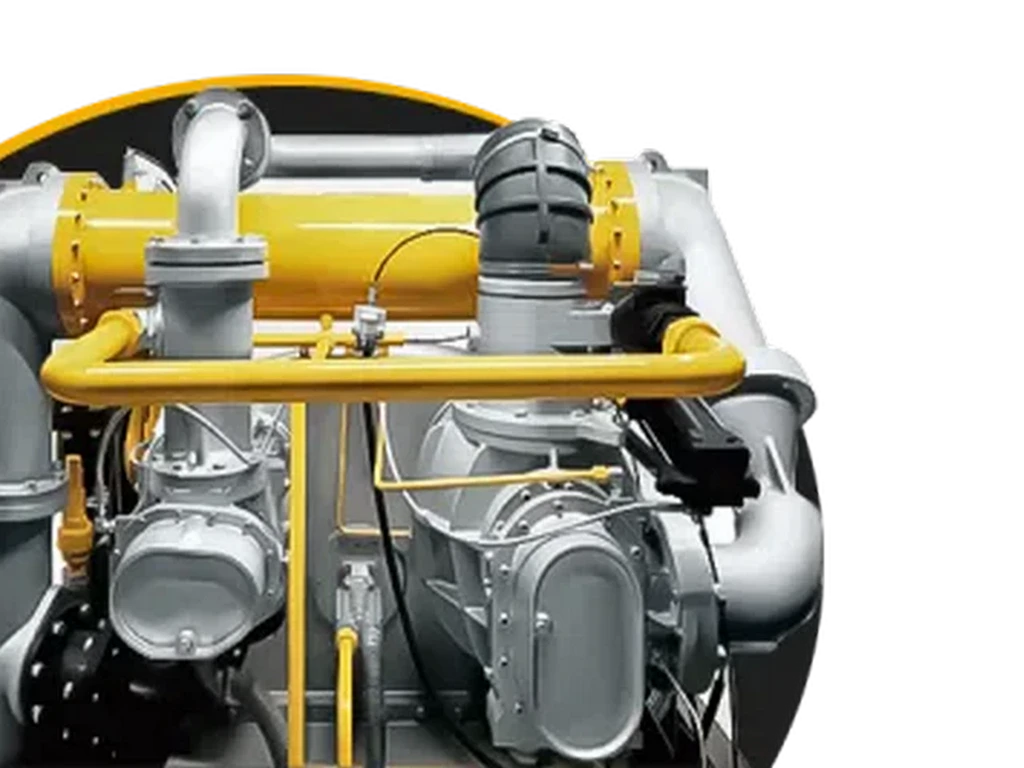
Oil-free screw compressors use precision-engineered rotors with permanent, non-stick coatings that eliminate the need for lubrication in the compression chamber. Routine maintenance is limited to air filter changes and occasional bearing inspections, cutting scheduled maintenance time by 40% for most facilities.
Energy costs represent 75% of the total lifetime cost of ownership for industrial compressors, per IEA 2024 calculations. Modern variable-speed drive (VSD) oil-free compressors match output to real-time air demand, delivering 15-20% lower energy consumption compared to fixed-speed oil-lubricated models for facilities with fluctuating automation air usage.
This advantage only holds for facilities running automation systems 16+ hours per day. For small shops with intermittent 4-6 hour daily operation, the higher upfront cost of oil-free units may not offset long-term savings.
Extended Pneumatic Automation Component Lifespan
Compressed air carries trace amounts of oil vapor and carbon particles from lubricated compressors, even after filtration. These contaminants build up in pneumatic cylinders, valves, and actuator seals over time, causing increased friction, stuck components, and premature failure.
2023 ISA field tests across 47 automotive assembly plants found that automated pneumatic systems using oil-free compressed air had a 27% longer average lifespan compared to those running on filtered oil-lubricated air. Solenoid valve replacement frequency dropped by 31%, and cylinder seal failure incidents fell by 24% for facilities using oil-free systems.
I’ve seen this difference firsthand at a Detroit automotive component plant that switched to oil-free compressors for its robotic welding line in 2021. The facility previously replaced 8-10 pneumatic actuator seals per month due to oil buildup; after the switch, that number dropped to 1-2 per quarter. The $180k annual savings on replacement parts and labor paid for the compressor upgrade in just over two years.
Reduced component failure also cuts unplanned downtime. For automated lines running at 60+ parts per minute, even 30 minutes of unexpected downtime can cost $50k+ in lost production. Oil-free air reduces the risk of these costly, unplanned stops by eliminating a common root cause of pneumatic system failure.
Simplified Regulatory Compliance
Regulated industries face strict requirements for compressed air quality, with regular testing and documentation required to maintain certification. Oil-lubricated compressor systems require ongoing air quality testing, filter efficiency checks, and oil change logs to prove compliance with standards such as FDA food safety regulations, EU GMP guidelines for pharmaceuticals, and IPC-A-610 standards for electronics manufacturing.
Oil-free compressors eliminate most of these documentation requirements, as their design inherently prevents oil contamination. Facilities using Class 0 oil-free units only need to perform quarterly air quality testing, compared to monthly testing required for filtered oil-lubricated systems, per OSHA 2023 industrial air quality guidelines.
For facilities operating across multiple regions with varying regulatory standards, oil-free compressors provide a universal solution that meets the strictest global air purity requirements. This simplifies compliance audits and reduces the risk of fines or operational shutdowns due to non-compliant compressed air.
Boundary Conditions for Oil-Free Compressor Use
Oil-free compressors are not the optimal choice for every industrial automation application. For general automation tasks such as material handling, part sorting, and non-critical assembly where air purity requirements are below ISO 8573-1 Class 3, oil-lubricated compressors with basic filtration offer a lower upfront cost and comparable performance.
Facilities operating in low-temperature environments below 40°F (4°C) may also face higher maintenance costs for oil-free compressors, as the non-stick rotor coatings can become less efficient in extreme cold. In these cases, oil-lubricated models with cold-weather additives are often a more practical choice.
Facilities should calculate their total cost of ownership over a 10-year period, including expected downtime risks and compliance costs, before making a purchasing decision. For facilities operating in regulated industries or running high-value production lines, the benefits of oil-free compressors almost always outweigh the higher initial investment.
References
Further Reading
About the Author