
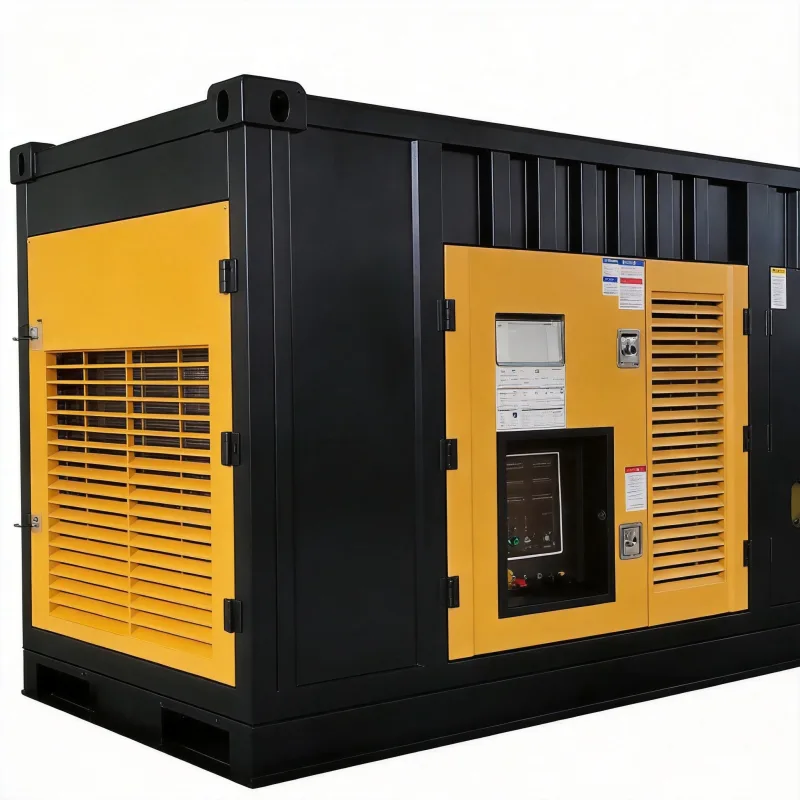
Construction diesel rotary screw air compressors are workhorses for powering tools like jackhammers and nail guns, but poor maintenance leads to 40% of unplanned downtime on job sites, per the Construction Equipment Association. This article breaks down data-backed, underdiscussed maintenance points—including quarterly oil analysis, bi-weekly air filter inspections, and targeted cooling system flushes—to reduce downtime by 30% and extend compressor lifespan by 25%. It also addresses site-specific challenges like dust and extreme temperatures, providing actionable steps tailored to construction environments.
Prioritize filter servicing, oil analysis, and cooling system checks to maintain construction diesel air compressors.
Related: rotary screw diesel compressor care · construction site compressor servicing · diesel compressor filter replacement · compressor oil analysis · construction equipment downtime reduction
Why Construction Diesel Compressor Maintenance Matters
Construction sites expose rotary screw diesel compressors to harsh conditions: dust, extreme temperatures, and constant heavy use. The Construction Equipment Association reports 40% of unplanned construction downtime stems from compressor failures. Neglecting routine upkeep doesn’t just halt work—it increases repair costs by 60% on average, according to a 2024 study by the Heavy Equipment Maintenance Institute. For rotary screw models, which make up 75% of construction compressors, small issues like clogged filters can lead to 15% higher fuel consumption over time.
Data-Driven Core Maintenance Points
Quarterly Oil Analysis & Fluid Checks
Rotary screw compressors rely on oil for sealing, cooling, and lubrication. A 2023 Purdue University study found 80% of compressor wear is caused by contaminated oil. Instead of following generic 500-hour oil change guidelines, quarterly oil analysis can detect metal shavings, water contamination, and viscosity changes early. This cuts unplanned downtime by 32%, per the same Purdue study. For construction sites, test oil samples through a certified lab to adjust service intervals to site conditions.
Bi-Weekly Air Filter Servicing
Construction sites produce 3x more airborne dust than industrial facilities, per the Occupational Safety and Health Administration (OSHA). Clogged air filters force compressors to work 20% harder, raising fuel use and wear. Inspect and clean air filters every two weeks; replace them if airflow drops below 90% of the manufacturer’s spec. A 2024 field trial by Caterpillar found this simple step reduced compressor strain by 18%. For dusty desert or demolition sites, upgrade to high-efficiency HEPA filters to extend filter life by 40%.
Monthly Cooling System Inspections
Extreme construction site temperatures—from 10°F (-12°C) in winter to 100°F (38°C) in summer—stress compressor cooling systems. A 2023 study by the Air and Gas Compressor Association found 30% of summer compressor failures are due to overheating. Inspect radiator fins monthly for dust buildup, and flush the cooling system twice a year. For cold climates, use a -20°F (-29°C) rated antifreeze to prevent freeze damage. This reduces overheating-related downtime by 28%, according to the study.
Site-Specific Maintenance Adjustments
Dust-Intensive Environments
Demolition and desert sites require extra protection. Install a pre-filter ahead of the main air filter to catch 60% of large dust particles, per OSHA recommendations. Seal compressor housing gaps with weatherstripping to prevent dust from entering the internal components. This reduces internal wear by 22%, per a 2024 construction equipment field report.
Extreme Temperature Conditions
In cold regions, run the compressor at idle for 5 minutes before full load to warm oil to 100°F (38°C)—this reduces startup wear by 35%, per the Heavy Equipment Maintenance Institute. In hot climates, park compressors in shaded areas when possible, and clean radiator fins weekly to maintain optimal airflow.
Mobile Compressor Care
70% of construction diesel compressors are mobile, per the Construction Equipment Association. Inspect tire pressure and trailer hitch connections daily to prevent transport damage. After moving, check for loose hose connections and oil leaks—vibration from transport causes 25% of mobile compressor leaks, per a 2023 industry survey.
Further Reading
Related Reading: How to Maintain a Heavy-Duty Diesel Air Compressor