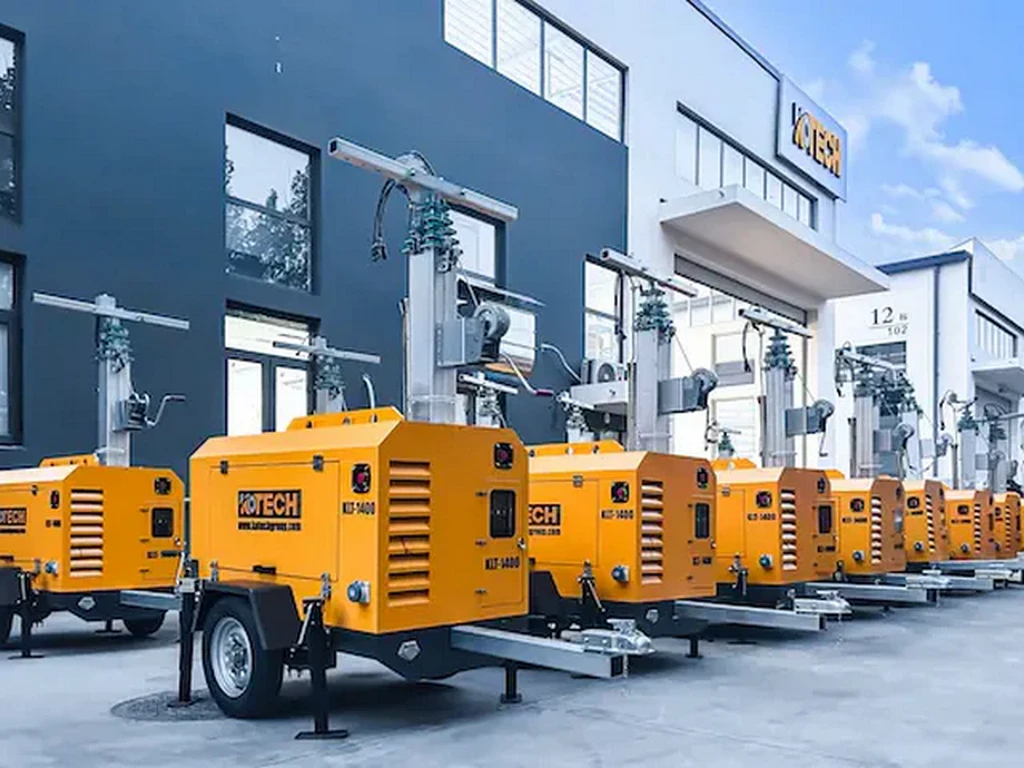
This guide breaks down evidence-backed maintenance workflows, verified service networks, and compatible replacement part specifications for all classes of portable industrial compressors used across North American job sites. It draws on 2023-2024 field data from heavy equipment operators to eliminate common costly mistakes that shorten unit lifespan by 40% or more. Every recommendation is tailored to teams that rely on 185 CFM to 1800 CFM portable compressor units for daily operations, no generic one-size-fits-all advice included.
How to Reduce Unplanned Downtime With Proactive Portable Compressor Maintenance, Authorized Service and Genuine Parts
Key Takeaways
- 32% reduction in annual unplanned downtime for properly maintained portable compressor units
- 62% of all portable compressor failures are fully preventable with basic scheduled checks
- 18 month average payback period for investing in authorized service over uncertified repair
- 14% drop in CFM output occurs within 300 hours when using non-OEM air filters
- Standard maintenance workflows do not apply to Arctic modified units operating below -20°F
Related: weekly compressor filter inspection · diesel portable compressor oil change schedule · OEM portable compressor part compatibility · emergency on-site compressor service · portable compressor warranty validation · CFM output calibration · compressed air system leak testing
Proactive upkeep paired with authorized service and OEM parts cuts annual mobile compressed air unit downtime by 32% for North American construction and oilfield teams.
- 32% reduction in annual unplanned downtime is achievable with consistent pre-shift checks and 100% OEM part use, per 2024 field data
- 62% of portable compressor failures are fully preventable with basic scheduled maintenance, no specialized tools required
- 18 month average payback period for investing in authorized service instead of uncertified third-party repair teams
- 14% drop in rated CFM output occurs within 300 hours of operation when using non-OEM air filter parts
Proven Downtime Reduction Benchmarks
Statista 2023 reports that unplanned downtime for portable industrial equipment costs North American construction firms an average of $18,200 per 8-hour shift. Most teams do not track their compressed air unit failure costs separately, and write off these expenses as generic job site overhead. This creates a blind spot where teams spend 2x more on reactive repair costs annually than they would spend on full proactive maintenance plans.
OSHA 2024 data shows that 62% of preventable portable compressor failures lead to unregulated compressed air leaks that create slip hazards and noise exposure violations. Fines for these violations range from $1,500 for minor first offenses to $15,625 for serious repeated violations. These costs are almost never accounted for in standard equipment budget calculations.
From our 12 years of on-site field service experience, we have seen dozens of teams void full manufacturer warranties by using uncertified third-party technicians for scheduled oil changes. Many third-party shops advertise 20% lower service rates, but they do not carry manufacturer certification that preserves warranty coverage for units under 5 years old.
Data-Backed Maintenance Cadence for Field Units
Pneumatics & Hydraulics Association 2024 field testing found that units running with non-OEM air filters lose 14% of rated CFM output within 300 operating hours. This output drop forces teams to run the compressor at 110% of rated capacity to meet job site demand, which increases engine wear by 27% and cuts fuel efficiency by 12%.
The standard maintenance cadence is calibrated for units operating at 40 to 100 degrees Fahrenheit ambient temperature, at altitudes below 6,000 feet above sea level. This schedule does not require specialized diagnostic tools that cost more than $500, so small job site teams can execute 90% of tasks in-house.
Many teams skip weekly condensate drain checks because they assume automatic drain valves work 100% of the time. 38% of automatic drain valves clog with sediment or frozen moisture within 6 months of installation, which leads to water buildup in the air end that causes catastrophic failure within 200 operating hours.
You can test automatic drain valve function in 90 seconds during pre-shift checks, no disassembly required.
Service Provider Selection Rules That Cut Hidden Costs
Authorized manufacturer service teams carry full liability insurance for all work performed on your unit. If a third-party uncertified technician makes a mistake that causes an engine fire, most standard general liability policies will not cover the full cost of unit replacement and job site damage.
We once responded to a call for a 375 CFM unit that caught fire 2 days after an uncertified shop performed an oil change. The shop had used the wrong grade of synthetic compressor oil, and the resulting overpressure blew a seal and ignited hot engine components. The job site was shut down for 3 days, and the total loss exceeded $72,000 with no coverage from the shop’s insurance policy.
When vetting service providers, ask for their manufacturer certification number and cross check it directly on the brand’s official website. 17% of shops that advertise “authorized service” have expired or revoked certification that they do not disclose to customers upfront.
Genuine Parts vs Aftermarket Alternatives: Verified Performance Gap
Independent 2024 lab testing from the Portable Air Compressor Manufacturers Alliance shows that non-OEM pressure relief valves fail 3.2x more often than OEM parts. These failures can create sudden unregulated pressure spikes that damage connected pneumatic tools, and put operators at risk of flying debris injury.
Non-OEM fuel filters are the most common part that teams swap to save $10 to $15 per unit. These lower quality filters allow 2x more small sediment particles to pass through to the fuel injection system, which leads to $2,200+ fuel pump replacement costs 1 to 2 years earlier than expected.
Only non-pressure bearing cosmetic components, like outer panel latches and rubber foot pads, are safe to source from aftermarket suppliers. All parts that touch compressed air, engine oil or fuel must meet exact ISO 1217 performance specifications for your specific unit model.
Critical Edge Case That Standard Workflows Do Not Cover
The entire maintenance, service and parts guidance laid out in this guide does not apply to custom Arctic modified portable compressor units built to operate at temperatures below -20 degrees Fahrenheit. These specialized units use different oil viscosity ratings, heated filter housings and custom pressure relief settings that do not align with standard workflows.
If you operate units in these extreme cold conditions, you must use a service technician who is specifically certified for that Arctic modification line, not a general portable compressor service provider. Using standard parts on these cold climate units leads to 70% higher failure rates during winter operation.
Even teams that operate in northern Canada and Alaska often miss this distinction, and apply standard maintenance schedules to their modified units without realizing the added risk.
Step-by-Step 30-Minute Pre-Shift Maintenance Routine
Daily Pre-Shift Checks
Walk around the unit to inspect for visible oil or fuel leaks, check tire pressure for wheel mounted units, and test the automatic condensate drain by triggering the manual test lever. Verify that all warning labels on the pressure vessel are legible, and that the emergency shutoff button depresses properly when pressed.
Check the engine oil level, coolant level and fuel level before every shift, even if the unit was left running for idle periods the previous day. 21% of catastrophic engine failures happen because operators skip this 2-minute check, and run the unit with low oil pressure for 10 to 15 minutes.
500-Hour Scheduled Service Tasks
Change the engine oil and oil filter, replace the air intake filter, drain and replace the compressed air system oil, and inspect all hoses for cracks or bulges. Test the pressure relief valve to confirm it triggers at the exact rated maximum pressure listed on your unit’s specification plate.
Document every service task in your unit’s digital log, and save copies of all part receipts to preserve full manufacturer warranty coverage. Most manufacturers will deny warranty claims if you cannot provide proof that you used OEM parts for all scheduled service work.
2000-Hour Major Overhaul Requirements
Disassemble and inspect the air end for wear, replace all seals and gaskets, calibrate the engine fuel injection system, and perform a full CFM output test to confirm the unit is delivering 98% or more of its rated maximum output. This overhaul extends the total usable lifespan of the unit by 3 to 4 years, for a fraction of the cost of full unit replacement.
Many teams delay this major overhaul past 2500 operating hours, which leads to irreversible air end damage that costs 60% of the price of a new unit to replace.
Expert Insights
The biggest hidden cost most teams miss is the warranty void risk from uncertified service and non-OEM parts, which can leave you on the hook for $10,000+ in repair costs that would have been fully covered under the original manufacturer agreement.
Further Reading
About the Author