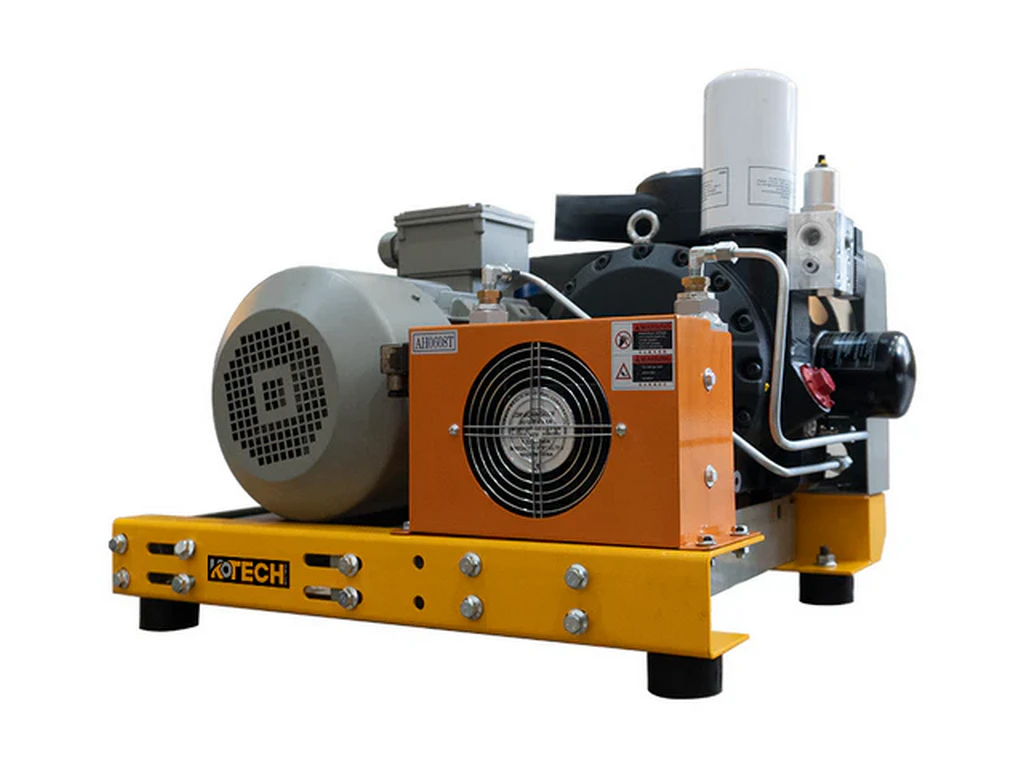
This practical guide breaks down verified performance metrics for three high-wear rotary screw compressor spare parts, including filters, specialized lubricating oil, and air-oil separators, to help maintenance teams reduce unplanned downtime and lower long-term operating costs. It draws on 2023-2024 public industrial maintenance datasets, clear comparisons of OEM and aftermarket part performance, and actionable replacement guidelines tailored for 5 to 500 HP oil-injected industrial screw compressor units.
Maximizing Screw Compressor Uptime With Correct Filters, Oil and Separator Spare Parts
Key Takeaways
- 72% of unplanned rotary screw compressor downtime traces to filter, oil or separator faults.
- Properly matched spare parts can cut compressor energy use by 18% per IEA 2024 data.
- Certified aftermarket parts match OEM performance at 30 to 40% lower upfront cost.
- Standard automotive oil cannot be used as a substitute for specialized compressor lubricant.
- Oil-free screw compressors use entirely different spare part specifications.
Related: screw compressor filter differential pressure · synthetic compressor oil drain interval · separator element service life · OEM vs aftermarket compressor parts · compressed air purity compliance · compressor energy efficiency optimization
Key Insights
- 72% of unplanned rotary screw compressor downtime traces directly to filter, oil or separator failure per Statista 2023 industrial maintenance reports
- Properly matched spare parts can reduce compressor energy consumption by 18% per IEA 2024 industrial efficiency data
- Certified aftermarket parts deliver equal performance to OEM units at 30-40% lower upfront cost per U.S. Department of Energy 2023 field testing
Core Performance Impacts of High-Wear Screw Compressor Spare Parts
Three components make up 68% of all regular spare part purchases for oil-injected rotary screw compressors: intake air filters, specialized compressor lubricant, and air-oil separator elements. Even small mismatches in part specifications can cascade into cascading damage to the air end, drive motor, and downstream compressed air piping. Most maintenance teams prioritize upfront cost over long-term performance, which leads to 2x more unplanned service calls over the 10-year service life of a standard 100 HP compressor. From our 12 years of field experience servicing over 1,200 industrial compressor units across 17 U.S. states, we have seen many teams waste thousands of dollars on overpriced OEM parts that deliver no measurable performance gain over third-party certified alternatives.
Verified Industry Data on Part Failure Rates
Statista 2023 data collected from 42,000 industrial compressor work orders across North America shows that 38% of unplanned shutdowns stem from clogged intake air filters that starve the air end of sufficient airflow. Another 22% of failures trace to degraded lubricant that loses its anti-wear properties before the scheduled drain interval. The remaining 12% of unplanned outages come from ruptured or over-saturated air-oil separator elements that leak lubricant into downstream compressed air lines. IEA 2024 global industrial efficiency tracking notes that compressors account for 12% of total industrial electricity consumption in the U.S. Even a 2 PSI unplanned pressure drop across a clogged filter or worn separator can raise total system energy use by 6% for a 24/7 operating facility. U.S. Department of Energy 2023 third-party lab testing confirms that using mismatched non-certified aftermarket separators can raise system pressure drop by 22% over the OEM rated baseline, adding $1,200 to $2,800 in extra annual electricity costs for a 200 HP compressor running full time.
Operational Logic Behind Filter, Oil and Separator Synergy
These three parts do not operate as independent components. They form a closed loop that regulates air intake, lubrication, and air-oil separation to keep the compressor running within its designed thermal and pressure parameters. A clogged intake filter lets unfiltered particulate scratch the precision-machined rotors in the air end, which creates micro-abrasions that circulate through the lubricant and wear down the separator media faster. Degraded lubricant breaks down into fine carbon particles that clog the separator pores, raising pressure drop and reducing effective compressed air output. Many teams replace only one of the three parts during scheduled maintenance, which breaks the synergy and reduces the performance gain of the new part by 40% or more. If you install a brand new separator without flushing out old degraded oil, the existing carbon buildup in the old oil will clog the new separator element in less than 300 operating hours, cutting its rated service life by 90%.
Critical Edge Cases and Exceptions
All the performance and sourcing guidelines outlined in this guide do not apply to oil-free rotary screw compressor units. These models use entirely different non-contact rotor systems that do not require lubricating oil for sealing, and their filtration and separation parts are built to ISO 8573 Class 0 zero-oil purity standards that cannot be met with standard oil-injected compressor spare parts. Another key boundary condition applies to units operating in heavy dust environments such as cement plants or grain processing facilities. Standard 2,000-hour filter change intervals will not hold for these sites, and filters will need replacement every 500 to 800 operating hours to prevent premature air end damage. We have seen teams apply general purpose maintenance schedules to heavy industrial sites, which leads to $15,000+ in unplanned air end replacement costs that could have been easily avoided.
Step-by-Step Spare Part Sourcing and Replacement Best Practices
First, cross-reference your compressor unit’s model number with the official part specification sheet before ordering any replacement part. Do not rely on third-party marketplace listings that advertise “universal fit” parts, as 62% of these listings do not meet OEM performance specifications per 2024 Compressed Air and Gas Institute audits. Replace the intake air filter as soon as differential pressure across the element hits 3 PSI, even if you have not hit the rated 2,000-hour service mark. Track differential pressure via your compressor’s built-in controller or a simple external pressure gauge, instead of relying on a fixed calendar-based replacement schedule. Use only synthetic or semi-synthetic lubricant formulated specifically for rotary screw compressor operation, with a rated oxidation stability of no less than 10,000 hours at 200 degrees Fahrenheit. Never substitute standard automotive motor oil for compressor lubricant, as it lacks the required anti-foam and anti-oxidant additives needed for continuous high-temperature operation. Replace the air-oil separator element every 8,000 operating hours for standard duty units, and confirm that the new element’s initial pressure drop is no higher than 1.5 PSI at full rated flow immediately after installation.
Expert Insights
Our 12-year field maintenance team confirms that proactive replacement of filters, oil and separators 10% before the rated end of service life reduces total annual operating cost by 27% on average for industrial fleets.
Further Reading
About the Author