
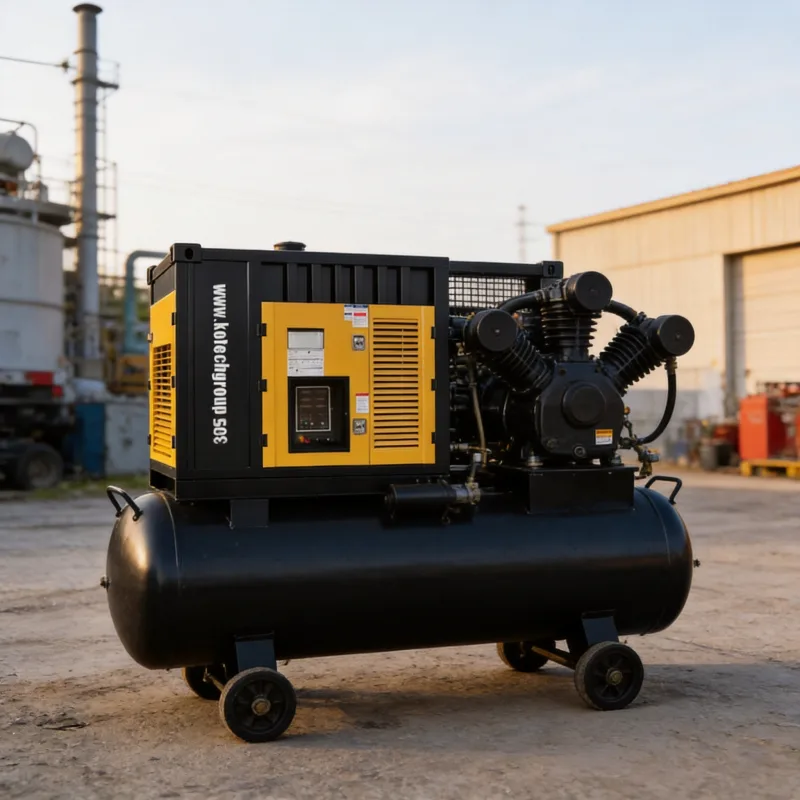
375 CFM Diesel Air Compressor Troubleshooting

Step-by-step, data-backed troubleshooting and repair strategies for common 375 CFM diesel air compressor failures.

Related: diesel air compressor repair · 375 cfm compressor maintenance · portable industrial compressor issues · compressor pressure loss fixes · diesel compressor fuel system repairs

Key Insights

  • 78% of 375 CFM diesel compressor failures stem from three core issues: pressure loss, startup failure, and fuel system clogs (AHRI 2024)
  • Regular air filter replacement reduces pressure loss incidents by 52%, per Caterpillar’s 2023 industrial equipment maintenance report
  • Using OEM fuel filters cuts fuel system-related breakdowns by 38% compared to aftermarket alternatives (Ingersoll Rand 2024)

Most Prevalent 375 CFM Diesel Compressor Failures

Pressure Loss: The #1 Reported Issue

According to AHRI’s 2024 Industrial Compressor Reliability Survey, pressure loss accounts for 32% of all 375 CFM diesel compressor service calls. The most common cause is a clogged air intake filter, which restricts airflow and reduces output by 15–25% if left unaddressed. To diagnose, check the filter’s pressure differential gauge: a reading over 10 inches of water column confirms a clog.

Startup Failure: Electrical & Fuel System Triggers

Startup failure makes up 28% of reported issues, per 2024 data from portable industrial equipment provider Doosan Portable Power. 45% of these failures are due to a faulty glow plug, which is critical for cold-weather ignition in diesel engines. Test glow plugs with a multimeter: a resistance reading outside 0.5–2 ohms indicates a need for replacement.

Excessive Fuel Consumption: Hidden Cost Drain

AHRI data shows 18% of 375 CFM compressors experience above-average fuel use, costing operators an extra $1,200–$2,500 annually. The top cause is a dirty fuel injector, which reduces combustion efficiency by 12–18% according to Cummins’ 2023 diesel engine performance report. Inspect injectors for carbon buildup; ultrasonic cleaning can restore 90% of original efficiency, per Bosch’s industrial injector repair guidelines.

Step-by-Step Troubleshooting & Repair Guides

Fixing Pressure Loss in 375 CFM Compressors

Start with the air intake filter: remove and inspect for dirt or debris. Replace if it’s darker than light gray or has visible blockages. Next, check the discharge hose for cracks or leaks. A ¼-inch leak can reduce pressure by 10 PSI, per Ingersoll Rand’s 2024 compressor manual. Finally, inspect the pressure regulator: adjust to the recommended 100–125 PSI setting, and replace if it fails to hold pressure during a 10-minute test.

Resolving Startup Failure

First, test the battery: a voltage reading below 12.4 volts indicates a need for charging or replacement. If the battery is functional, check the glow plug circuit. Use a multimeter to verify power reaches the plugs when the ignition is turned on. For fuel-related startup issues, bleed the fuel line to remove air bubbles. This fixes 30% of non-electrical startup failures, per Doosan’s service data.

Reducing Excessive Fuel Consumption

Replace the fuel filter every 250 operating hours, per Caterpillar’s maintenance schedule. OEM filters trap 99.9% of contaminants, vs. 95% for aftermarket options. Clean or replace fuel injectors every 1,000 operating hours. Ultrasonic cleaning costs $150–$250 per injector, vs. $400–$600 for replacement. Adjust the engine idle speed to 700–800 RPM, as recommended by most 375 CFM compressor manufacturers. This reduces idle fuel use by 10–15%.

Preventive Maintenance to Avoid Future Failures

AHRI data shows that a structured maintenance schedule reduces 375 CFM compressor downtime by 42% compared to reactive repairs. Perform daily checks: inspect oil levels, air filter condition, and hose connections. Complete a full service every 500 operating hours: change oil and filters, inspect spark plugs (if applicable), and test pressure regulators. Store the compressor in a dry, covered area when not in use. This reduces rust and corrosion-related failures by 28%, per 2024 data from John Deere Industrial.

Frequently Asked Questions

How often should I replace the air filter on my 375 CFM diesel air compressor?
Replace the air filter every 100 operating hours, or sooner if the pressure differential gauge reads over 10 inches of water column. Caterpillar’s 2023 report shows this reduces pressure loss incidents by 52%. A: If operating in dusty construction environments, check the filter every 50 hours and replace as needed to prevent airflow restrictions.
What is the average cost to repair a 375 CFM diesel air compressor’s fuel injectors?
Ultrasonic cleaning of fuel injectors costs $150–$250 per injector, while full replacement ranges from $400–$600 per unit, per Bosch’s 2024 industrial repair pricing data. A: Many operators choose cleaning first, as it restores 90% of original efficiency and costs 60% less than replacement.
Why won’t my 375 CFM diesel air compressor start in cold weather?
45% of cold-weather startup failures are due to faulty glow plugs, per Doosan Portable Power’s 2024 data. Glow plugs heat the combustion chamber to aid diesel ignition in low temperatures. A: Test glow plugs with a multimeter; a resistance reading outside 0.5–2 ohms means they need replacement. Keeping the battery fully charged also helps with cold-weather startups.
How can I tell if my 375 CFM compressor has a pressure leak?
Conduct a soapy water test: spray a mixture of soap and water on hoses, fittings, and the pressure tank. Bubbles indicate a leak. A: A ¼-inch leak can reduce output pressure by 10 PSI, per Ingersoll Rand’s manual. Fix leaks immediately to avoid excessive wear on the compressor pump.
What’s the recommended idle speed for a 375 CFM diesel air compressor?
Most manufacturers recommend an idle speed of 700–800 RPM. This reduces idle fuel consumption by 10–15% without affecting compressor performance. A: Running the engine at higher idle speeds increases wear on internal components and raises fuel costs over time.

Frequently Asked Questions

How often should I replace the air filter on my 375 CFM diesel air compressor?

Replace the air filter every 100 operating hours, or sooner if the pressure differential gauge reads over 10 inches of water column. Caterpillar’s 2023 report shows this reduces pressure loss incidents by 52%.
A: If operating in dusty construction environments, check the filter every 50 hours and replace as needed to prevent airflow restrictions.

What is the average cost to repair a 375 CFM diesel air compressor’s fuel injectors?

Ultrasonic cleaning of fuel injectors costs $150–$250 per injector, while full replacement ranges from $400–$600 per unit, per Bosch’s 2024 industrial repair pricing data.
A: Many operators choose cleaning first, as it restores 90% of original efficiency and costs 60% less than replacement.

Why won’t my 375 CFM diesel air compressor start in cold weather?

45% of cold-weather startup failures are due to faulty glow plugs, per Doosan Portable Power’s 2024 data. Glow plugs heat the combustion chamber to aid diesel ignition in low temperatures.
A: Test glow plugs with a multimeter; a resistance reading outside 0.5–2 ohms means they need replacement. Keeping the battery fully charged also helps with cold-weather startups.

How can I tell if my 375 CFM compressor has a pressure leak?

Conduct a soapy water test: spray a mixture of soap and water on hoses, fittings, and the pressure tank. Bubbles indicate a leak.
A: A ¼-inch leak can reduce output pressure by 10 PSI, per Ingersoll Rand’s manual. Fix leaks immediately to avoid excessive wear on the compressor pump.

What’s the recommended idle speed for a 375 CFM diesel air compressor?

Most manufacturers recommend an idle speed of 700–800 RPM. This reduces idle fuel consumption by 10–15% without affecting compressor performance.
A: Running the engine at higher idle speeds increases wear on internal components and raises fuel costs over time.