



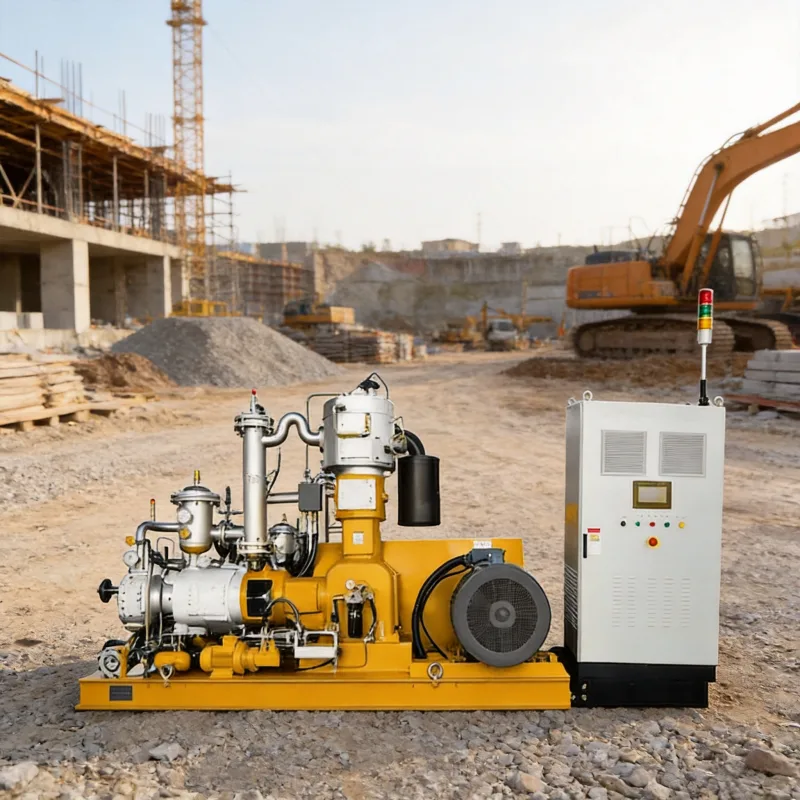
Industrial diesel air compressor prices for construction sites range from $3,200 to $75,000, with regional US variations.
Key Price Ranges by Compressor Size & Power
Portable Light-Duty (15–50 CFM)
For small residential or minor commercial construction tasks, light-duty portable units start at $3,200. According to 2024 CIEA data, the average price sits at $4,800, with top brands like Ingersoll Rand charging $5,500. These models work well for nail guns, small sprayers, and pneumatic tool maintenance.
Portable Mid-Duty (51–150 CFM)
Mid-duty compressors, ideal for framing, roofing, and concrete finishing, range from $8,500 to $22,000. The CIEA reports a national average of $14,200, with Caterpillar models commanding a 15% premium for durability. Units with dual fuel options cost an extra $2,100 on average, a popular upgrade for remote jobsites.
Portable Heavy-Duty (151–500+ CFM)
Heavy-duty units for road construction, bridge work, and large-scale commercial builds start at $25,000. The 2024 average price hits $48,000, with high-output models from Atlas Copco reaching $75,000. CIEA data shows these units hold 62% of their resale value after 5 years, making them a strong long-term investment.
Regional US Pricing Variations
Construction site compressor prices shift significantly across US states, driven by emissions rules and demand. California has the highest average prices, at 12% above the national mean, due to strict CARB emissions standards. Diesel models here require specialized exhaust systems, adding $3,000–$5,000 to the base cost.
Texas and Florida follow, with 8% and 6% above-average prices respectively, fueled by booming commercial construction. Rural states like Iowa and Missouri offer the lowest prices, averaging 7% below the national benchmark. This gap stems from lower demand and fewer regulatory requirements for off-road equipment.
Rental vs. Purchase: Cost-Benefit Analysis
Rental Costs for Short-Term Projects
For projects under 6 months, rental is often the cheaper option. CIEA data shows weekly rates start at $180 for light-duty units. Mid-duty rentals average $350 per week, while heavy-duty models cost $800–$1,200 weekly, plus delivery fees. Rental includes maintenance and repairs, eliminating unexpected service costs for temporary jobs.
Purchase ROI for Long-Term Use
For contractors working 10+ months annually, purchase delivers a positive ROI in 2.3 years on average, per CIEA calculations. Owners can save up to 18% annually on operational costs by performing in-house maintenance and avoiding rental markup. Resale value also offsets initial costs, with heavy-duty units retaining 55% of their price after 7 years.
Hidden Costs to Budget For
Many contractors overlook ongoing expenses that add 20–30% to the total cost of ownership. Fuel costs top the list: a 100 CFM compressor uses 1.5 gallons of diesel per hour, totaling $12,600 annually for 2,000 hours of use. Maintenance, including oil changes and filter replacements, adds $1,800–$3,200 per year for mid-duty units.
Emissions compliance is another hidden cost in regulated states. California contractors must pay $450 annually for emissions testing. Extended warranties cost 10–15% of the unit’s price, but they cover costly repairs to engine and compressor components.
How to Secure the Best Pricing
Bulk purchases can unlock discounts of 10–15%, according to equipment dealer surveys from 2024. Contractors buying 2+ units often receive free delivery, extended warranties, or complimentary maintenance packages. Timing purchases for end-of-season sales (September–October) can also cut costs by 8–12%.
Buying used units is another strategy: certified pre-owned compressors cost 30–40% less than new models, per CIEA data. Reputable dealers offer 12-month warranties on used units, ensuring reliability for construction tasks.