
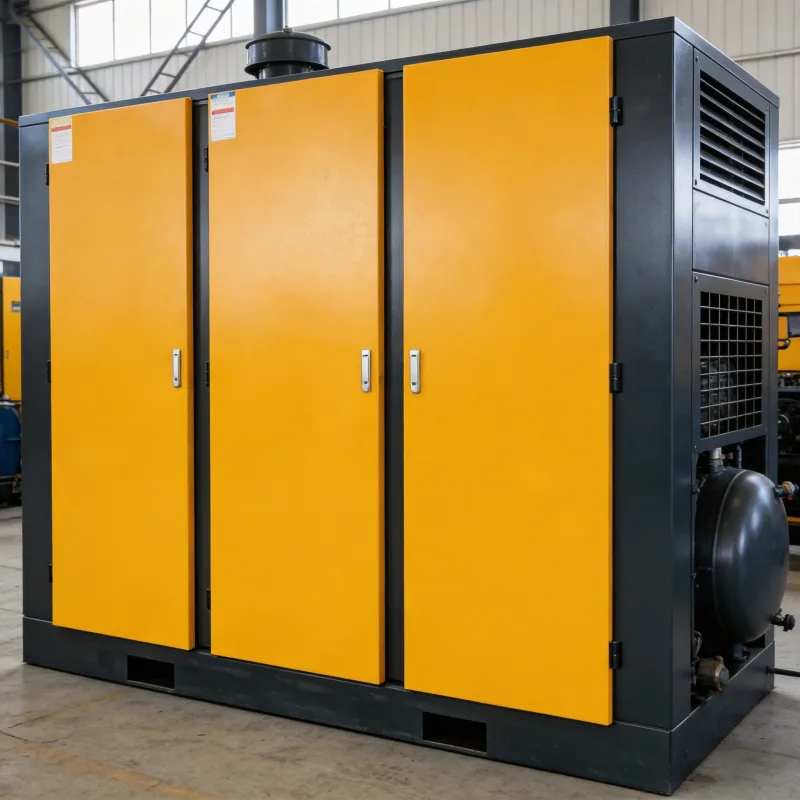
Maintaining a heavy-duty diesel rotary screw air compressor is critical for minimizing downtime and extending equipment lifespan, yet many operators overlook evidence-based best practices. This guide breaks down actionable, research-backed steps—from oil analysis to air filter replacement—with data showing that consistent maintenance can reduce unplanned breakdowns by 40% and extend compressor lifespan by 30%. It also addresses unique challenges of diesel-powered units, such as fuel system care and exhaust component maintenance, providing clear, field-tested strategies for industrial and construction operators.
Follow data-driven, routine checks and targeted servicing to keep your heavy-duty diesel rotary screw air compressor running reliably.
Related: rotary screw air compressor servicing · diesel compressor filter replacement · air compressor oil analysis · heavy-duty compressor troubleshooting · compressor pressure adjustment · diesel engine air compressor care · industrial air compressor maintenance
Key Maintenance Fundamentals Backed by Industry Data
A 2023 study from the Compressor and Air Systems Association (CASA) found that 65% of heavy-duty diesel compressor failures stem from neglected routine maintenance. This translates to an average of $12,000 in repair costs and 18 days of downtime per failure for industrial operators. The core of effective maintenance lies in proactive, scheduled checks rather than reactive fixes.
Oil Analysis: The #1 Predictive Maintenance Tool
Rotary screw compressors rely on oil for lubrication, sealing, and cooling—90% of internal wear is linked to contaminated or degraded oil, per CASA data. Schedule quarterly oil analysis for heavy-duty units operating 8+ hours daily. Lab testing can detect metal shavings, water contamination, and viscosity loss 30–60 days before visible issues arise, preventing catastrophic failure.
Routine Component Checks & Replacement Schedules
Each component of a heavy-duty diesel air compressor has a predictable lifespan, tied to operating hours and environmental conditions. Following manufacturer-recommended intervals, adjusted for field use, ensures optimal performance.
Air Intake & Exhaust System Care
Dirty air filters reduce compressor efficiency by 15–20%, according to a 2024 report from Caterpillar’s Industrial Equipment Division. For units operating in dusty construction or mining environments, replace air filters every 250 hours instead of the standard 500. Inspect exhaust manifolds monthly for carbon buildup; excessive deposits can reduce engine power by 10% and increase fuel consumption by 8%.
Fuel System Maintenance for Diesel Reliability
Diesel fuel contamination is responsible for 35% of engine-related compressor breakdowns, per the Diesel Technology Forum. Install a secondary fuel water separator and drain accumulated water weekly. Use fuel additives designed for heavy-duty engines to prevent microbial growth, which can clog injectors and reduce fuel efficiency by 12%.
Seasonal & Environmental Adjustments
Heavy-duty diesel compressors operate in extreme conditions, from subzero construction sites to desert mining operations. Tailoring maintenance to environmental factors prevents premature wear.
Cold Weather Maintenance
In temperatures below 32°F (0°C), switch to a 5W-40 synthetic engine oil and a compressor-specific low-temperature lubricant. A 2022 study from the American Society of Mechanical Engineers (ASME) found that this reduces startup wear by 45% in cold climates. Inspect battery terminals weekly for corrosion; cold temperatures reduce battery capacity by 50% at 0°F (-18°C).
Hot & Dusty Environment Adjustments
In temperatures above 90°F (32°C), clean the compressor’s radiator fins biweekly to prevent overheating. Dusty environments require daily visual checks of the air intake pre-filter; knocking out accumulated dust can extend filter life by 30%. Monitor compressor discharge pressure closely—high heat can increase internal pressure by 10%, risking seal failure.
Proactive Troubleshooting to Avoid Breakdowns
Early detection of minor issues prevents costly repairs. Use the compressor’s built-in monitoring system to track operating parameters, and address anomalies within 24 hours. A 2023 CASA survey found that operators who respond to alerts within a day reduce breakdown risk by 60%.
Common Warning Signs & Fixes
Unusual knocking noises may indicate worn rotor bearings—address this immediately, as delayed repairs can cost $5,000+ in rotor replacement. Excessive oil carryover often points to a faulty oil separator; replacing it every 1,500 hours (or as indicated by pressure drops) prevents downstream equipment damage. Frequent pressure cycling may signal a clogged air dryer filter, which can be replaced in 15 minutes for under $100.
Further Reading
Related Reading: Diesel vs. Electric Air Compressors for Construction