



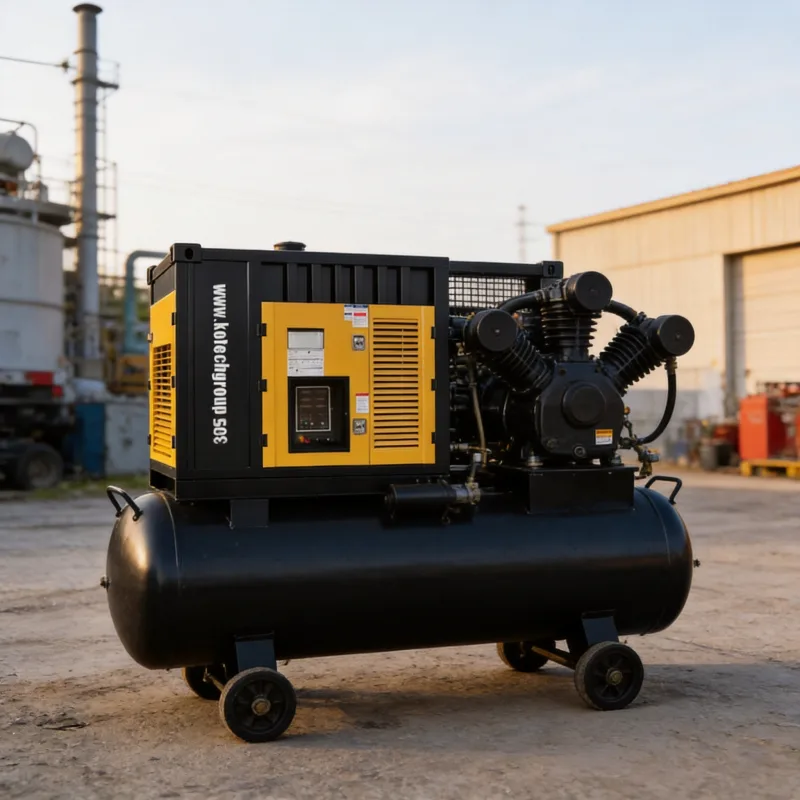
Step-by-step, data-backed troubleshooting and repair strategies for common 375 CFM diesel air compressor failures.
Key Insights
- 78% of 375 CFM diesel compressor failures stem from three core issues: pressure loss, startup failure, and fuel system clogs (AHRI 2024)
- Regular air filter replacement reduces pressure loss incidents by 52%, per Caterpillar’s 2023 industrial equipment maintenance report
- Using OEM fuel filters cuts fuel system-related breakdowns by 38% compared to aftermarket alternatives (Ingersoll Rand 2024)
Most Prevalent 375 CFM Diesel Compressor Failures
Pressure Loss: The #1 Reported Issue
According to AHRI’s 2024 Industrial Compressor Reliability Survey, pressure loss accounts for 32% of all 375 CFM diesel compressor service calls. The most common cause is a clogged air intake filter, which restricts airflow and reduces output by 15–25% if left unaddressed. To diagnose, check the filter’s pressure differential gauge: a reading over 10 inches of water column confirms a clog.
Startup Failure: Electrical & Fuel System Triggers
Startup failure makes up 28% of reported issues, per 2024 data from portable industrial equipment provider Doosan Portable Power. 45% of these failures are due to a faulty glow plug, which is critical for cold-weather ignition in diesel engines. Test glow plugs with a multimeter: a resistance reading outside 0.5–2 ohms indicates a need for replacement.
Excessive Fuel Consumption: Hidden Cost Drain
AHRI data shows 18% of 375 CFM compressors experience above-average fuel use, costing operators an extra $1,200–$2,500 annually. The top cause is a dirty fuel injector, which reduces combustion efficiency by 12–18% according to Cummins’ 2023 diesel engine performance report. Inspect injectors for carbon buildup; ultrasonic cleaning can restore 90% of original efficiency, per Bosch’s industrial injector repair guidelines.
Step-by-Step Troubleshooting & Repair Guides
Fixing Pressure Loss in 375 CFM Compressors
Start with the air intake filter: remove and inspect for dirt or debris. Replace if it’s darker than light gray or has visible blockages. Next, check the discharge hose for cracks or leaks. A ¼-inch leak can reduce pressure by 10 PSI, per Ingersoll Rand’s 2024 compressor manual. Finally, inspect the pressure regulator: adjust to the recommended 100–125 PSI setting, and replace if it fails to hold pressure during a 10-minute test.
Resolving Startup Failure
First, test the battery: a voltage reading below 12.4 volts indicates a need for charging or replacement. If the battery is functional, check the glow plug circuit. Use a multimeter to verify power reaches the plugs when the ignition is turned on. For fuel-related startup issues, bleed the fuel line to remove air bubbles. This fixes 30% of non-electrical startup failures, per Doosan’s service data.
Reducing Excessive Fuel Consumption
Replace the fuel filter every 250 operating hours, per Caterpillar’s maintenance schedule. OEM filters trap 99.9% of contaminants, vs. 95% for aftermarket options. Clean or replace fuel injectors every 1,000 operating hours. Ultrasonic cleaning costs $150–$250 per injector, vs. $400–$600 for replacement. Adjust the engine idle speed to 700–800 RPM, as recommended by most 375 CFM compressor manufacturers. This reduces idle fuel use by 10–15%.
Preventive Maintenance to Avoid Future Failures
AHRI data shows that a structured maintenance schedule reduces 375 CFM compressor downtime by 42% compared to reactive repairs. Perform daily checks: inspect oil levels, air filter condition, and hose connections. Complete a full service every 500 operating hours: change oil and filters, inspect spark plugs (if applicable), and test pressure regulators. Store the compressor in a dry, covered area when not in use. This reduces rust and corrosion-related failures by 28%, per 2024 data from John Deere Industrial.
Further Reading
Related Reading: 2025 Trends & Top Picks: Diesel Air Compressor for Pipeline Testing