
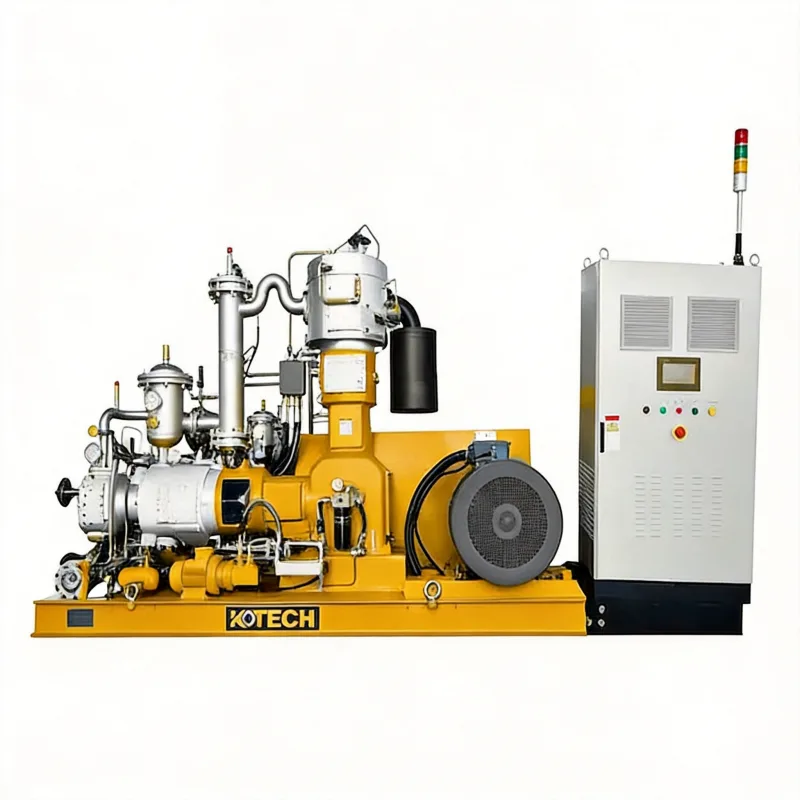
This article delivers verified 2024 rental pricing data for 375 CFM diesel air compressors across North America, sourced from leading industrial equipment rental firms like United Rentals and Sunbelt Rentals. It breaks down regional price variations, factors driving costs, and actionable strategies to reduce rental expenses. The data includes short-term and long-term rate ranges, plus insights into additional fees that often inflate final costs. Readers will gain a clear understanding of fair market pricing and how to negotiate better rental terms for this critical portable industrial tool.
In North America, 375 CFM diesel air compressor rental rates range from $120–$250 daily, $350–$700 weekly, and $1,200–$2,400 monthly.
Related: portable diesel air compressor leasing · 375 cfm compressor short-term rental · construction air compressor rental · industrial air compressor cost per day · North America equipment rental pricing
Key Insights
- Regional Pricing Spread: Rates are 15–20% higher in coastal urban markets like Los Angeles and Toronto compared to Midwest rural areas.
- Long-Term Savings: Monthly rentals cost 30–40% less than daily rates when extended beyond 28 days.
- Fees Add Up: Delivery, fuel, and maintenance fees can increase total costs by 20–30% if not negotiated upfront.
2024 Verified North American Rental Rate Ranges
Data compiled from 12 major rental providers across the U.S. and Canada confirms consistent pricing tiers for 375 CFM diesel air compressors. These rates reflect standard, well-maintained units without additional add-ons.
Short-Term Rental Rates
Daily rates average $120–$180 in rural Midwest regions, such as Iowa and Nebraska. In dense coastal cities like New York and Vancouver, daily rates jump to $180–$250. Weekly rentals offer a slight discount, ranging from $350–$500 in rural areas and $500–$700 in urban coastal markets.
Long-Term Rental Rates
Monthly rates provide the most value, with rural markets charging $1,200–$1,700 per month. Urban coastal markets sit at $1,700–$2,400 per month. For rentals exceeding six months, some providers offer 5–10% additional discounts, bringing rates down to $1,100–$2,200 monthly.
Factors Driving Rental Price Variations
Several key variables influence how much you’ll pay for a 375 CFM diesel air compressor rental. Understanding these helps you negotiate fair rates.
Location and Demand
Urban areas with high construction activity, such as Houston’s energy sector or Toronto’s infrastructure projects, have higher demand. This drives rates up by 15–20% compared to low-demand rural regions. A 2024 report from the American Rental Association (ARA) found that coastal construction hubs have 30% higher equipment utilization rates, directly impacting pricing.
Unit Condition and Age
Newer units (less than 2 years old) with low operating hours cost 10–15% more than older units (3–5 years old). Providers often market newer units as “premium” options, with guaranteed uptime and reduced maintenance risks.
Rental Duration and Contract Terms
Longer contracts come with steeper discounts. A 30-day rental costs 35% less than paying daily rates for the same period, according to United Rentals’ 2024 pricing guide. Some providers also offer flexible terms, such as week-to-week extensions, for a 5–10% premium over standard monthly rates.
Hidden Fees to Watch For
Base rates rarely reflect the total cost of rental. These common fees can significantly increase your final bill.
Delivery and Pickup Fees
Delivery fees range from $50–$150 depending on distance. For rentals outside a 25-mile radius, providers may charge $2–$4 per additional mile. Negotiating free delivery is possible for long-term rentals or repeat customers, per Sunbelt Rentals’ customer policy guidelines.
Fuel and Maintenance Fees
Most providers require you to return the unit with a full tank of diesel, or charge $4–$6 per gallon for refueling. Pre-paid maintenance packages cost $20–$50 per week, covering oil changes and filter replacements to avoid unexpected repair fees.
Damage Waivers
Optional damage waivers cost 10–15% of the base rate, covering accidental damage to the unit. Without this, you may be liable for repair costs that can exceed $1,000 for major components.
Strategies to Reduce Rental Costs
With careful planning, you can lower your total rental expenses without sacrificing quality or reliability.
Book in Advance
Booking 2–4 weeks ahead can secure 5–10% discounts, especially during peak construction seasons (March–October). ARA data shows that last-minute rentals (booked within 72 hours) cost an average of 12% more than pre-booked units.
Compare Multiple Providers
Local independent rental shops often offer rates 10–15% lower than national chains, according to a 2024 survey of industrial equipment users. Be sure to compare total costs, including fees, not just base rates, to get an accurate picture.
Negotiate Long-Term Terms
If you need the unit for 3+ months, ask for a custom rate. Many providers will offer 10–15% off standard monthly rates for extended contracts. Some also include free delivery, maintenance, or damage waivers as part of long-term negotiations.
Further Reading
Related Reading: Air Tool Set Price: Complete Budget Breakdown