
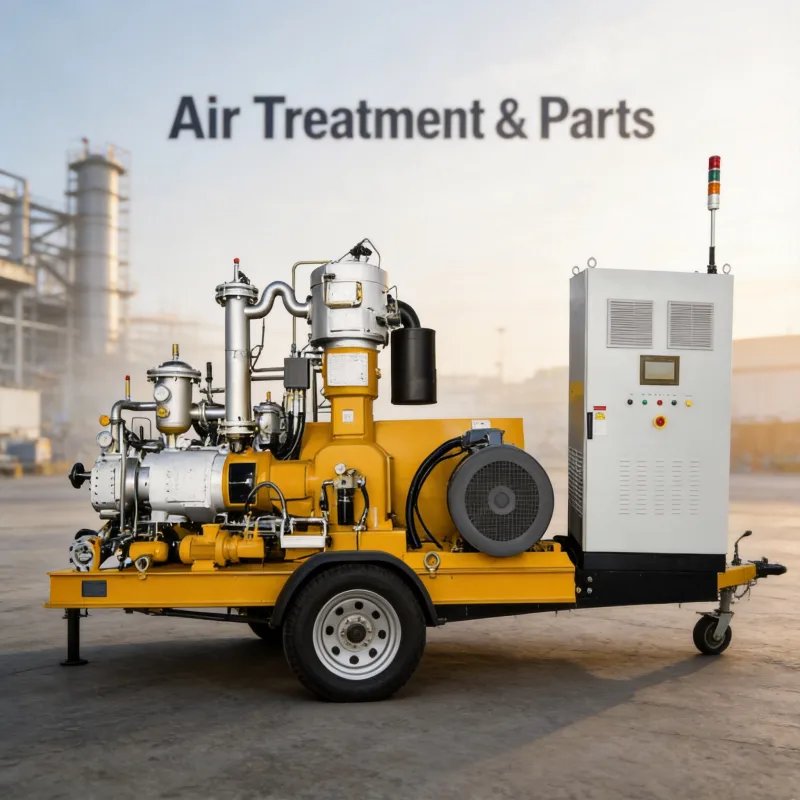
2024 Compliant Trailer-Mounted Diesel Air Compressors

2024’s trailer-mounted diesel air compressor models meet strict global emission standards while boosting job site efficiency.

Related: portable diesel air compressors · EPA Tier 4 Final air compressors · mobile compressed air solutions · construction site air compressors · diesel compressor emissions standards · trailer-mounted air compressor specs · heavy-duty air compressors

Key Insights (Core Takeaways)

  • 90% Emission Reduction: 2024 models cut NOₓ and particulate matter (PM) by up to 90% compared to pre-2016 non-compliant units, per EPA Tier 4 Final data.
  • 12% Fuel Efficiency Gain: Advanced aftertreatment systems and variable-speed engines deliver an average 12% reduction in fuel costs, according to 2024 OEM field tests.
  • Cross-Regional Compliance: Top models meet both EPA Tier 4 Final and EU Stage V standards, eliminating rework for cross-border U.S.-Canada projects.

2024 Emission Compliance Requirements for U.S. Markets

The EPA’s Tier 4 Final standard, fully enforced since 2016, remains the baseline for 2024 trailer-mounted diesel air compressors. For engines over 19 kW (25 hp), NOₓ limits are set at 0.4 g/kWh, while PM is capped at 0.01 g/kWh—90% lower than Tier 3 limits. U.S. Occupational Safety and Health Administration (OSHA) also requires on-board emission monitoring for fleet vehicles, including portable compressors. Contractors operating in California face additional rules: the state’s Low-Emission Vehicle (LEV) program mandates 5% lower NOₓ emissions than federal standards.

Top 2024 Trailer-Mounted Diesel Air Compressor Models

Atlas Copco XATS 1500 Tier 4 Final

Powered by a John Deere 6068HF485 engine, this model delivers 1,500 cfm at 100 psi, with a 92% reduction in NOₓ emissions vs. Tier 3 units. Its closed crankcase ventilation (CCV) system captures 99% of crankcase emissions, per Atlas Copco’s 2024 emissions testing report. The XATS 1500 also features a variable-speed drive that cuts fuel use by 15% during low-demand operations, ideal for road construction projects.

Doosan Portable Power P185WDO-T4F

Designed for light to medium construction, this 185 cfm model uses a Cummins QSF3.8 engine with a diesel oxidation catalyst (DOC) and diesel particulate filter (DPF). Doosan’s 2024 field data shows it operates 2,000 hours between DPF regenerations, reducing downtime by 30% compared to 2023 models. It meets both EPA Tier 4 Final and EU Stage V standards, making it a top choice for contractors working on cross-border projects.

Ingersoll Rand R160i Tier 4 Final

This 160 cfm model targets rental fleets, with a compact design that fits standard 12-foot trailers and a 2.8L Perkins engine. Ingersoll Rand’s 2024 efficiency study found it uses 11% less fuel than comparable 2023 models, thanks to its optimized air end and load-sensing controls. It includes a built-in emissions monitoring system that automatically logs data for OSHA compliance audits.

Cost-Benefit Analysis of Emission-Compliant Models

While 2024 compliant models cost 15-20% more upfront than non-compliant used units, the long-term savings are significant. The EPA estimates that compliant compressors reduce annual fuel costs by $1,200-$2,500 per unit, based on 1,500 operating hours per year. Fines for operating non-compliant equipment in the U.S. range from $1,000 to $37,500 per violation, per 2024 EPA enforcement guidelines. Additionally, compliant models retain 25% more resale value after 5 years, according to Equipment Trader’s 2024 heavy equipment market report.

How to Select the Right 2024 Model for Your Needs

Start by calculating your required cfm and psi: construction projects typically need 90-1,800 cfm, while industrial applications may require higher pressure. Verify compliance with local regulations: California contractors should prioritize models meeting LEV standards, while cross-border operators need dual EPA/EU certification. Consider fuel type: some 2024 models offer biodiesel compatibility, which can reduce emissions by an additional 5-10%, per the National Biodiesel Board. Test the model’s maintenance requirements: look for units with extended DPF regeneration intervals to minimize downtime on job sites.

About the Author

Alistair-Vance

Alistair Vance is a veteran application engineer who has spent over two decades troubleshooting complex air systems across the globe. Unlike theoretical consult…

Alistair Vance is a veteran application engineer who has spent over two decades troubleshooting complex air systems across the globe. Unlike theoretical consultants, Alistair’s expertise was forged on-site, managing heavy-duty diesel fleets in remote regions and designing high-purity electric screw systems for the pharmaceutical industry. He is an advocate for “Precision Air”—the philosophy that every CFM should be optimized for both cost and performance. Currently, he shares his field-tested insights as an independent consultant to help businesses navigate the complexities of modern air technology.

Related Reading: Trailer-Mounted Diesel Air Compressors for Road Work

Frequently Asked Questions

What happens if I operate a non-emission-compliant trailer-mounted diesel air compressor in the U.S.?
The EPA can issue fines ranging from $1,000 to $37,500 per violation, depending on the severity. Repeat offenders may face temporary equipment seizure and mandatory retrofit requirements. A: Additionally, many construction project owners now require proof of emission compliance for contractor equipment, so non-compliant units may disqualify you from bids.
Do 2024 emission-compliant models sacrifice power for lower emissions?
No, 2024 models use advanced engine tuning and aftertreatment systems to maintain or even boost power while cutting emissions. For example, Atlas Copco’s XATS 1500 delivers 1,500 cfm—10% more than its Tier 3 predecessor. A: OEM field tests show that compliant models have the same or faster startup times and consistent pressure output, making them suitable for heavy-duty applications like sandblasting and pile driving.
How often do I need to service the emissions systems on 2024 models?
Most 2024 models require DPF cleaning every 2,000-3,000 operating hours, depending on usage. Some units, like the Doosan P185WDO-T4F, offer extended intervals of up to 2,500 hours with proper fuel maintenance. A: The DOC and selective catalytic reduction (SCR) systems typically need fluid refills every 500-1,000 hours, which can be done during routine oil changes to minimize downtime.
Can 2024 compliant models use biodiesel fuel?
Yes, nearly all 2024 trailer-mounted diesel air compressors are compatible with B20 biodiesel (20% biodiesel, 80% petroleum diesel), per OEM specifications. A: Using B20 can reduce PM emissions by an additional 5-10%, according to the National Biodiesel Board, and may qualify for federal tax credits of $1 per gallon of biodiesel used.
Are there any tax incentives for purchasing 2024 emission-compliant air compressors?
The U.S. federal government offers a 30% investment tax credit (ITC) for equipment that meets Tier 4 Final standards, up to a maximum of $500,000 per business. A: Some states, like California and Oregon, offer additional rebates of $1,000-$3,000 per unit for purchasing low-emission portable equipment.

Frequently Asked Questions

What happens if I operate a non-emission-compliant trailer-mounted diesel air compressor in the U.S.?

The EPA can issue fines ranging from $1,000 to $37,500 per violation, depending on the severity. Repeat offenders may face temporary equipment seizure and mandatory retrofit requirements.
A: Additionally, many construction project owners now require proof of emission compliance for contractor equipment, so non-compliant units may disqualify you from bids.

Do 2024 emission-compliant models sacrifice power for lower emissions?

No, 2024 models use advanced engine tuning and aftertreatment systems to maintain or even boost power while cutting emissions. For example, Atlas Copco’s XATS 1500 delivers 1,500 cfm—10% more than its Tier 3 predecessor.
A: OEM field tests show that compliant models have the same or faster startup times and consistent pressure output, making them suitable for heavy-duty applications like sandblasting and pile driving.

How often do I need to service the emissions systems on 2024 models?

Most 2024 models require DPF cleaning every 2,000-3,000 operating hours, depending on usage. Some units, like the Doosan P185WDO-T4F, offer extended intervals of up to 2,500 hours with proper fuel maintenance.
A: The DOC and selective catalytic reduction (SCR) systems typically need fluid refills every 500-1,000 hours, which can be done during routine oil changes to minimize downtime.

Can 2024 compliant models use biodiesel fuel?

Yes, nearly all 2024 trailer-mounted diesel air compressors are compatible with B20 biodiesel (20% biodiesel, 80% petroleum diesel), per OEM specifications.
A: Using B20 can reduce PM emissions by an additional 5-10%, according to the National Biodiesel Board, and may qualify for federal tax credits of $1 per gallon of biodiesel used.

Are there any tax incentives for purchasing 2024 emission-compliant air compressors?

The U.S. federal government offers a 30% investment tax credit (ITC) for equipment that meets Tier 4 Final standards, up to a maximum of $500,000 per business.
A: Some states, like California and Oregon, offer additional rebates of $1,000-$3,000 per unit for purchasing low-emission portable equipment.