
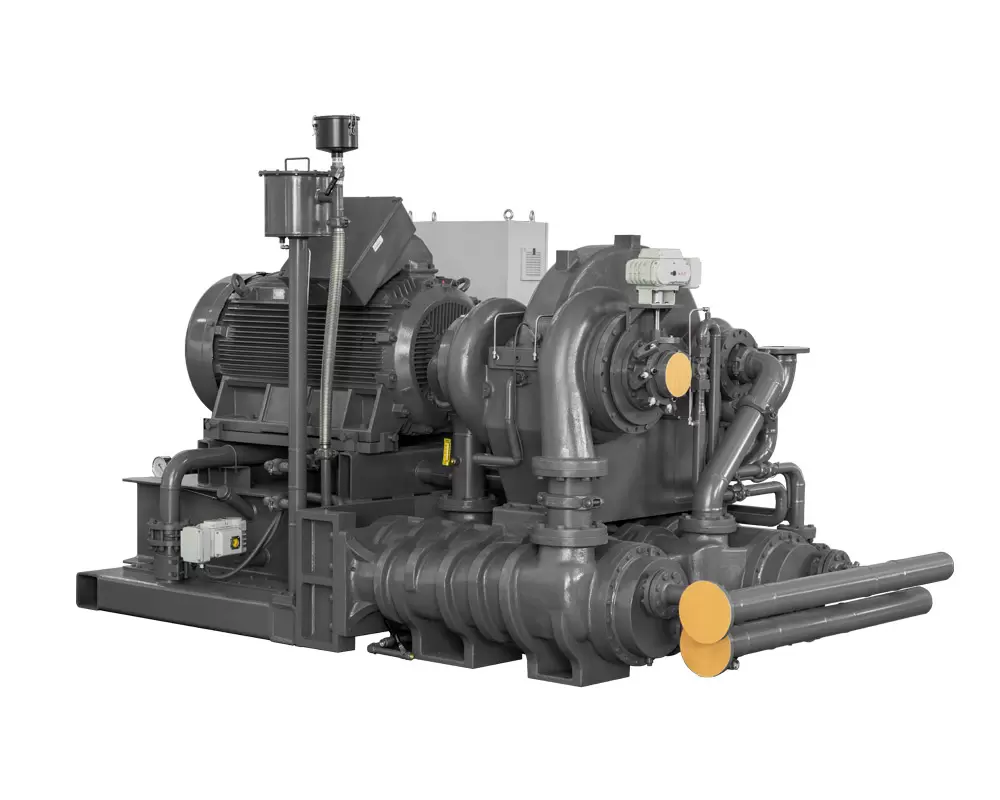
Industrial diesel rotary screw compressors are critical assets, but a one-size-fits-all maintenance approach often falls short. This article delves into optimizing preventative maintenance schedules by dissecting the unique demands of various application scenarios. We reveal how factors like continuous high-load operation in construction, intermittent use in fabrication, or harsh conditions in mining necessitate distinct maintenance frequencies and procedures. Drawing on industry best practices and data, we challenge generic recommendations, providing actionable insights to reduce costly downtime, extend equipment lifespan, and improve overall operational efficiency. Understanding these application-specific nuances is crucial for any business seeking reliable, cost-effective diesel air compressor maintenance and repair service near me.
Tailoring preventative maintenance schedules for industrial diesel rotary screw compressors based on specific application demands is key to maximizing uptime and lifespan.
Related: heavy-duty compressor reliability · localized compressor repair · remote site compressor service · variable load compressor care · construction air compressor solutions · emergency compressor breakdown · industrial air compressor maintenance cost · compressor uptime optimization · oil & gas compressor maintenance · manufacturing compressor service
Industrial diesel rotary screw compressors are the workhorses of countless operations, from construction sites to remote oil fields. Yet, a common pitfall is applying a generic preventative maintenance schedule, leading to either premature wear or unnecessary service costs. True optimization demands a nuanced understanding of how specific application environments and operational demands dictate maintenance needs. This isn’t just about changing oil; it’s about predicting failure, extending asset life, and ensuring uninterrupted productivity.
Adapting Maintenance for Continuous, High-Load Operations: Construction & Manufacturing
In environments like heavy construction or continuous manufacturing, diesel rotary screw compressors often run at or near full load for extended periods. This high-duty cycle places immense stress on every component, accelerating wear rates beyond what a standard calendar-based schedule might anticipate. The primary pain point here is unexpected downtime, which can halt entire production lines or construction projects, incurring significant financial penalties.
For these applications, maintenance intervals must be significantly shorter than typical recommendations. A critical insight often overlooked is the specific degradation rate of compressor oil under sustained high temperatures and pressures. While many manuals suggest 1,000-2,000 hour oil change intervals, continuous heavy-duty operation can degrade oil quality by up to 25% faster due to thermal breakdown and increased contaminant loading. This necessitates a shift towards condition-based monitoring, with oil analysis performed every 500 hours or monthly, whichever comes first.
Air filtration is another prime concern. Dust and debris are prevalent in construction and certain manufacturing processes. A study by a leading compressor manufacturer indicated that neglected air filters in high-dust environments can increase energy consumption by up to 15% due to increased pressure drop and contribute to a 5% higher risk of premature airend bearing failure within the first 5,000 hours of operation. Therefore, inspecting and cleaning air filters daily, and replacing them every 250-500 hours, is a non-negotiable adjustment.
Belt tension and coupling alignment also suffer under constant load. Regular checks (weekly) and adjustments are vital to prevent slippage, excessive wear, and costly replacements. Overlooking these simple checks can lead to a 10-15% reduction in belt lifespan and potential damage to motor bearings.
Tailoring Schedules for Intermittent & Variable Demand: Fabrication & Workshop Environments
Conversely, fabrication shops, automotive repair facilities, and smaller manufacturing workshops often operate diesel rotary screw compressors with intermittent cycles and fluctuating load demands. Here, the challenge isn’t just high wear, but also issues related to condensation, short cycling, and the unique stresses of frequent start-stops. The common pain point is internal corrosion and lubricant degradation due to moisture, often exacerbated by insufficient run time to properly evaporate condensate.
For intermittent use, calendar-based maintenance can be misleading. A compressor running 20 hours a week might technically accrue 1,000 hours in a year, but the operating conditions are vastly different from a continuous-duty machine. The critical adjustment here is focusing on moisture management. Condensate accumulation is a major issue; short cycles don’t allow the system to reach optimal operating temperature long enough to fully vaporize moisture in the oil. This leads to increased acidity and sludge formation.
We recommend more frequent condensate drain checks (daily, regardless of run hours) and a proactive approach to oil analysis. While run hours might be lower, the *quality* of the oil can degrade faster due to moisture. Implementing a quarterly oil analysis, even if the compressor hasn’t hit its typical hour-based interval, can catch issues early. Furthermore, the air/oil separator element might need replacement based on calendar time (e.g., annually) rather than just hours, as moisture can degrade the filter media over time.
Motor and engine starting components, such as batteries and starters, experience more wear from frequent starts. Regular battery load tests (monthly) and starter current draws are crucial. Neglecting these can lead to frustrating and productivity-killing no-starts, a common complaint in these environments. Ensure a reliable diesel air compressor maintenance and repair service near me can perform these specialized checks.
Special Considerations for Remote & Harsh Environments: Mining & Oil & Gas
Mining operations, oil & gas exploration, and large-scale agricultural sites present a unique confluence of challenges: extreme environmental conditions (dust, temperature swings, humidity), heavy-duty cycles, and often, remote locations. The core pain points are logistical difficulties for maintenance, increased component degradation from environmental factors, and the catastrophic cost of unexpected failures in isolated areas.
In these scenarios, a purely reactive or even standard preventative approach is insufficient. A robust predictive maintenance strategy, coupled with extended service intervals where feasible and enhanced protective measures, becomes paramount. For instance, in dusty mining environments, standard air filtration is often inadequate. Implementing pre-filters or cyclonic separators can extend primary filter life by up to 300% and significantly reduce abrasive wear on the airend, preventing costly repairs.
Engine cooling systems are under constant assault from dust and debris, leading to reduced efficiency and potential overheating. Radiators and oil coolers require daily inspection and weekly cleaning, often with specialized equipment like compressed air or pressure washers, something often overlooked in less demanding settings. Overheating can lead to a 20% reduction in engine lifespan and increased fuel consumption.
Fuel quality and filtration are also critical. Diesel engines in remote locations might encounter variable fuel quality or increased water contamination. Installing additional fuel-water separators and maintaining a strict fuel filter replacement schedule (e.g., every 250 hours or bi-weekly, depending on fuel source) is essential. Neglecting this can lead to injector and fuel pump failures, which are incredibly expensive and difficult to repair in the field.
Remote monitoring systems, while an upfront investment, offer significant returns. Tracking parameters like oil pressure, temperature, vibration, and differential pressures across filters allows for proactive intervention. For example, an unexpected drop in oil pressure can indicate a failing pump or blocked filter, prompting a scheduled maintenance visit before a complete breakdown occurs. This can reduce emergency call-outs by 20-30%, a massive saving given the logistics involved in remote sites.
Key Preventative Maintenance Components Across All Applications
Regardless of the specific application, several core components demand consistent attention, albeit with varying frequencies based on the discussed scenarios:
- Oil & Lubricant Management: Beyond simple changes, regular oil analysis (viscosity, contaminants, acid number) is crucial. Using synthetic oils can extend intervals and improve performance in extreme temperatures.
- Air Filtration System: The first line of defense against contaminants. Regular inspection, cleaning, and timely replacement are non-negotiable. Ensure seals are intact.
- Oil Filter & Separator: These maintain oil purity and prevent oil carryover into the compressed air system. Clogged separators drastically reduce efficiency and air quality.
- Cooling System: Radiators, intercoolers, and aftercoolers must be kept clean to ensure optimal operating temperatures. Overheating is a silent killer of compressor components.
- Belts & Couplings: Check for tension, wear, and alignment. These seemingly minor components can cause significant damage if they fail.
- Valves & Drains: Automatic condensate drains must be checked for proper function. Manual drains should be opened daily to remove accumulated moisture.
- Electrical System: Battery health, wiring integrity, and sensor functionality are vital for reliable starts and accurate monitoring.
The operational lifespan of an industrial diesel rotary screw compressor is directly proportional to the diligence and intelligence applied to its preventative maintenance. Moving beyond generic schedules to application-specific strategies, supported by data and proactive monitoring, is not merely a best practice—it’s an economic imperative. Partnering with a specialized diesel air compressor maintenance and repair service near me that understands these nuances is key to achieving unparalleled reliability and efficiency.
Further Reading
Related Reading: Mastering 500 CFM Diesel Air Compressor Selection: An Industrial Project Manager's Operational Guide