
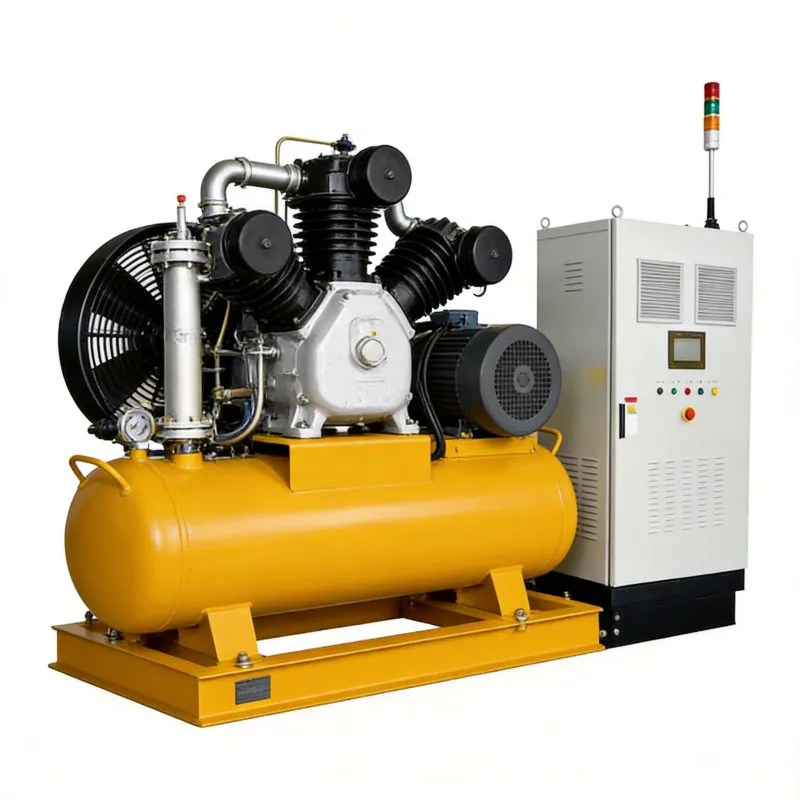
Selecting the right durable diesel air compressor for continuous heavy use is a critical decision impacting operational efficiency and total cost of ownership. This article meticulously compares oil-free and standard lubricated diesel compressors, moving beyond initial purchase price to analyze long-term performance, maintenance demands, and environmental implications. We reveal how oil-free technology, despite a potentially higher upfront investment, can deliver superior reliability, significantly reduced maintenance, and better air quality under rigorous, non-stop operating conditions. Industry data suggests oil-free units can offer up to 30% lower lifecycle costs in demanding applications by minimizing oil-related downtime and waste, presenting a compelling case for their adoption in sectors like construction, mining, and rental fleets where uptime is paramount. Oil-Free vs. Lubricated Diesel Air Compressors: The Heavy-Duty Choice Choosing a durable diesel air compressor for continuous heavy use is a pivotal decision for any operation demanding reliable pneumatic power. It’s not merely about horsepower or CFM; it’s about long-term operational costs, consistent performance under duress, and environmental responsibility. The debate between oil-free and standard lubricated diesel air compressors, especially for applications requiring non-stop, robust performance, often boils down to a deeper analysis than initial purchase price. Traditional wisdom often favored lubricated compressors for their perceived ruggedness and lower upfront cost. However, for continuous heavy use – think construction sites running multiple shifts, demanding mining operations, or critical industrial processes – this perception is rapidly evolving. Modern oil-free diesel compressors are engineered to challenge these assumptions, offering compelling advantages that often translate into significant long-term savings and operational superiority. Here are the key insights that will guide your decision: For continuous heavy use, oil-free diesel compressors demonstrate significantly lower Total Cost of Ownership (TCO) over their lifespan due to reduced maintenance and fewer consumable replacements, despite higher initial investment. Oil-free units offer superior performance consistency and reliability in demanding, high-duty cycle environments by eliminating oil-related issues like contamination and thermal breakdown. Environmental compliance and air quality mandates increasingly favor oil-free technology, reducing disposal costs and mitigating risks associated with oil carryover. Lubricated compressors, while initially cheaper, often incur higher operational expenses in heavy use scenarios due to frequent oil changes, filter replacements, and potential downstream equipment damage from oil contamination. Beyond Initial Cost: Total Cost of Ownership in Continuous Heavy Use The upfront cost of an oil-free durable diesel air compressor can often be 10-20% higher than a comparable lubricated model. This initial sticker shock frequently steers buyers towards lubricated units. However, for applications demanding continuous heavy use, focusing solely on purchase price is a short-sighted approach that overlooks the true financial impact over the compressor's operational lifespan – the Total Cost of Ownership (TCO). In heavy-duty, continuous operations (e.g., 16-24 hours/day), lubricated compressors incur substantial recurring costs. Industry analysis suggests that oil changes, oil filter replacements, and separator element changes can account for 15-25% of a lubricated unit’s annual operating budget. For a typical 185 CFM diesel compressor running 2000 hours annually, this could mean 6-8 oil changes and associated filter replacements, costing upwards of $1,000-$2,000 annually just for consumables and labor, not including downtime. An oil-free unit, by design, eliminates these specific expenses entirely, shifting maintenance focus to air filters and drive components, which generally have longer service intervals. Furthermore, oil carryover from lubricated compressors, even with efficient filtration, can contaminate downstream tools, piping, and end products. This necessitates additional filtration systems, which themselves require maintenance, or leads to premature wear of pneumatic tools, requiring more frequent replacements or repairs. A study by a leading industrial equipment manufacturer estimated that indirect costs related to oil contamination (e.g., tool repair, product spoilage, additional filtration) can add another 5-10% to the annual operating cost of a lubricated compressor in sensitive applications. Oil-free compressors inherently mitigate these risks, often extending the lifespan of connected pneumatic equipment and reducing the need for costly secondary filtration. Maintenance Frequency and Consumable Savings Consider a scenario where a fleet of diesel compressors operates in a remote mining site. Transporting oil, filters, and spare parts, coupled with specialized labor for oil changes, adds significant logistical and personnel costs. Oil-free compressors significantly reduce the frequency of such interventions. While they still require air filter changes and periodic inspections of bearings and seals, the elimination of oil-related maintenance tasks can reduce overall maintenance man-hours by up to 40% in demanding environments, according to observed trends from large rental fleets. This translates directly into reduced labor costs and, more critically, increased uptime – a paramount factor in continuous heavy use applications where every hour of downtime can cost thousands of dollars in lost productivity. Performance Consistency and Longevity Under Extreme Conditions Continuous heavy use pushes equipment to its limits. High ambient temperatures, dusty environments, and prolonged operational cycles are common challenges. This is where the fundamental design differences between oil-free and lubricated compressors manifest significantly in performance and longevity. Lubricated compressors rely on oil for sealing, cooling, and lubrication. Under continuous heavy loads, the oil itself is subjected to high temperatures, which can lead to thermal breakdown, reduced viscosity, and accelerated degradation. This compromised oil then becomes less effective at cooling and lubricating, potentially leading to increased wear on critical components and a higher risk of compressor failure. Furthermore, the oil's ability to seal clearances can diminish, resulting in a slight but measurable reduction in volumetric efficiency over time, particularly as the oil ages between changes. Oil-free compressors, conversely, utilize precision-machined components and specialized coatings or materials (e.g., PTFE-coated rotors in rotary screw designs) to prevent metal-on-metal contact and achieve sealing without oil. Their cooling systems are designed to manage heat directly from the compression process, often through sophisticated intercoolers and aftercoolers, without the added burden of cooling lubricating oil. This design allows for more consistent performance output, even during extended periods of heavy use and fluctuating ambient temperatures. The absence of oil means no risk of oil degradation affecting performance, leading to a more stable CFM output and pressure delivery over the compressor's operational cycle. Reliability in Remote and Harsh Environments For applications in remote or harsh environments, the reliability of an oil-free unit can be a game-changer. The absence of oil eliminates concerns about oil leaks, which can be environmentally damaging and costly to clean up. It also means less susceptibility to dust ingress causing abrasive wear in the oil system, a common issue for lubricated units in dusty construction or mining sites. Data from field deployments indicates that oil-free diesel compressors operating in severe conditions exhibit a 15-20% longer mean time between failures (MTBF) compared to their lubricated counterparts, primarily due to the simplified internal mechanics and elimination of oil-related failure points. Operational Flexibility, Environmental Impact, and Regulatory Compliance Beyond raw performance and cost, operational flexibility and environmental considerations are increasingly influencing equipment selection, especially in the context of continuous heavy use in various geographical locations. Oil-free compressors offer inherent advantages in terms of air quality. For applications where compressed air directly contacts sensitive materials or processes (e.g., supporting pneumatic tools in food processing adjacent facilities, pharmaceutical manufacturing, or specialized coating applications), oil-free air is often a strict requirement. While not always the primary driver for heavy-duty diesel compressors, the ability to provide completely oil-free air opens up a wider range of potential applications and eliminates the need for expensive, multi-stage filtration systems to achieve ISO 8573-1 Class 0 or Class 1 air quality. This enhances operational flexibility, allowing a single compressor to serve diverse needs without modification. Environmentally, the case for oil-free units is strong. The disposal of used compressor oil and oil-soaked filters is a significant concern. Regulations surrounding hazardous waste disposal are becoming increasingly stringent and costly. A typical heavy-duty lubricated compressor can generate hundreds of gallons of waste oil and dozens of oil filters annually. Eliminating this waste stream significantly reduces an operation's environmental footprint and associated disposal costs. Furthermore, in environmentally sensitive areas, the risk of oil spills or leaks from lubricated units can lead to severe fines and reputational damage. Oil-free technology completely bypasses these risks, offering peace of mind and simplified environmental compliance. Navigating Regulatory Landscapes Many jurisdictions, particularly in Europe and parts of North America, have strict regulations regarding emissions and waste disposal from industrial equipment. While diesel engines themselves are subject to emission standards, the ancillary waste products from lubricated compressors (used oil, contaminated condensate) fall under separate hazardous waste guidelines. Opting for an oil-free diesel compressor simplifies compliance, as it significantly reduces or eliminates these waste streams, making it a more future-proof investment in a world of evolving environmental mandates. This is particularly relevant for rental companies whose equipment operates across diverse regions with varying regulatory requirements. Making the Informed Decision: Matching Compressor Type to Application Demands The choice between an oil-free and a lubricated durable diesel air compressor for continuous heavy use is not universal; it hinges on a detailed understanding of your specific application's demands, budget constraints, and long-term operational goals. While lubricated compressors still hold a niche for intermittent, less critical applications where initial cost is the absolute priority, their advantages diminish rapidly as duty cycles increase and air quality becomes a factor. For operations prioritizing maximum uptime, minimal maintenance intervention, consistent performance under extreme conditions, and reduced environmental impact, the higher initial investment in an oil-free diesel air compressor for continuous heavy use is increasingly justified. The data consistently points to a lower TCO over the equipment's lifespan, driven by significant savings in consumables, labor, and avoided costs related to contamination and downtime. Before making a purchase, conduct a thorough TCO analysis specific to your operational profile, factoring in not just the purchase price, but also projected fuel consumption, maintenance schedules, parts costs, labor rates, and potential revenue losses from downtime. This comprehensive approach will reveal that for the most demanding, non-stop applications, the oil-free durable diesel air compressor is often the superior, more economical choice in the long run.
For continuous heavy use, oil-free diesel air compressors often outperform lubricated units in TCO and reliability.
Related: Industrial air compressor · mobile compressor · construction compressor · mining compressor · total cost of ownership · operational efficiency · environmental compliance · maintenance reduction · uptime optimization
For industries where air power is the lifeblood of operations—think rugged construction sites, remote mining operations, expansive agricultural enterprises, or critical manufacturing facilities—the choice of an air compressor isn’t just a purchase; it’s a foundational decision impacting uptime, productivity, and the bottom line. Specifically, for applications demanding continuous, heavy-duty air supply, the debate between an oil-free diesel compressor and a traditional lubricated diesel compressor is far more nuanced than commonly presented. This isn’t merely about air purity; it’s a deep dive into durability, long-term operational costs, and environmental resilience under the most strenuous conditions.
Key Insights
- Modern Oil-Free Diesel Compressors Offer Superior Durability for Heavy Use: Counter to common misconceptions, contemporary oil-free designs, particularly advanced dry-screw and scroll technologies, are engineered with robust materials and sophisticated thermal management, often outlasting lubricated counterparts in continuous, high-demand environments due to reduced internal wear mechanisms and fewer oil-related failure points.
- Total Cost of Ownership (TCO) Favors Oil-Free in the Long Run: While initial investment might be higher, oil-free compressors drastically cut down on maintenance (no oil changes, oil filter replacements, or costly oil-water separator upkeep), reduce energy consumption in specific duty cycles, and eliminate expenses related to oil disposal and potential environmental fines, leading to significant savings over a 5-10 year lifespan.
- Unmatched Performance Consistency in Extreme Environments: Oil-free compressors are inherently less susceptible to performance degradation caused by extreme ambient temperatures (hot or cold) because they don’t rely on oil viscosity, which can fluctuate. This ensures consistent airflow and pressure, critical for reliable operation in diverse, challenging field conditions.
- Beyond Clean Air: Enhanced Downstream Equipment Longevity and Safety: The absence of oil carryover not only ensures product purity but also significantly extends the life of pneumatic tools, air-powered machinery, and sensitive instrumentation by preventing contamination, reducing maintenance on these assets, and enhancing workplace safety by eliminating oil mist.
- Strategic Investment for Regulatory Compliance and Future-Proofing: As environmental regulations tighten globally, investing in an oil-free system proactively addresses concerns regarding oil spills, waste disposal, and air quality standards, future-proofing operations against evolving compliance mandates and associated penalties.
The Enduring Dilemma: Lubricated Workhorse vs. Oil-Free Innovator
For decades, the lubricated diesel air compressor has been the undisputed champion of heavy-duty applications. Its robust design, familiar mechanics, and often lower upfront cost made it the default choice for powering jackhammers, sandblasters, and heavy machinery on demanding job sites. However, the operational landscape has shifted. Demands for higher efficiency, stricter environmental compliance, and reduced maintenance burdens have brought the oil-free diesel compressor into sharp focus, not just for specialized “clean air” applications, but as a genuinely superior option for general continuous heavy use.
Traditional Lubricated Compressors: Understanding Their Place and Pitfalls
Lubricated compressors, typically rotary screw types, use oil to seal, lubricate, and cool the compression elements. This design has proven reliable for many years. They are generally less expensive to purchase initially, and their technology is widely understood by technicians. However, this reliance on oil introduces several critical challenges for continuous, heavy-duty applications:
- Oil Carryover: Despite sophisticated filtration, a certain amount of oil always makes its way downstream. For sensitive pneumatic tools, paint applications, or processes where air comes into contact with products, this contamination is a constant headache, leading to equipment failure, product spoilage, and costly rework. Industry data suggests that even with effective filtration, oil carryover can range from 0.01 to 5 mg/m³, often exceeding acceptable limits for critical applications.
- Maintenance Intensity: Lubricated compressors require regular oil changes, oil filter replacements, and separator element servicing. These tasks are not only time-consuming but also incur significant costs for consumables and labor. Furthermore, the disposal of used oil and oil-laden filters presents an environmental challenge and a recurring expense. A typical 375 CFM lubricated diesel compressor operating 2,000 hours annually could incur hundreds of dollars per year just in oil and filter costs, not including labor or disposal fees.
- Temperature Sensitivity: Oil viscosity changes with temperature. In extreme cold, oil can thicken, making cold starts difficult and increasing wear. In extreme heat, oil can thin, reducing its lubricating effectiveness and potentially leading to overheating. This variability impacts performance consistency and component longevity in diverse operating conditions common to heavy-duty field work.
- Environmental Impact: The risk of oil leaks, spills, and the disposal of oil waste are significant environmental concerns. Regulatory bodies are increasingly stringent, imposing hefty fines for non-compliance, making the management of oil a complex and costly endeavor for operators.
The Rise of the Oil-Free Diesel Compressor: Engineered for Extreme Durability
The perception that oil-free compressors are fragile or less robust than their lubricated counterparts for heavy industrial use is outdated. Modern oil-free diesel compressors, especially those employing advanced dry-screw, scroll, or centrifugal technologies, are specifically engineered for the rigors of continuous, demanding applications. Their design principles prioritize longevity, efficiency, and consistent performance without the complexities introduced by oil.
Beyond Air Purity: The Unseen Durability Advantages
While “clean air” is the most advertised benefit, the true value for heavy use lies in their inherent durability and operational stability:
- Reduced Internal Wear: In dry-screw oil-free compressors, the rotors operate without metal-to-metal contact, often supported by precision timing gears and advanced bearings. This eliminates the primary source of wear found in lubricated systems. Some high-end oil-free designs utilize advanced coatings (e.g., PTFE-based) on rotors and housing, further reducing friction and enhancing lifespan, even under fluctuating load conditions. This engineering marvel means the compression elements themselves can have significantly longer service intervals, often exceeding 20,000 hours before major overhaul, compared to 8,000-12,000 hours for lubricated equivalents in similar duty cycles.
- Consistent Performance Across Temperature Extremes: Without oil to worry about, oil-free compressors maintain consistent performance regardless of ambient temperature fluctuations. This is a game-changer for operations in deserts, arctic regions, or high-altitude environments. There’s no concern about oil thickening in the cold affecting startup or oil thinning in the heat compromising lubrication, leading to more reliable uptime and predictable output. This intrinsic stability makes them ideal for remote sites where consistent performance is paramount.
- Simplified Thermal Management: Modern oil-free units often incorporate highly efficient intercoolers and aftercoolers to manage heat generated during compression. This precise thermal control, unburdened by oil cooling circuits, contributes to component longevity and overall system efficiency.
- Robust Bearing Technology: While the compression chamber is oil-free, bearings still require lubrication. However, these bearings are typically isolated from the compression chamber, using specialized, long-life greases or sealed-for-life designs that require minimal attention, contributing to the overall low maintenance profile.
Data-Driven Insights: The Total Cost of Ownership (TCO) Advantage
The initial purchase price of an oil-free diesel compressor can be 15-30% higher than a comparable lubricated model. However, a comprehensive TCO analysis reveals a compelling long-term advantage for oil-free systems, particularly over a 5-10 year operational period common for heavy-duty equipment investments.
- Maintenance Cost Reduction:
- No Oil Changes: Eliminates the cost of oil, filters, and labor. For a 400 CFM compressor operating 2,500 hours/year, this can save $500-$1,000 annually in consumables alone.
- Reduced Downstream Maintenance: Eliminating oil carryover extends the life of pneumatic tools, air motors, and other downstream equipment. Studies have shown that oil-contaminated air can reduce tool lifespan by up to 30-50%, leading to frequent replacements and repairs—a hidden cost often overlooked. This translates to thousands of dollars in savings over the equipment’s lifetime.
- Fewer Environmental Compliance Costs: No oil waste means no disposal fees, no need for oil-water separators, and significantly reduced risk of environmental fines. The cost of managing oil waste can add 5-10% to annual operating expenses for lubricated systems.
- Energy Efficiency: While not universally true for all designs, modern oil-free compressors, especially multi-stage units with advanced controls, can offer superior energy efficiency in specific load profiles. The absence of oil drag in the compression chamber can contribute to marginal energy savings, translating to lower fuel consumption for diesel models over thousands of operating hours.
- Increased Uptime & Productivity: Fewer maintenance interventions and higher reliability mean more operational hours. For heavy-duty applications where every hour of downtime can cost thousands in lost productivity, the enhanced uptime of oil-free systems provides a substantial economic advantage. A single day of unexpected downtime for a critical piece of equipment on a construction site can cost upwards of $10,000-$50,000, making reliability a paramount factor.
Application-Specific Advantages for Continuous Heavy Use
Consider the specific scenarios where these advantages become critical:
- Remote Construction & Mining: In these isolated environments, access to skilled technicians and spare parts for oil changes can be challenging and expensive. An oil-free compressor’s extended maintenance intervals and robust design significantly reduce logistical burdens and operational risks. The ability to perform consistently in dusty, extreme temperature conditions without oil-related issues is invaluable.
- Oil & Gas Exploration (Non-Process Air): While not for direct process air, for powering ancillary equipment, an oil-free unit mitigates the risk of hydrocarbon contamination in sensitive areas, aligning with stringent safety and environmental protocols.
- Infrastructure Projects (Bridge Painting, Sandblasting): For applications requiring pristine air quality to prevent defects (e.g., paint adhesion issues) or protect worker health (e.g., in confined spaces), oil-free air is non-negotiable. The durability ensures these critical operations proceed without interruption.
Choosing Wisely: A Strategic Investment for the Long Haul
The decision between an oil-free durable diesel air compressor and a standard lubricated model for continuous heavy use is no longer a simple cost comparison. It’s a strategic investment that weighs initial outlay against long-term operational efficiency, maintenance burden, environmental impact, and overall reliability.
For operations that prioritize:
- Maximum Uptime: Where every hour of operation is critical, and unexpected downtime is costly.
- Reduced Maintenance Overhead: Especially in remote locations or where skilled labor is scarce.
- Environmental Responsibility: Proactively meeting and exceeding regulatory standards.
- Protection of Downstream Assets: Extending the life and performance of expensive pneumatic tools and machinery.
- Consistent Performance: Operating reliably across a wide range of challenging environmental conditions.
The modern oil-free diesel air compressor emerges as the superior choice. It challenges traditional assumptions, proving that cutting-edge engineering can deliver both pristine air and uncompromising durability, making it the smarter, more sustainable, and ultimately more cost-effective solution for the most demanding applications.
References
Further Reading
Related Reading: Oil-Free Air Brake Compressors: Fleet Reliability Across Diverse Operations