
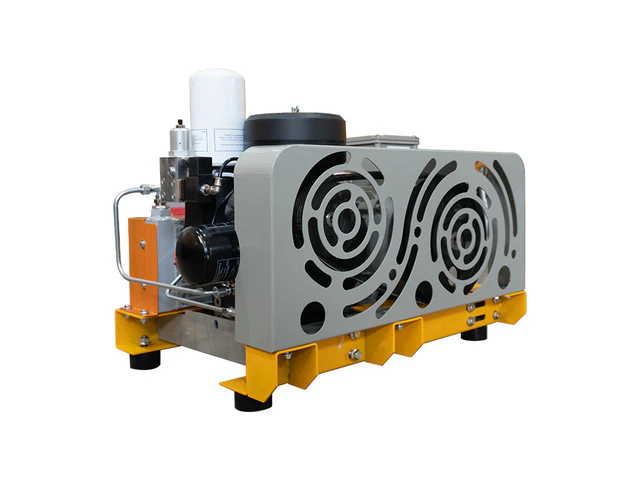
The shift to oil-free air brake compressors is not merely an upgrade; it's a strategic imperative for modern fleets facing complex operational demands and escalating costs. Traditional oil-lubricated systems introduce contaminants that degrade critical components, leading to premature failures, increased maintenance, and costly downtime. Oil-free technology, however, delivers consistently clean air, fundamentally transforming fleet reliability and economic performance. Key Insights: Reduced Component Wear: Eliminates oil contamination that degrades air dryer cartridges, ABS/EBS valves, and air suspension components, extending their lifespan by up to 50%. Enhanced Operational Safety: Ensures precise pneumatic control crucial for advanced driver-assistance systems (ADAS) and autonomous vehicle functionalities, mitigating risks associated with erratic brake responses. Significant TCO Savings: Lowers Total Cost of Ownership through fewer unscheduled repairs, extended maintenance intervals, and reduced hazardous waste disposal costs. Environmental Compliance: Supports cleaner operations by preventing oil mist discharge into the atmosphere and reducing the generation of oil-contaminated waste. Optimized Performance Across Diverse Scenarios: Provides consistent, reliable air supply crucial for stop-and-go urban delivery, sustained long-haul operations, and demanding off-highway applications. This article delves into how oil-free compressors specifically address the unique challenges of varying fleet applications, offering a compelling case for their adoption based on tangible economic and safety benefits.
Oil-free air brake compressors significantly enhance fleet reliability and reduce TCO across urban, long-haul, and demanding operational environments.
Related: clean air systems · commercial fleet operations · total cost of ownership reduction · brake system contamination · extended component life · heavy-duty vehicle performance · air dryer longevity · ADAS reliability · environmental compliance · operational efficiency
Navigating the Urban Jungle: Why Oil-Free is Critical for City Delivery Fleets
Urban delivery fleets face a relentless gauntlet of stop-and-go traffic, frequent braking cycles, and often high humidity environments. These conditions are particularly unforgiving on traditional oil-lubricated air brake compressors. Each brake application requires a fresh charge of air, and with hundreds of stops daily, even minimal oil carryover rapidly degrades air dryer cartridges and contaminates critical valves. Industry analyses suggest that contaminated air systems contribute to a 15-20% premature failure rate for critical pneumatic components like ABS/EBS valves in high-cycle urban operations. This translates directly to increased maintenance costs and, more critically, unscheduled downtime.
An oil-free air brake compressor ensures that only clean, dry air enters the system, dramatically extending the life of air dryers and brake components. For a fleet operating in a humid metropolitan area, this means dryer cartridges, which might typically last 12-18 months with an oil-lubricated system, could see their service life extended by up to 50% or more. This reduction in material and labor costs for dryer replacement alone can save hundreds of dollars per vehicle annually. Moreover, consistent, clean air flow prevents the sluggish or erratic brake response that can arise from oil-fouled valves, enhancing safety in congested urban settings where quick, reliable braking is paramount.
Conquering the Open Road: Reliability for Long-Haul and Regional Carriers
Long-haul and regional carriers operate under different, yet equally demanding, conditions. Their vehicles often run for extended periods at high speeds, traversing diverse climates from scorching deserts to freezing mountain passes. The sustained operation of a traditional compressor can lead to higher temperatures, increasing the likelihood of oil vaporization and carryover into the air system. This not only contaminates air dryers but can also lead to sticky valves and diaphragms within the braking system, compromising performance and increasing the risk of roadside failures far from service centers.
For fleets utilizing advanced driver-assistance systems (ADAS) or automated manual transmissions (AMT), the integrity of the pneumatic system is non-negotiable. Many ADAS features, such as automatic emergency braking and adaptive cruise control, rely on precise and immediate air pressure adjustments. Oil contamination can introduce latency or inconsistencies into these critical responses, potentially undermining the very safety benefits these systems are designed to provide. A study published by the American Trucking Associations (ATA) in 2022 highlighted that unscheduled downtime costs fleets an average of $448 to $760 per day per vehicle, a cost significantly exacerbated when breakdowns occur in remote locations. Oil-free compressors mitigate this risk by providing a pristine air supply, safeguarding the reliability and responsiveness of these advanced systems and significantly reducing the likelihood of costly, remote breakdowns.
Demanding Environments: Construction, Utility, and Off-Highway Fleets
Fleets operating in construction, utility, and other off-highway sectors face perhaps the most challenging environmental conditions. Vehicles in these applications are constantly exposed to dust, dirt, mud, and extreme vibrations. While air filters protect the compressor’s intake, the internal operation of an oil-lubricated compressor can still introduce microscopic oil particles that combine with ambient contaminants to form abrasive sludge. This sludge can accelerate wear on air brake system components, including the air dryer, various pneumatic valves, and even the air suspension system.
In these heavy-duty applications, safety is not just a priority; it’s a critical operational requirement. Equipment like concrete mixers, dump trucks, and utility vehicles often operate on uneven terrain or close to personnel, where precise braking and reliable air tool operation are essential. An oil-free compressor ensures that the air supply remains uncompromised, even when the external environment is harsh. This reduces the frequency of component failures, which could otherwise lead to dangerous situations or significant project delays. Furthermore, the robust design often found in oil-free units can also contribute to better vibration resistance, further enhancing durability in these demanding operational profiles.
The Financial Imperative: TCO Savings Across All Fleet Types
Beyond the operational and safety benefits, the financial case for oil-free air brake compressors is compelling, directly impacting a fleet’s Total Cost of Ownership (TCO). The initial investment in an oil-free unit might be slightly higher than a traditional compressor, but this is quickly offset by substantial long-term savings. The most immediate impact is on maintenance expenses. By eliminating oil contamination, fleets experience:
- Extended Air Dryer Life: As mentioned, dryer cartridges can last significantly longer, reducing replacement frequency by 30-50%. For a large fleet, this represents thousands of dollars annually in parts and labor.
- Reduced Valve Failures: Cleaner air prevents premature wear and sticking of expensive ABS/EBS valves, air suspension valves, and other pneumatic components, cutting down on component replacement costs and associated diagnostic labor.
- Fewer Unscheduled Repairs: The enhanced reliability of the air system translates directly to fewer roadside breakdowns and unscheduled trips to the service bay, avoiding the high costs of towing and lost operational revenue.
- Lower Hazardous Waste Disposal Costs: Oil-lubricated compressors generate oil-contaminated condensate that requires special handling and disposal. Oil-free systems eliminate this hazardous waste stream, reducing environmental compliance costs and simplifying maintenance procedures.
A comprehensive TCO analysis by a major fleet services provider indicated that fleets transitioning to oil-free air brake compressors could realize a 10-15% reduction in overall air system maintenance costs over a five-year period, primarily driven by extended component life and reduced downtime. This economic argument, coupled with the improved safety and reliability across diverse operational scenarios, makes the oil-free air brake compressor a strategic investment for any modern fleet.
Further Reading
Related Reading: Tailored Diesel Air Compressor Fleet Maintenance for Industrial Businesses