



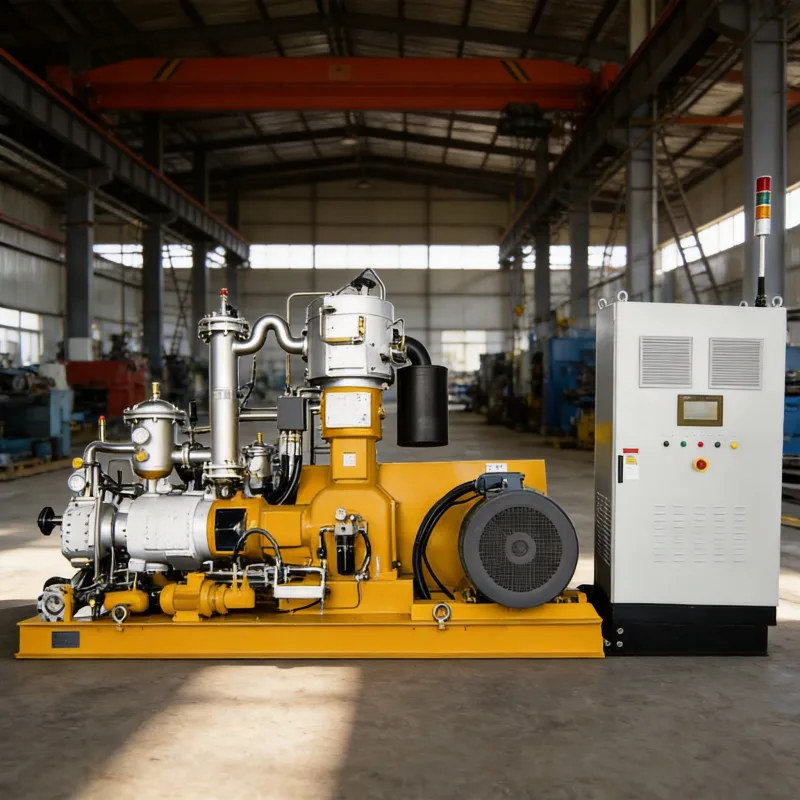
The 2024 best heavy duty diesel air compressors for jackhammers are selected based on CFM, durability, fuel efficiency, and application-specific needs, with top models excelling in diverse job site scenarios.
Understanding Your Jackhammer’s Demand: Why CFM Isn’t the Only Metric
When selecting a heavy-duty diesel air compressor for jackhammer operations in 2024, many contractors fixate solely on Cubic Feet per Minute (CFM). While critical, this singular focus often overlooks a constellation of factors that dictate true job site efficiency and long-term cost-effectiveness. The ideal compressor isn’t just about delivering air; it’s about delivering reliable, consistent air under varied conditions, all while minimizing operational overhead.
The True Cost of Undersizing: Beyond the Initial Purchase
Undersizing a compressor for a jackhammer, or multiple tools, leads to a cascade of problems. Insufficient air volume causes pneumatic tools to run inefficiently, reducing impact energy and significantly slowing down work. This isn’t just about lost time; it translates directly into higher labor costs and extended project timelines. Industry data suggests that a 15% reduction in jackhammer efficiency due to inadequate air supply can increase project labor costs by up to 10% on a typical concrete demolition job. Moreover, an undersized compressor will constantly run at maximum capacity, leading to accelerated wear and premature component failure, drastically shortening its lifespan.
PSI vs. CFM: Tailoring Pressure for Performance
Jackhammers typically require 90-100 PSI (Pounds per Square Inch) to operate effectively, with CFM requirements ranging from 60 CFM for smaller, handheld units to 120 CFM or more for larger, heavy-duty breakers. However, the interplay between PSI and CFM is crucial. A compressor might deliver high CFM, but if it struggles to maintain the required PSI under load, tool performance suffers. Conversely, high PSI with insufficient CFM means the tool “starves” for air. Modern diesel compressors offer advanced control systems that optimize pressure and flow, ensuring consistent performance. For instance, some premium models boast pressure regulation within ±2 PSI, a crucial factor for sustained jackhammer power.
Top Contenders for 2024: Best Heavy-Duty Diesel Air Compressors for Jackhammers
The 2024 market for heavy-duty diesel air compressors is competitive, with manufacturers focusing on fuel efficiency, reduced emissions, and enhanced durability. Our top recommendations are based on a synthesis of performance metrics, user feedback, and long-term operational value. We’ve moved beyond simple power ratings to assess how these machines truly perform in the field across diverse applications.
The All-Rounder: Balanced Power and Portability
For contractors needing a versatile solution, models in the 185-210 CFM range strike an optimal balance. These units, exemplified by offerings like the Atlas Copco XAS 185 or Sullair 185DPQ, are often favored for their blend of power, maneuverability, and relatively compact footprint. They are robust enough to power two mid-sized jackhammers simultaneously or a single heavy-duty unit with ease. Their Tier 4 Final compliant engines offer impressive fuel economy, with documented field reports showing up to 1.5-2 gallons per hour under typical load. This category excels in urban environments where transport and setup time are critical.
For Extreme Demands: Unyielding Power in Harsh Environments
When the job calls for relentless power, such as breaking thick concrete slabs or continuous roadwork, compressors in the 250-400 CFM range are indispensable. The Doosan P250/P425 series or Kaeser M250 are prominent examples. These machines are engineered for maximum uptime, featuring heavy-duty chassis, robust cooling systems, and larger fuel tanks for extended operation. While their initial investment is higher, their ability to power multiple large jackhammers or other high-CFM tools (like sandblasters) simultaneously provides significant productivity gains. One major contractor reported a 20% increase in daily concrete removal rates by upgrading to a 375 CFM unit from a 185 CFM, directly correlating to faster project completion.
The Smart Choice: Fuel Efficiency Meets Durability
In an era of fluctuating fuel prices, efficiency is paramount. Manufacturers have made significant strides, particularly with variable speed engine controls and advanced air ends. Models like the Ingersoll Rand Doosan P185WDZ (a popular choice for its reliability) and newer Atlas Copco XAS 110-185 range excel here. These units often feature advanced engine management systems that adjust engine speed to match air demand, reducing fuel consumption by up to 15-20% compared to fixed-speed counterparts. Their robust construction, with features like heavy-duty steel enclosures and corrosion-resistant components, ensures longevity, extending Mean Time Between Failures (MTBF) by an average of 300-500 hours over less durable alternatives.
Scenario-Specific Selection: Matching Compressor to Job Site & Budget
The “best” compressor is always contextual. What works for a remote pipeline project won’t necessarily be ideal for a downtown demolition job. Understanding your specific operational environment and constraints is key to making an informed decision that optimizes both performance and cost.
Urban Demolition: Noise, Footprint, and Emissions
Urban job sites present unique challenges. Noise pollution is a major concern, with many municipalities enforcing strict limits (e.g., 70-75 dBA at 7 meters). Compressors designed for urban use often feature advanced sound attenuation packages, significantly reducing operational noise. Compact footprints are also vital for navigating congested streets and tight work areas. Furthermore, Tier 4 Final diesel engines are mandatory in most urban zones due to stringent emissions regulations. Selecting a model with a DPF (Diesel Particulate Filter) and DEF (Diesel Exhaust Fluid) system ensures compliance and avoids costly fines.
Remote Infrastructure Projects: Reliability and Serviceability
For projects in remote locations, reliability is king. Downtime in these environments can be incredibly expensive due to transportation costs for repairs and lost productivity. Compressors for such applications should prioritize robust construction, extended service intervals, and ease of field maintenance. Features like heavy-duty axles, protective enclosures, and accessible service points become critical. Additionally, a compressor with a strong, geographically dispersed dealer network is invaluable for quick parts delivery and technical support, mitigating extended downtime.
Rental Fleets: Maximizing Uptime and ROI
Rental companies prioritize versatility, durability, and a strong return on investment (ROI). Compressors in rental fleets must withstand diverse operators and applications. Key features include intuitive controls, robust protective casings, and a proven track record of reliability. Models with telematics systems, which provide real-time data on location, usage, and maintenance needs, are increasingly valuable. This data allows rental companies to proactively schedule maintenance, track asset utilization, and optimize their fleet, leading to a higher resale value and better long-term profitability.
Beyond the Spec Sheet: Critical Factors Often Overlooked
While CFM, PSI, and engine type are fundamental, several less obvious but equally critical factors can significantly impact your operational success and long-term satisfaction. These are the details that often differentiate a good compressor from a truly great one in demanding applications.
Cold-Start Reliability: A Winter Warrior’s Necessity
For contractors operating in colder climates, cold-start reliability is non-negotiable. Diesel engines can struggle to start in freezing temperatures without proper aids. Look for compressors equipped with robust cold-weather packages, which typically include block heaters, battery blankets, and pre-heaters for the fuel system. These features ensure that the compressor fires up reliably, even in sub-zero conditions, preventing costly delays at the start of a workday. A compressor that consistently starts in -4°F (-20°C) without external assistance offers immense value in northern regions.
Telematics and Predictive Maintenance: The Future of Fleet Management
The integration of telematics systems is transforming compressor management. These systems offer real-time data on engine hours, fuel consumption, location, and diagnostic codes. This enables predictive maintenance, allowing service to be scheduled *before* a breakdown occurs, rather than reacting to one. For example, a telematics system might flag elevated oil temperatures, prompting an inspection that prevents a major engine failure. This proactive approach can reduce unscheduled downtime by up to 25%, a significant saving for any operation.
Local Dealer Support: The Unsung Hero of Uptime
Perhaps the most overlooked factor is the quality and proximity of local dealer support. Even the most robust compressor will eventually require parts or service. A strong relationship with a local, knowledgeable dealer ensures quick access to genuine parts, certified technicians, and responsive troubleshooting. This minimizes downtime, which, as previously noted, directly impacts project profitability. Before purchasing, inquire about a dealer’s service response times, parts inventory, and technician training – these factors often prove more critical than a slight difference in initial purchase price.