



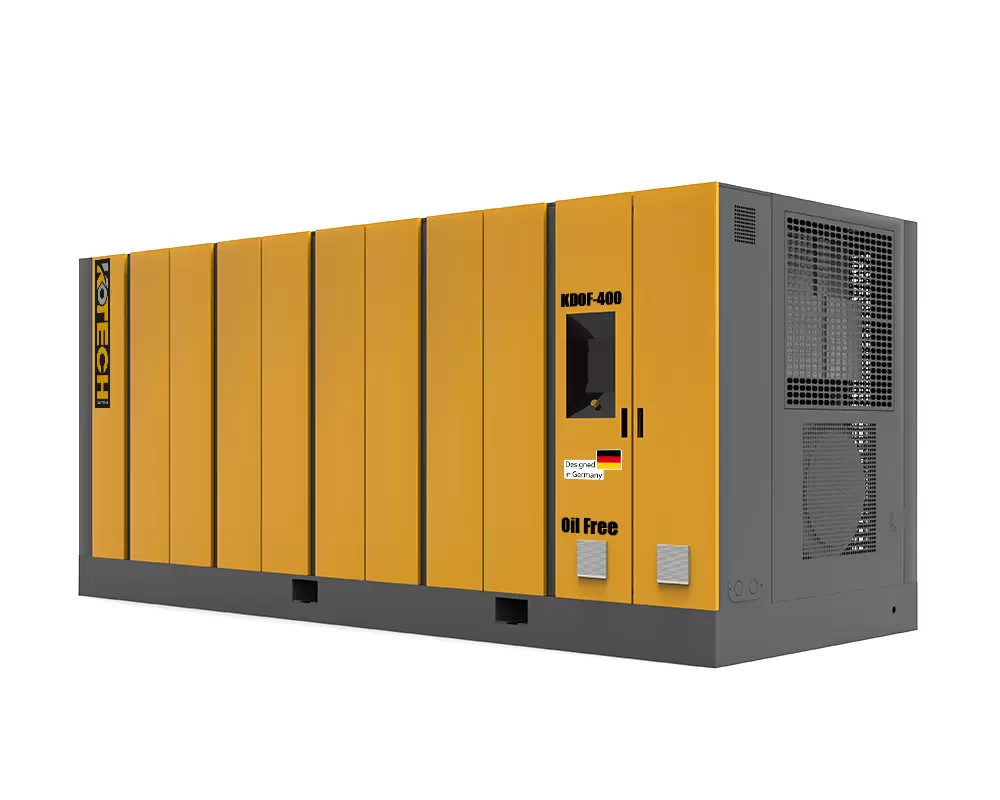
Selecting the best 2024 oil-free durable diesel air compressors requires matching specific operational needs to advanced unit capabilities.
The Evolving Landscape of Oil-Free Diesel Compressors for 2024
The demand for oil-free diesel air compressors in heavy-duty applications is surging, driven by a confluence of stricter environmental regulations and a heightened focus on operational efficiency. The 2024 market is characterized by innovations that directly address the pain points of continuous heavy use: downtime, maintenance costs, and environmental impact. Traditional oil-lubricated compressors, while robust, present challenges with oil carryover, disposal, and the risk of contamination in sensitive applications. Oil-free units eliminate these concerns, offering cleaner air and a reduced ecological footprint.
Industry analyses project a compound annual growth rate (CAGR) of 5-7% for the global oil-free air compressor market through 2028, largely fueled by these regulatory pressures and the tangible long-term savings. New models for 2024 are not just “oil-free”; they integrate advanced materials, intelligent control systems, and enhanced engine technologies to deliver unprecedented durability and reliability. This shift redefines what “heavy use” means, demanding compressors capable of sustained, high-performance output with minimal intervention.
Technological Leaps Defining 2024’s Top Performers
The latest generation of oil-free diesel compressors incorporates several key technological advancements. Foremost among these are sophisticated air-end designs that minimize wear without lubrication, often utilizing specialized coatings or advanced rotor profiles. Engine technology has also seen significant improvements, with many 2024 models featuring EPA Tier 4 Final compliant diesel engines. These engines not only reduce emissions but also offer improved fuel efficiency, directly impacting operational costs for continuous use.
Furthermore, integrated control systems are becoming standard. These systems optimize engine speed and air-end output, ensuring the compressor operates at peak efficiency for the required load. This intelligent management extends component life and reduces fuel consumption by up to 15% compared to older, less integrated models. Such advancements are critical for applications where compressors run for extended periods in harsh conditions.
Identifying Your Operational Needs: Matching Compressors to Continuous Heavy-Duty Scenarios
Selecting the optimal oil-free diesel air compressor for continuous heavy use is less about finding a universally “best” model and more about precise scenario matching. Different heavy-duty applications present unique challenges and requirements. Understanding these nuances is paramount to ensuring both efficiency and longevity.
Compressor Selection for Demanding Construction Sites
Construction sites are perhaps the quintessential environment for continuous heavy use. Here, compressors power jackhammers, sandblasters, concrete pumps, and various pneumatic tools, often running for 8-10 hours daily. Key considerations for this scenario include high CFM (Cubic Feet per Minute) and PSI (Pounds per Square Inch) capabilities, typically ranging from 185-400 CFM at 100-150 PSI. Portability is also crucial, requiring robust trailer-mounted units with heavy-duty axles and tires.
For 2024, the best models for construction emphasize rugged enclosures that resist dust, debris, and impacts. Advanced filtration systems, both for the air intake and the engine, are non-negotiable to prevent premature wear. Furthermore, units with accessible service points and extended service intervals reduce downtime, a critical factor given that unscheduled downtime on a construction site can cost upwards of $5,000 per day in lost productivity.
Oil-Free Solutions for Remote Mining and Quarry Operations
Mining and quarry operations push compressors to their absolute limits. These environments are characterized by extreme temperatures, high dust levels, and remote locations where reliability is paramount. Continuous heavy use here might involve drilling, blasting, and ventilation systems. The required CFM can be significantly higher, often 400-1200 CFM or more, with pressures up to 200 PSI for specialized drilling rigs.
Durability in these settings means corrosion-resistant components, heavy-duty cooling systems capable of handling ambient temperatures exceeding 100°F, and oversized air filters. For 2024, look for models with reinforced chassis and advanced telematics. Telematics allow for remote monitoring of critical parameters like engine temperature, oil pressure (for the diesel engine, not the air-end), and fuel levels, enabling predictive maintenance and reducing the need for frequent on-site inspections in hazardous areas. This can reduce unexpected breakdowns by 15-20% according to recent surveys of heavy equipment operators.
Utility and Road Work: Balancing Portability with Power
Utility service and road construction demand a balance between power and maneuverability. Compressors here support tasks like trenching, pipe laying, fiber optic installation, and asphalt cutting. While continuous, the usage might involve frequent relocation. Typical requirements range from 100-250 CFM at 100-125 PSI.
The 2024 models excelling in this category offer compact footprints and lighter designs without compromising power or durability. Noise reduction technology is increasingly important, especially for urban utility work, with some oil-free diesel units achieving noise levels below 70 dB(A) at 7 meters. Ease of hook-up and detachment, along with intuitive control panels, are key features that enhance operational efficiency for mobile crews.
Top Picks for 2024: Best Oil-Free Durable Diesel Compressors by Application Focus
The “best” oil-free durable diesel air compressors for continuous heavy use in 2024 are those that offer a tailored combination of features for specific applications. Instead of naming specific brands, we focus on the *characteristics* and *types* of compressors that consistently perform well in various demanding scenarios.
For Unyielding Construction Power: Rotary Screw Excellence
For construction, heavy-duty rotary screw oil-free diesel compressors are generally the top choice. Their continuous airflow, typically ranging from 185 to over 400 CFM, makes them ideal for simultaneous operation of multiple tools. Look for models with hardened air-end components, often featuring specialized ceramic or polymer coatings that provide wear resistance without oil. A robust frame and a heavy-gauge steel canopy are essential. Features like an oversized fuel tank for extended run times (10+ hours) and an intuitive control panel with diagnostic capabilities are also critical for maximizing uptime on busy sites.
For Extreme Mining Durability: High-Capacity Twin Screw Designs
In mining and quarrying, high-capacity twin-screw oil-free diesel compressors stand out. These units are engineered for extreme conditions, delivering upwards of 750 CFM at higher pressures (up to 200 PSI) for deep-hole drilling. Key attributes include heavy-duty undercarriages with reinforced axles, advanced multi-stage air filtration systems (pre-cleaners, primary, and safety filters), and robust cooling packages that include oversized radiators and aftercoolers. Many leading 2024 models for this segment also incorporate integrated telematics for remote monitoring and predictive maintenance, a crucial feature for operations in isolated areas.
For Agile Utility & Road Work: Compact & Quiet Portable Units
Utility and road work benefit greatly from compact, portable oil-free diesel compressors, typically in the 100-250 CFM range. These models prioritize maneuverability and reduced noise output. Look for units designed with lightweight yet durable materials, often featuring composite panels or aluminum components. Noise attenuation packages are a must, with modern designs employing advanced acoustic baffling and low-speed fan operation to keep decibel levels below urban limits. Easy access for routine maintenance and a simple, operator-friendly interface are also highly valued, supporting rapid deployment and efficient use across various job sites.
Beyond the Purchase: Maximizing Longevity and ROI of Your Oil-Free Diesel Compressor
The initial investment in an oil-free durable diesel air compressor is significant, making longevity and a strong return on investment (ROI) paramount. This requires a comprehensive approach that extends beyond the purchase decision to include proper maintenance, operational best practices, and leveraging modern technologies.
Strategic Maintenance for Extended Lifespan
While oil-free compressors eliminate the need for oil changes in the air end, the diesel engine still requires regular maintenance. Adhering to manufacturer-recommended service schedules for engine oil, fuel filters, and air filters is critical. For the air end, focus on regular inspection of air filters and desiccant dryers (if applicable) to maintain air purity and prevent internal component wear. Modern 2024 units often feature extended service intervals for key components, reducing the frequency of interventions. Proactive replacement of wear parts, guided by condition monitoring, is far more cost-effective than reactive repairs after a breakdown.
Leveraging Telematics for Predictive Uptime
The integration of telematics in 2024 models is a game-changer for continuous heavy use. These systems provide real-time data on engine parameters, compressor performance, fuel consumption, and location. By analyzing this data, operators can identify potential issues before they lead to failures, enabling predictive maintenance. For instance, a gradual increase in engine temperature or a drop in air pressure might signal a need for filter cleaning or a belt adjustment, preventing a complete shutdown. This predictive capability is vital for maintaining continuous operation in critical applications, significantly boosting uptime and operational efficiency.
Total Cost of Ownership: The Oil-Free Advantage
When evaluating “durability” and “continuous heavy use,” the Total Cost of Ownership (TCO) is a more accurate metric than just the initial purchase price. While oil-free diesel compressors may have a higher upfront cost, they offer substantial savings over their lifespan. These savings come from several areas:
- **Reduced Maintenance:** Elimination of air-end oil changes, reduced filter replacement frequency, and simpler servicing procedures.
- **Eliminated Oil Disposal Costs:** No contaminated oil to dispose of, saving on hazardous waste removal fees.
- **Extended Tool Life:** Cleaner air reduces wear and tear on pneumatic tools and equipment, extending their lifespan.
- **Environmental Compliance:** Avoidance of fines associated with oil spills or contaminated air, which can be significant.
- **Higher Resale Value:** Well-maintained oil-free units often retain higher resale value due to their perceived cleanliness and lower operational costs.
These cumulative savings often make oil-free compressors the more economical choice in the long run for operations demanding continuous heavy use, proving their durability goes beyond mere physical resilience to encompass financial sustainability.
The Future of Heavy-Duty Air Compression: What’s Next?
Looking ahead, the trend for oil-free durable diesel air compressors will continue towards greater autonomy, efficiency, and environmental integration. Expect to see further advancements in hybrid power solutions, leveraging battery technology alongside diesel engines for even greater fuel efficiency and reduced emissions in specific operating modes. Enhanced AI-driven predictive maintenance systems, capable of identifying subtle anomalies and recommending precise interventions, will become standard. The focus will remain on delivering uninterrupted, high-quality compressed air with minimal environmental impact, ensuring that the heavy industries can operate efficiently and responsibly.