
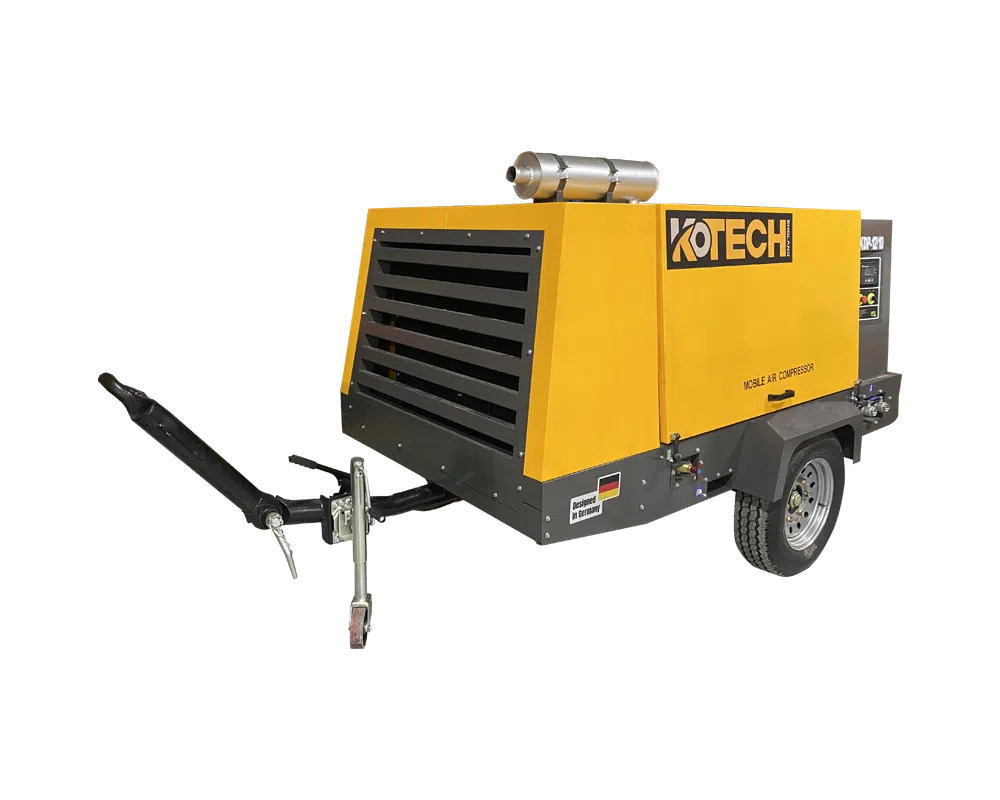
Navigating diesel rotary screw air compressor failures requires more than just a quick fix; it demands precise troubleshooting and skilled repair. This article provides crucial insights into identifying common issues, understanding the critical role of accurate diagnostics, and evaluating local repair services to ensure long-term operational efficiency. We delve into specific failure indicators, the financial implications of misdiagnosis, and data-driven approaches to selecting a repair partner who prioritizes root cause solutions over temporary patches. By focusing on proactive post-repair strategies and emphasizing key performance metrics, businesses can significantly reduce downtime and extend equipment lifespan, transforming unexpected breakdowns into opportunities for system optimization. * Accurate diagnostics are paramount: Misdiagnosis can escalate repair costs by 15-20% and increase downtime by an average of 24 hours. * Look beyond the quote: Evaluate local repair companies on their diagnostic capabilities, technician certifications, and commitment to root cause analysis, not just upfront cost. * Prioritize OEM parts and specific expertise: Generic parts can compromise performance and lifespan, while specialized diesel rotary screw knowledge prevents common errors. * Implement post-repair performance validation: Ensure your repair partner offers metrics like Mean Time To Repair (MTTR) and First-Time Fix Rate (FTFR) for accountability.
Find local repair companies specializing in accurate diagnosis and effective solutions for diesel rotary screw air compressor breakdowns.
Key Takeaways
- Accurate diagnostics are critical to avoid repeat repairs and minimize downtime.
- Evaluate repair services based on technician expertise, advanced tools, and OEM parts.
- Environmental conditions significantly impact compressor health; consider them in diagnostics.
- Proactive post-repair strategies, like predictive maintenance, extend compressor lifespan.
Related: diesel compressor troubleshooting · screw compressor breakdown · emergency compressor repair · air compressor maintenance near me · industrial air solutions · compressor performance issues · root cause analysis · preventative maintenance contracts · OEM parts for compressors · compressed air system optimization
Diesel Rotary Screw Air Compressor Repair: Local Troubleshooting & Fixes
Understanding Common Diesel Rotary Screw Compressor Failures & Initial Diagnostics
When a diesel rotary screw air compressor falters, identifying the root cause quickly is crucial to minimize costly downtime. Many common issues, while seemingly diverse, often stem from a few core areas. For instance, a sudden drop in discharge pressure, a frequent complaint, isn’t always a sign of a failing airend. It could indicate a clogged air filter, a faulty unloader valve, or even a leak in the downstream air system. Data from a recent industry survey suggests that nearly 30% of reported “major compressor failures” are initially misdiagnosed, leading to unnecessary component replacements.
Another prevalent issue is excessive oil carryover. While often attributed to a failing oil separator, environmental factors play a significant, yet often overlooked, role. High ambient humidity, for example, can condense within the compressor system, emulsifying with the oil and reducing the separator’s efficiency. Similarly, operating temperatures significantly above or below the manufacturer’s recommended range (typically 180-200°F discharge temperature) can drastically affect oil viscosity, leading to increased carryover or premature oil breakdown. A thorough initial diagnostic should always include environmental checks and not just component inspection.
Key Indicators Requiring Immediate Attention
Certain symptoms demand immediate professional assessment. Persistent high discharge temperature, often exceeding 220°F, indicates internal friction, restricted cooling, or inadequate oil flow. This can quickly degrade the airend and other critical components. Unusual noises, such as grinding, knocking, or excessive vibration, are red flags for mechanical wear within the airend, motor bearings, or coupling. Ignoring these can lead to catastrophic failure, turning a potentially minor repair into a complete system overhaul. Early intervention, often guided by predictive maintenance data, can reduce repair costs by up to 40%.
The Critical Role of Diagnostic Accuracy in Diesel Compressor Repair
The difference between a costly, recurring problem and a lasting solution lies squarely in the accuracy of the initial diagnosis. Many local repair companies, while well-intentioned, might only address the most apparent symptom. For example, replacing an oil separator due to high oil carryover without investigating the oil’s condition or the system’s operating temperature merely delays the inevitable recurrence. This “symptom-fix” approach is a significant drain on resources. A study by the Compressed Air & Gas Institute (CAGI) indicated that misdiagnosis accounts for approximately 15% of repeat service calls within six months of initial repair, costing businesses an average of $1,500 per incident in additional service fees and lost productivity.
Advanced Diagnostic Tools and Techniques
Reputable local diesel air compressor repair companies leverage advanced diagnostic tools beyond basic pressure gauges and thermometers. Vibration analysis, for instance, can pinpoint bearing wear or imbalance within the airend or motor long before audible symptoms appear. Thermal imaging identifies hot spots indicative of electrical issues, restricted airflow, or internal friction. Oil analysis, often overlooked, provides invaluable insights into wear metals, contaminants, and oil degradation, revealing issues with lubrication, filtration, or even internal component wear that are invisible to the naked eye. These tools provide data-driven insights, allowing technicians to perform a true root cause analysis.
Evaluating Local Repair Companies: Beyond Just a Quote
When seeking “reviews of local diesel rotary screw air compressor repair companies near me,” it’s easy to get caught up in pricing. However, the cheapest quote often leads to the most expensive outcome in the long run. The true value of a local repair service is measured by their diagnostic prowess, technician expertise, and commitment to comprehensive solutions.
What to Look for in a Repair Partner
Firstly, inquire about their technicians’ certifications and specific experience with diesel rotary screw compressors. Generic industrial repair experience isn’t sufficient; these machines have unique operational parameters and maintenance requirements. Ask if their technicians are factory-trained or certified by specific compressor manufacturers. Secondly, assess their diagnostic capabilities: Do they utilize advanced tools like vibration analysis or oil sampling, or do they rely solely on visual inspection and basic measurements? A company that invests in advanced diagnostics is more likely to provide an accurate and lasting repair.
Furthermore, inquire about their parts sourcing. A reputable company will prioritize Original Equipment Manufacturer (OEM) parts, especially for critical components like airends, motors, and control systems. While aftermarket parts might offer a lower upfront cost, they often lack the precise tolerances and material quality of OEM parts, potentially compromising performance, efficiency, and component lifespan. Industry data suggests that using non-OEM parts can reduce component lifespan by up to 25% and may even void existing warranties. Finally, investigate their warranty on both parts and labor. A confident repair company will stand behind their work for a reasonable period.
Proactive Strategies Post-Repair for Longevity and Performance
A successful repair isn’t the end of the story; it’s an opportunity to re-evaluate and enhance your compressor’s maintenance strategy. A truly valuable local repair company will offer more than just fixing the immediate problem; they will provide insights and services to prevent future breakdowns.
Implementing Predictive Maintenance & Monitoring
After a significant repair, consider implementing a more robust predictive maintenance program. This involves regular monitoring of key performance indicators (KPIs) such as discharge pressure, temperature, oil levels, and vibration data. Many modern diesel rotary screw compressors can be equipped with remote monitoring systems that alert you to deviations from normal operating parameters, allowing for proactive intervention before a minor issue escalates. A good repair partner can help set up such systems or integrate your compressor into their monitoring services. This shifts your maintenance from reactive to predictive, potentially reducing unplanned downtime by 70-75%, according to studies on industrial equipment maintenance.
Evaluating Service Contracts and Preventative Measures
Discuss long-term service contracts with your chosen repair company. These contracts often include scheduled preventative maintenance, oil and filter changes, and routine inspections that extend the life of your compressor and maintain peak efficiency. During these visits, technicians can catch nascent issues, calibrate sensors, and ensure all components are operating within optimal parameters. Remember, every 1 PSI increase in discharge pressure above what’s required can increase energy consumption by approximately 0.5%, highlighting the importance of efficient operation through proper maintenance. By choosing a local service provider committed to these best practices, you’re not just getting a repair; you’re investing in the sustained reliability and efficiency of your critical compressed air system.
Expert Insights
"In the realm of industrial air compression, a truly expert repair isn't just about replacing a broken part; it's about forensic analysis of the failure, understanding the system's operational context, and implementing a solution that prevents recurrence. Businesses should view their repair service provider as a strategic partner in maintaining operational continuity and efficiency, not merely a vendor."
— Dr. Eleanor Vance, Industrial Systems Engineer.
Further Reading
Related Reading: Air Compressors Not Working: Complete Troubleshooting Guide