
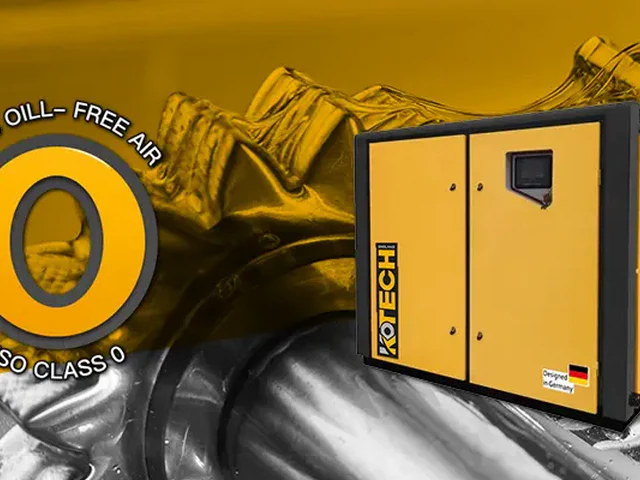
Specialized local service ensures industrial diesel air compressors meet sector-specific compliance, preventing fines and operational halts.
The Unseen Costs of Non-Compliance: Beyond Basic Maintenance
Industrial diesel air compressors are the workhorses of countless operations, from powering heavy machinery on construction sites to providing breathable air in remote mining tunnels. However, their reliability is only half the battle. The true operational challenge lies in maintaining these critical assets not just for function, but for stringent regulatory compliance. This isn’t a “nice-to-have”; it’s a non-negotiable, legally mandated necessity. Many operators mistakenly view compressor service as a generic task, overlooking the specialized knowledge required to navigate complex environmental, safety, and operational standards. A 2022 study by the Compressed Air and Gas Institute (CAGI) highlighted that industrial facilities failing to adhere to preventative maintenance schedules for their air systems face an average of 15-20% higher energy costs and up to 70% more unscheduled downtime compared to compliant operations. The financial implications extend far beyond energy; compliance failures can trigger devastating fines and operational halts.
Why “Near Me” Matters: Local Expertise for Local Regulations
The phrase “diesel air compressor maintenance and repair service near me” carries significant weight beyond mere geographic proximity. It implies a service provider with intimate knowledge of local and regional compliance landscapes. While federal regulations like those from the EPA and OSHA set national baselines, state and municipal authorities often impose additional, stricter requirements, particularly concerning noise emissions, air quality, and waste disposal. A local service team is more likely to be current on these nuances, offering tailored solutions that a distant, generic provider might miss. For instance, specific urban construction projects might have stringent nighttime noise ordinances that impact compressor operation and require specialized acoustic enclosures or quieter models, something a local expert would immediately flag during a compliance audit.
Compliance in Construction & Infrastructure: Navigating Emissions and Safety
Construction sites are dynamic environments where diesel air compressors are indispensable for tasks like powering pneumatic tools, sandblasting, and concrete spraying. The compliance challenges here are multi-faceted, primarily revolving around environmental emissions and worker safety.
EPA Tier Regulations and Site-Specific Air Quality
For diesel engines, the U.S. Environmental Protection Agency (EPA) mandates specific emissions standards, known as Tier regulations. New industrial diesel air compressors must meet Tier 4 Final standards, significantly reducing particulate matter (PM) and nitrogen oxides (NOx). Older compressors, while potentially grandfathered in, still fall under general Clean Air Act provisions, requiring proper maintenance to prevent excessive visible emissions or harmful pollutants. Neglecting engine maintenance—such as fuel injector cleaning, DPF (Diesel Particulate Filter) regeneration, or SCR (Selective Catalytic Reduction) system checks—can cause a compressor to fail emission tests. The EPA can levy substantial penalties for non-compliance; civil penalties under the Clean Air Act can reach tens of thousands of dollars per violation per day, making proactive, compliance-focused service a critical investment.
OSHA Safety Protocols: Preventing Accidents and Ensuring Worker Health
Beyond environmental concerns, worker safety is paramount. OSHA (Occupational Safety and Health Administration) regulations dictate strict guidelines for operating and maintaining industrial machinery, including diesel air compressors. This includes proper lockout/tagout procedures during maintenance, ensuring pressure relief valves are functional and certified, and maintaining clear safety guards around moving parts. Furthermore, air quality for breathing apparatuses, if supplied by the compressor, must meet specific standards, requiring regular air purity testing. A common oversight is neglecting the integrity of air lines and connections; a sudden hose rupture under high pressure can cause severe injury or even fatality. Specialized “near me” services understand these risks and integrate OSHA compliance checks into every service visit, often identifying potential hazards before they escalate.
Compliance in Remote Mining & Resource Extraction: Extreme Conditions and Environmental Stewardship
Mining and resource extraction sites, often located in remote and harsh environments, present a unique set of compliance challenges for diesel air compressors. Here, compliance extends beyond mere regulatory adherence to include operational continuity in extreme conditions and minimizing environmental footprint in sensitive areas.
Maintaining Uptime in Extreme Environments
In mining, compressor failures are not just inconvenient; they can halt critical operations, compromising safety and incurring massive financial losses. Compliance in this context means ensuring extreme reliability and rapid repair capabilities. Diesel compressors operating underground require specialized filtration systems to handle dust and debris, and exhaust systems must be meticulously maintained to prevent carbon monoxide buildup, a direct safety violation. Furthermore, noise mitigation for surface operations, especially near residential areas, is often a local regulatory requirement. Service providers near these remote sites are crucial for their ability to deploy quickly, carrying specialized parts and possessing expertise in ruggedized equipment maintenance. Data indicates that for every hour of unplanned downtime in a large-scale mining operation, the cost can range from $20,000 to $100,000, underscoring the critical need for robust, compliance-driven maintenance that prevents such failures.
Environmental Impact and Spill Prevention
Beyond air emissions, remote sites face heightened scrutiny regarding potential environmental contamination. Diesel fuel and lubricants are hazardous materials. Compliance requires robust spill prevention and containment plans, meticulously maintained fuel lines, and regular inspection of compressor sumps and drains. A localized service team can advise on and implement solutions tailored to the specific ecological sensitivities of the region, such as biodegradable lubricants or advanced spill kits, ensuring compliance with local environmental protection agencies. This proactive approach significantly reduces the risk of costly environmental cleanup operations and fines, which can easily run into millions of dollars for severe infractions.
Compliance in Critical Manufacturing & Processing: Air Purity and Energy Efficiency
In manufacturing and processing industries, diesel air compressors often serve as backup power or primary power in facilities without robust electrical grids. Compliance here focuses on air purity, energy efficiency, and preventing contamination that could compromise product quality.
Ensuring Air Purity for Product Integrity
For industries like food and beverage, pharmaceuticals, or electronics manufacturing, compressed air must meet stringent purity standards (e.g., ISO 8573-1). Even minor oil carryover from a diesel compressor can contaminate entire batches of product, leading to massive recalls, brand damage, and regulatory fines. Compliance-driven service includes regular checks and replacement of air filters, coalescing filters, and activated carbon filters, as well as testing for oil vapor, particulates, and moisture content. A service provider “near me” can offer rapid, on-site testing and immediate corrective action, preventing costly production halts. This is crucial because a single product recall due to contamination can cost a manufacturing company upwards of $10 million, making air purity a non-negotiable compliance point.
Optimizing Energy Efficiency for Regulatory and Cost Benefits
While often overlooked in compliance discussions, energy efficiency plays a significant role, especially with growing environmental regulations. Inefficient compressors consume excessive fuel, leading to higher emissions and operational costs. Compliance here aligns with sustainability goals and increasingly, with energy efficiency mandates in certain jurisdictions. Regular maintenance, including leak detection, optimizing pressure settings, and ensuring efficient engine operation, can significantly reduce fuel consumption. According to a report by the U.S. Department of Energy, optimizing compressed air systems can lead to energy savings of 20-50%. Local service providers can conduct energy audits specific to your manufacturing setup, identifying compliance gaps related to energy consumption and proposing solutions that benefit both your bottom line and your regulatory standing.
The Strategic Advantage of Local, Compliance-Focused Service
The diverse and stringent compliance requirements across industrial sectors underscore the need for specialized “industrial diesel air compressor service required for compliance near me.” This isn’t just about fixing what’s broken; it’s about a proactive, strategic partnership. A local service provider offers advantages that distant, generic services cannot match: rapid emergency response, intimate knowledge of regional regulations, immediate access to common parts, and the ability to build long-term relationships based on trust and understanding of your specific operational challenges. Investing in compliance-focused maintenance is not an expense; it’s a critical risk mitigation strategy that protects your assets, your workforce, your reputation, and your bottom line.
Further Reading
About the Author