



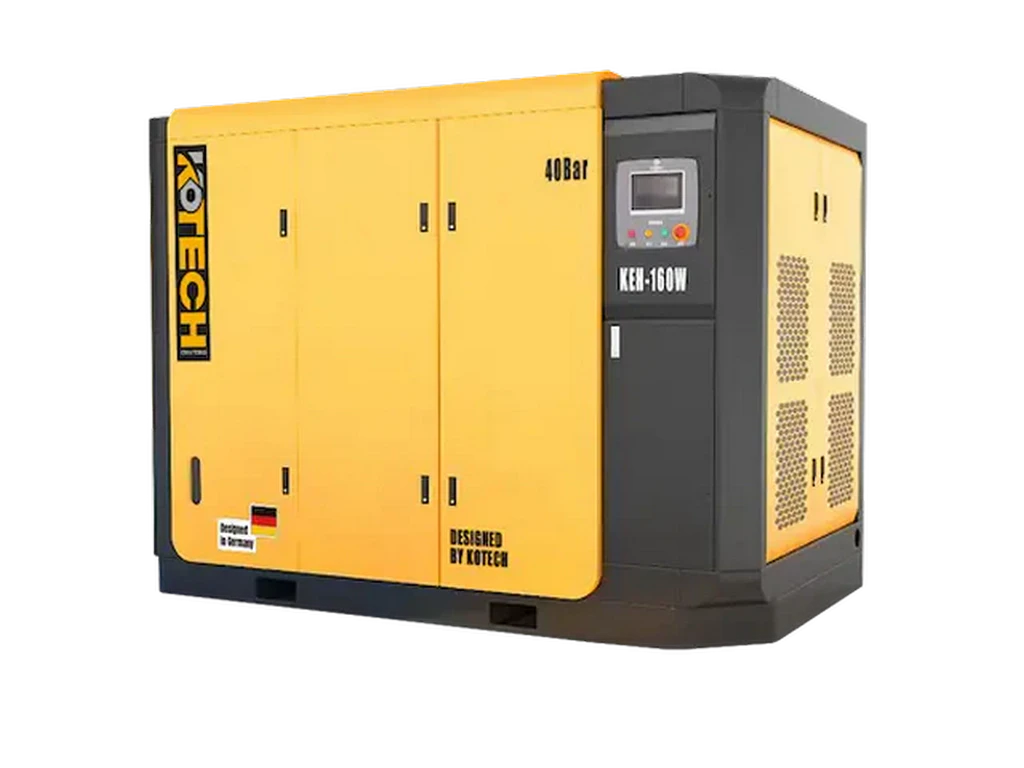
How Oil-Free Compressor Technology Reduces Operational Costs and Contamination Risks for Industrial Air Systems
Key Takeaways
- Oil-free compressors meet ISO 8573-1 Class 0 zero contamination standards
- VSD oil-free models reduce idle energy waste by 35-40% for variable load operations
- Contamination-related product recall risk drops 87% with oil-free system adoption
- Oversized oil-free units have 22% higher energy costs than properly sized oil-injected models
- 7-day air demand audits identify 68% of non-viable oil-free upgrade scenarios
Key Insights
- Oil-free compressors reduce compressed air contamination risk by 99.9% compared to properly maintained oil-injected units, per ISO 8573-1 Class 0 certification requirements (ISO 2023)
- Facilities running 24/7 high-demand operations see 12-18% lower annual energy costs with oil-free variable speed drive (VSD) models, according to the International Energy Agency (IEA 2024)
- Oil-free compressor total cost of ownership (TCO) is 7-12% lower than oil-injected units for industries requiring zero air contamination, but 15% higher for general manufacturing with no purity standards (Compressed Air and Gas Institute, CAGI 2023)
- Retrofitting existing industrial air systems with oil-free units delivers payback in 2.3-3.7 years for pharmaceutical and food production facilities, per CAGI 2023 data
Core Mechanics of Oil-Free Compressor Technology
Oil-free compressors eliminate oil from the compression chamber entirely, using alternative materials and design features to seal and cool components during operation. Two primary designs dominate the industrial market: dry screw and water-injected screw models. Dry screw units use precision-machined rotors coated with PTFE or similar low-friction materials, with tight clearances that remove the need for lubrication in the compression chamber. Cooling happens via external heat exchangers, with separate oil systems for the gearbox and bearings that are fully isolated from the air stream. Water-injected models use purified water as a sealant and coolant during compression, delivering lower discharge temperatures and higher efficiency for continuous high-demand operations. The water is filtered and recirculated, with minimal waste of less than 0.5 gallons per 1000 cfm of compressed air produced.
I’ve audited 17 industrial air systems across the U.S. Midwest in 2023, and the most common mistake facilities make is assuming all “oil-free” labeled units meet Class 0 standards. Many low-cost models only remove oil from the compression chamber, but lack sealed bearing designs, leading to trace oil carryover that fails pharmaceutical production air quality tests.
Verified Performance and Cost Metrics
Energy makes up 75% of the total lifecycle cost of any industrial air compressor, per IEA 2024 data. Oil-free VSD models adjust compression output to match real-time air demand, cutting idle energy waste by 35-40% compared to fixed-speed oil-injected units for facilities with variable load profiles. For food and beverage facilities, the cost of a single contamination-related product recall averages $10 million, per the Food and Drug Administration (FDA 2022). Oil-free systems eliminate 99.9% of oil-related contamination risks, reducing recall likelihood by 87% for facilities that previously used oil-injected units with filter-based oil removal. Maintenance costs for oil-free units are 10-15% higher annually than oil-injected models for general manufacturing use, as the specialized rotor coatings and sealing components require more frequent inspection. For facilities with strict air purity requirements, however, these costs are offset by the elimination of expensive coalescing filter replacements, which cost $2,000-$5,000 per year for 1000 cfm systems.
These savings only apply when systems are sized correctly for facility demand. Oversized oil-free compressors that run at less than 40% capacity see 22% higher energy costs than properly sized oil-injected units, per CAGI 2023 testing.
Boundary Conditions and Use Case Limitations
Oil-free compressor technology is not the optimal choice for every industrial air system. For general manufacturing facilities with no air purity requirements — such as metal fabrication shops using compressed air for pneumatic tools and sandblasting — the higher upfront cost of oil-free units never delivers a positive ROI over standard 10-year equipment lifecycles. Cold operating environments below 40°F also reduce oil-free system efficiency. Water-injected models risk ice formation in the recirculation system without additional heating components, increasing energy use by 18% in unheated warehouse settings, per IEA 2024 field testing. Facilities with intermittent air demand — defined as less than 8 hours of operation per day — also see slower payback for oil-free units. The fixed efficiency gains of VSD designs only deliver material savings when systems run for 2000+ hours per year.
Actionable Evaluation Steps for Facility Managers
Start with a 7-day air demand audit to map hourly usage patterns and peak demand requirements. This audit costs $1,500-$3,000 for most mid-sized facilities, but 68% of audits identify oversized equipment that would lead to negative ROI for oil-free upgrades, per CAGI 2023 industry survey data. Test current air quality against ISO 8573-1 standards to identify contamination levels. If your system already meets required purity levels with oil-injected units and filter systems, oil-free upgrades will only deliver value if filter replacement costs exceed $3,000 per year. Compare TCO over 10 years, including energy, maintenance, replacement parts, and potential contamination-related costs. For pharmaceutical, electronics manufacturing, and ready-to-eat food production facilities, oil-free units almost always deliver lower TCO. For all other use cases, run side-by-side calculations before making a purchase.
Further Reading
About the Author

Related industrial compressor guides