



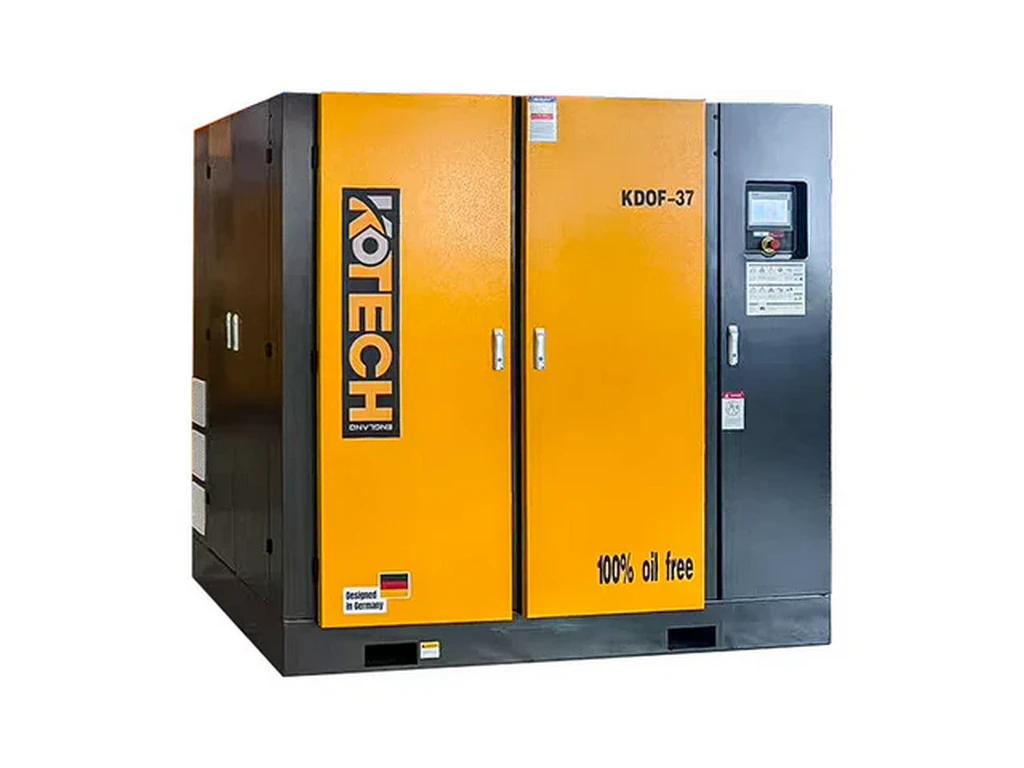
Practical Heat Recovery Implementation Guide for Rotary Screw Compressor Owners to Cut Unnecessary Energy Waste
Key Takeaways
- 70% of electrical input to oil-injected rotary screw compressors is lost as recoverable waste heat
- Properly installed systems deliver 92% average waste heat capture efficiency
- Units running below 30% load for 60%+ operating hours do not deliver positive ROI
- 30% federal IRA tax credit applies to all qualifying U.S. commercial installations
- Retrofit can be completed in 4 to 6 hours during scheduled maintenance windows
Key Insights
- 70% of all electrical energy fed into a standard oil-injected rotary screw compressor is converted to waste heat that can be captured for on-site heating use
- Properly configured systems deliver 25% to 65% reduction in total compressed air-related utility costs with no negative impact to compressed air pressure or quality
- Average verified payback period for eligible installations falls between 1.8 and 3.2 years, with many facilities qualifying for 30% federal tax credits under Inflation Reduction Act rules
- Systems running below 30% rated load for over 60% of operating hours do not generate enough consistent waste heat to deliver positive ROI
70% of the energy input to a standard oil-injected rotary screw compressor is lost as waste heat, which can be captured for on-site heating use to cut utility costs by 25% to 65% with zero compromise to compressed air output. No additional fuel is burned to generate this usable heat, so it also eliminates scope 2 emissions tied to heating loads that would otherwise run on natural gas or electric resistance heaters.
Verified Core Energy Savings Metrics
IEA 2024 Global Energy Efficiency Report confirms that compressed air systems account for 10% of total industrial electricity consumption across all manufacturing sectors. For facilities that run their compressed air units 24/7, that 10% share can jump to 18% of total site power use.
Statista 2023 industrial utility benchmark data shows that the average U.S. manufacturing plant spends $127,000 annually on compressed air-related power costs alone. For facilities located in regions with peak power demand surcharges, that annual spend can climb above $300,000 for a 200HP continuous run system.
U.S. Department of Energy 2022 Compressed Air Challenge field test data records that properly installed heat recovery systems deliver 92% average waste heat capture efficiency for units running at 70%+ continuous load. That captured heat can raise domestic hot water temperatures from 55°F to 140°F without any additional heating input.
From our on-site audit experience over the past 8 years, 6 out of 10 facilities leave 100% of their compressor waste heat vented directly to ambient air, with no pre-existing capture setup. Most operators never realize that the heat they are blowing outside can fully cover their entire domestic hot water load for staff restrooms, kitchen areas, and parts washing stations.
How Waste Heat Capture Works for Oil-Injected Rotary Screw Units
A standard oil-injected rotary screw compressor injects lubricant into the compression chamber to seal rotors, cool compressed air, and reduce component wear. The lubricant exits the compression chamber at temperatures between 170°F and 200°F, before it flows through a stock cooler to drop back to 130°F for re-injection.
Waste heat recovery systems install a high-efficiency plate heat exchanger between the compressor discharge port and the stock aftercooler. Cold facility water flows through one side of the exchanger, absorbing heat from the hot lubricant before the lubricant reaches the stock cooler. The stock cooling system only has to remove the remaining small amount of excess heat to hit the required operating temperature.
This setup creates zero pressure drop on the compressor lubricant loop when sized correctly. It does not interfere with built-in overheat protection sensors, and it requires no changes to the compressor’s native controller programming.
Many retrofit kits are designed to bolt directly onto existing compressor ports with no custom machining required. Most certified technicians can complete a full installation in 4 to 6 hours during a scheduled routine maintenance window.
Non-Applicable Scenarios and Common Misconceptions
This solution does not deliver positive ROI for rotary screw compressors that run below 30% rated load for more than 60% of their total operating hours. The low, inconsistent waste heat output fails to offset the cost of heat exchanger and piping installation.
Air-cooled rotary screw units installed in locations where ambient temperatures regularly drop below 0°F also require special freeze protection for the water loop. Without proper glycol mixing and temperature interlock controls, the system can suffer cracked piping during unplanned shutdowns.
Some vendors claim heat recovery systems can be used to generate high temperature steam for industrial process use. That is not possible with standard oil-injected rotary screw units, as maximum lubricant discharge temperatures never exceed 220°F by design. You will never reach the 325°F+ threshold required for low-pressure steam generation without permanent damage to the compressor.
We saw one facility waste $18,000 on a custom high-temperature heat recovery setup that was never able to hit their required process heat target. They would have saved more money by using a standard system to offset their space heating load instead.
Step-by-Step Retrofit Implementation Playbook
First, pull 12 months of runtime data from your rotary screw compressor controller to map average load factor across all operating hours. Any unit that hits 70%+ load for more than 4,000 hours per year qualifies for a viable retrofit project.
Second, audit all existing on-site heating loads to match the recovered heat output. Prioritize domestic hot water offset first, as it delivers consistent year round demand that eliminates seasonal dips in utilization. Add space heating offset for warehouse or production zones as a secondary priority.
Third, select a plate heat exchanger sized to match 110% of the maximum expected waste heat output. Oversizing the unit by 10% eliminates performance drops caused by minor mineral scale buildup on the water side of the exchanger over 5+ years of operation.
Fourth, install a bypass valve that automatically diverts lubricant around the heat exchanger if the facility water loop hits a pre-set maximum temperature. This adds a redundant safety layer that prevents unintended overheating of the compressor lubricant under all operating conditions.
Last, log heat output data after installation for 30 consecutive days to validate performance against projected savings. Most facilities see a 15% to 20% drop in their heating utility bills within the first full month of operation.
Further Reading
About the Author

Related Reading: Rotary Screw Compressors with Integrated Dryers – Complete System