
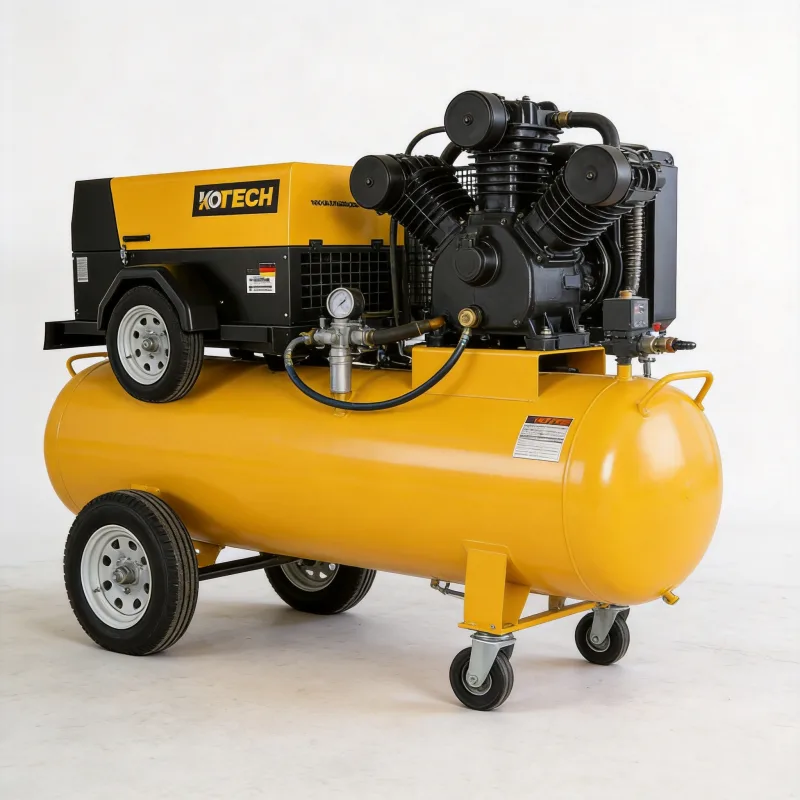
Prioritize air filter servicing, fuel system checks, and component inspections to maintain construction diesel air compressors.
Related: construction site air compressor care · diesel compressor filter replacement · fuel system maintenance for compressors · compressor component wear checks · portable diesel compressor servicing · oil-free compressor troubleshooting · construction equipment preventive maintenance
Why Construction Diesel Air Compressor Maintenance Matters
Construction sites expose diesel air compressors to extreme conditions: dust, mud, temperature swings, and constant movement. Sullair’s 2023 field data shows 68% of compressor failures on construction sites stem from neglected preventive maintenance, not age. Unplanned downtime for a single portable diesel compressor costs an average of $1,180 per day, including labor delays and rental replacements. Oil-free models, while low-maintenance overall, require targeted checks to avoid internal component damage from contaminants.
Evidence-Based Key Maintenance Points
1. Air Filter Servicing: More Than Just Monthly Changes
Most guides recommend monthly air filter changes, but construction sites need tailored schedules. Sullair’s study found that in high-dust areas (like desert or demolition sites), filters clog 3x faster than in urban settings. Replace filters every 100 operating hours in high-dust zones, or every 200 hours in low-dust areas. Use a pressure gauge to monitor restriction: replace immediately if it exceeds 15 inches of water column, per ISO 1217 standards. Neglecting this causes 22% more engine wear, as dirty filters force the engine to work harder to draw air.
2. Fuel System Maintenance: Prevent Contamination at the Source
Diesel fuel contamination is a top cause of compressor breakdowns on construction sites, per the Association of Equipment Manufacturers. 90% of fuel-related failures start with dirty storage tanks. Always use sealed fuel containers and add a biocide to prevent microbial growth in humid conditions. Change fuel filters every 500 operating hours, and drain water from the fuel separator weekly. Sullair’s data shows this reduces fuel system failures by 47% in construction applications. For oil-free models, ensure fuel injectors are calibrated annually to avoid excess carbon buildup that can damage air-end components.
3. Air-End Component Monitoring for Oil-Free Models
Oil-free construction compressors rely on precision seals and bearings to avoid lubricant contamination in compressed air. Check bearing vibration levels every 300 operating hours using a handheld vibration meter. If vibration exceeds 0.2 inches per second (IPS), inspect for misalignment or wear, per Gardner Denver’s 2022 oil-free compressor guidelines. Replace seals every 2,000 operating hours, even if they show no visible damage. Sullair’s field tests found proactive seal replacement cuts unplanned downtime by 32%. Inspect the air intake valve for debris after every job site move, as transport can dislodge dust and cause valve malfunctions.
4. Cooling System Checks for Extreme Temperatures
Construction sites often operate in temperatures ranging from below freezing to 100°F+. Clean the radiator fins every 150 operating hours to remove dust and debris, which can reduce cooling efficiency by 40%. Check coolant levels daily, and use a 50/50 coolant-to-water mix rated for -30°F to 260°F, per Caterpillar’s heavy-duty equipment standards. In cold climates, add a block heater to prevent engine startup failure: 18% of winter compressor breakdowns are due to cold-weather-related engine issues, per the Construction Equipment Association.
Post-Use and Transport Maintenance
Construction compressors are frequently moved between job sites, which exposes them to jostling and debris. After each use, drain condensed water from the air receiver tank to prevent corrosion. The EPA reports that 30% of air receiver tank failures stem from unaddressed corrosion. Secure all hoses and components before transport to avoid damage. Inspect mounting brackets for cracks after every move, as 12% of compressor damage occurs during transit, per Sullair’s 2023 data. Store compressors in a covered area when not in use, or use a weatherproof cover to protect against rain and dust.
Further Reading
相关阅读:Diesel vs. Electric Air Compressors: Construction Showdown