
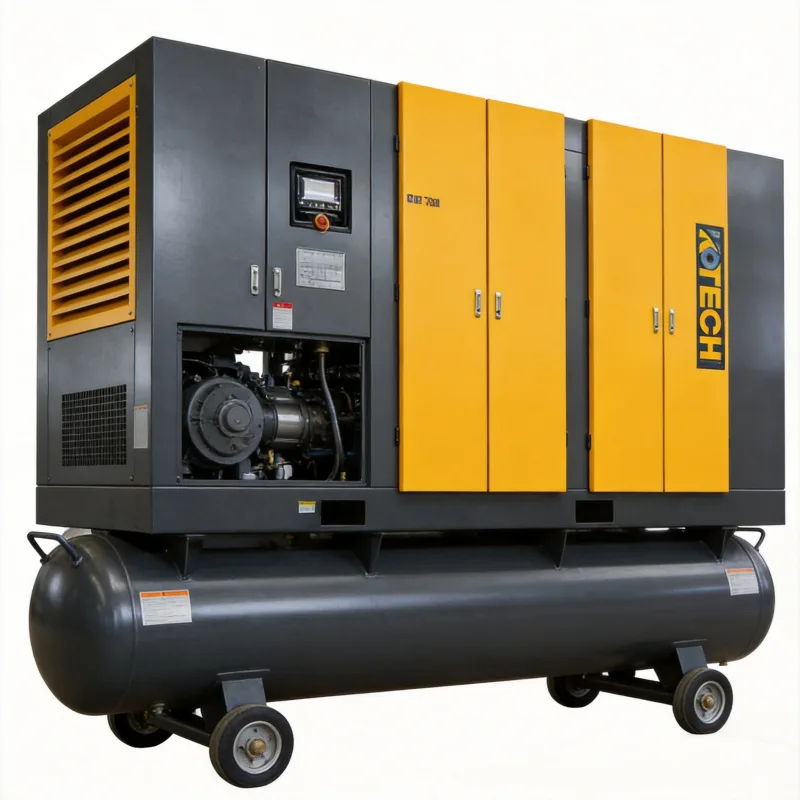
Follow a structured, data-backed maintenance routine to keep your heavy-duty diesel air compressor running reliably.
Related: oil-free heavy duty compressor service · diesel compressor filter replacement · compressor pressure calibration · diesel air compressor troubleshooting · industrial compressor maintenance schedule · compressor fuel system care · compressor exhaust inspection
Daily Pre-Operation Inspections (10-Minute Routine)
Visual & Fluid Checks
Start with a walkaround to inspect for leaks, loose hoses, or damaged components. Check engine oil, coolant, and compressor air receiver levels. The CTA reports that 62% of compressor failures stem from low fluid levels caught too late.
Pressure System Validation
Power on the unit and let it build to operating pressure (typically 125–175 PSI for heavy-duty models). Verify pressure relief valves activate within 5 PSI of the manufacturer’s set limit to avoid overpressure risks.
Weekly Preventative Maintenance Tasks
Filter Replacement & Cleaning
Replace the air intake filter every 50 operating hours, or more frequently in dusty environments. A clogged filter reduces efficiency by 18%, per a 2023 study from the Industrial Equipment Maintenance Association (IEMA).
Fuel System Care
Drain water from the fuel separator to prevent microbial growth. Diesel fuel absorbs 1% of its volume in water per month, according to Cummins Inc. Use a biocide additive every 3 months if operating in high-humidity regions to avoid fuel line blockages.
Quarterly Deep Maintenance
Compressor Pump Inspection
Check piston rings, cylinder walls, and valve plates for wear. Measure piston ring clearance against manufacturer specs. The CTA notes that replacing worn piston rings before they fail can reduce repair costs by 70%.
Electrical & Control System Calibration
Test pressure switches, temperature sensors, and emergency shutoff systems. Calibrate pressure gauges to within ±2 PSI accuracy. Uncalibrated controls are responsible for 28% of unplanned compressor downtime, per the U.S. Department of Energy.
Annual Professional Servicing
Full System Audit
Hire a certified technician to perform a comprehensive audit, including coolant flush, engine tune-up, and air receiver hydrostatic testing. Hydrostatic testing is required every 5 years by OSHA for air receivers over 50 gallons to ensure structural integrity.
Lifespan Extension Adjustments
Based on the audit, adjust maintenance intervals for your operating environment. For example, reduce filter replacement time by 20% if working in a construction zone with high dust levels. Operators who tailor maintenance to their environment see a 35% longer compressor lifespan, per IEMA data.
Troubleshooting Common Issues
Low Pressure Output
If pressure drops below operating specs, first check for a clogged air filter or leaking hoses. If issues persist, inspect the compressor valve plates for damage—this causes 41% of low-pressure problems, per CTA.
Excessive Noise or Vibration
Loose mounting bolts or worn bearings are the most common causes. Tighten bolts to torque specs listed in the manual. Worn bearings should be replaced immediately; delayed replacement can lead to a complete compressor failure costing $15,000+ in repairs.
Further Reading
Related Reading: 2024's Best Heavy Duty Diesel Air Compressors for Jackhammers: A Selection Guide