
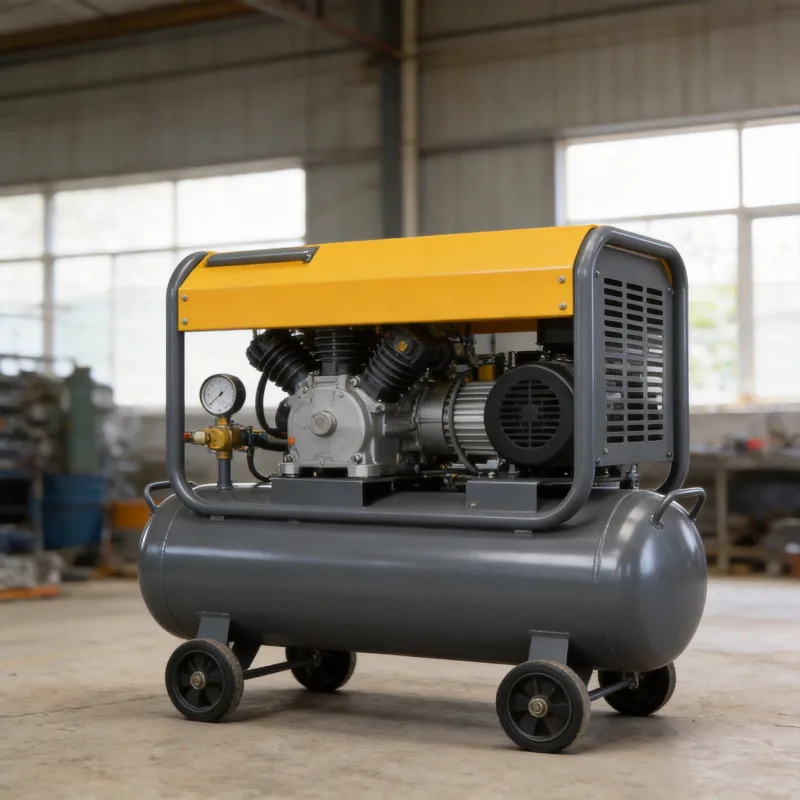
Considering a diesel air compressor for home pipeline pressure testing might seem like a robust solution, but it's often a significant misstep. Industrial diesel units, designed for heavy-duty construction and large-scale projects, are fundamentally mismatched with the nuanced requirements, safety protocols, and environmental considerations of a residential setting. This article dissects the core reasons why these powerful machines are inappropriate for most home pipeline testing scenarios, offering vital insights into safer, more cost-effective, and practical alternatives. We’ll explore the specific pressure demands of residential gas, water, and drainage systems, revealing that typical home testing requires precision and lower pressures, not the brute force of a diesel compressor. * **Industrial Diesel Compressors are Overkill for Home Use**: Their high pressure, large volume, and significant operational demands far exceed residential pipeline testing needs. * **Significant Safety Risks**: Noise, exhaust fumes, and potential over-pressurization pose serious hazards in residential environments. * **Cost-Ineffective**: Renting or purchasing these units incurs substantial expenses for fuel, transportation, and specialized operation, outweighing any perceived benefits. * **Practical & Code Compliance Issues**: Operating heavy machinery in residential areas often conflicts with local noise ordinances and safety regulations. * **Superior Alternatives Exist**: Smaller electric compressors, hydraulic test pumps, and professional services offer safer, more precise, and economical solutions for home pipeline testing.
Industrial diesel air compressors are generally ill-suited for home pipeline pressure testing due to safety, cost, and practical limitations.
Related: residential pipeline pressure testing · gas line pressure test · water line pressure test · portable electric air compressor · hydrostatic test pump · plumbing code compliance · DIY pipeline testing · industrial compressor alternatives · home plumbing safety · noise and exhaust considerations
The Misconception: Why Industrial Diesel Compressors Aren’t Your Go-To for Home Pipeline Testing
The idea of using a powerful diesel air compressor for home pipeline pressure testing often stems from a misunderstanding of residential plumbing needs versus industrial applications. These robust machines are engineered for demanding construction sites, large commercial projects, and heavy-duty industrial tasks where high volume, sustained pressure, and rugged durability are paramount. However, when applied to a residential context, their capabilities become a significant liability rather than an asset.
Residential pipeline testing, whether for gas, water, or drainage, requires precision and controlled pressure, not brute force. Industrial diesel compressors typically deliver pressures ranging from 100 PSI to over 250 PSI, with air volumes (CFM) far exceeding anything a home system could safely handle or even require. For instance, a common industrial unit might push 185 CFM at 100 PSI, whereas a home gas line test requires mere ounces of pressure, and a water line test rarely exceeds 80 PSI. This fundamental mismatch is the first critical point to understand.
Deconstructing Residential Pipeline Pressure Testing Needs: Gas, Water, and Drainage Systems
Understanding the specific requirements for different home pipeline systems is crucial before considering any testing equipment. Each system has unique pressure tolerances, testing methods, and safety protocols. Adhering to these is not just good practice; it’s often a legal requirement dictated by local building codes.
Natural Gas Lines: Low Pressure, High Stakes Accuracy
Testing natural gas lines in a residential setting demands extreme precision at very low pressures. Building codes typically mandate tests at 3 to 5 PSI (pounds per square inch) for a duration of 15 to 60 minutes, sometimes up to 15 PSI in specific scenarios. The goal is to detect minute leaks, not to stress the system with high pressure. An industrial diesel compressor, even throttled down, struggles to deliver this delicate pressure with the necessary accuracy, making precise gauge readings difficult and risking over-pressurization. Over-pressurizing a gas line can cause irreparable damage to appliances, fittings, or even lead to dangerous ruptures.
Potable Water Lines: Hydrostatic is Often King, Air as a Secondary Option
For potable water lines, hydrostatic testing (using water) is generally the preferred and safest method. This involves filling the system with water and pressurizing it to 1.5 times the working pressure, typically 60 to 120 PSI for a standard residential system operating at 40-80 PSI. Water is incompressible, meaning a leak will cause a visible pressure drop without the explosive energy release of compressed air.
When air testing is chosen for water lines (often for convenience or when freezing is a concern), a much smaller, electric compressor is sufficient. These portable units can easily provide the 40-80 PSI needed for testing, with far less risk than a large diesel unit. Using a large diesel compressor for air testing water lines introduces the same over-pressurization risks as with gas lines, potentially damaging pipes, fixtures, and even causing dangerous projectile failures if a component gives way under excessive air pressure.
DWV Systems: The Smoke or Soap Bubble Test, Not High Pressure Air
Drainage, Waste, and Vent (DWV) systems are designed for gravity flow and atmospheric pressure, not high internal pressure. Testing these systems with high-pressure air from a diesel compressor is extremely dangerous and entirely inappropriate. Common testing methods include a “water test” (filling the lines with water to a specific height) or a “smoke test” where non-toxic smoke is introduced into the system to reveal leaks. For smaller, localized checks, a simple soap bubble test around joints can identify issues. The idea of using a diesel air compressor for DWV systems is a complete misapplication, risking structural damage to the plumbing and serious injury to anyone nearby.
Practical & Safe Alternatives for Home Pipeline Pressure Testing
Given the inherent unsuitability of industrial diesel compressors, homeowners have several safer, more practical, and cost-effective alternatives for pipeline pressure testing. These options align better with residential needs and safety standards.
Electric Portable Compressors: The Right Fit for Many Air Tests
For air pressure testing of gas lines or water lines (when air is deemed appropriate), a small, portable electric air compressor is often the ideal choice. These units are significantly quieter, produce no exhaust fumes, and can deliver the lower pressures required with much greater control. Many models offer adjustable pressure regulators, allowing for precise PSI settings. They are also much more affordable to rent or purchase, easier to transport, and require only a standard electrical outlet. A 6-gallon, 150 PSI electric pancake compressor, readily available at any hardware store, is typically more than sufficient for residential air testing needs.
Hydraulic Test Pumps: Precision and Safety for Water Lines
When hydrostatic testing of water lines is required, a hydraulic test pump (manual or electric) is the professional’s choice. These specialized pumps are designed to pressurize water systems safely and accurately. They eliminate the risks associated with compressed air and provide precise pressure readings. A manual hydraulic test pump is a relatively inexpensive tool that can be rented or purchased, offering superior control and safety for water line testing. Their design ensures that pressure is built gradually and safely, making them ideal for identifying leaks without endangering the system or individuals.
Professional Services: When to Call in the Experts
For complex pipeline systems, difficult-to-access areas, or when a homeowner lacks confidence in performing the test correctly, hiring a licensed plumbing professional is always the safest and most reliable option. Plumbers have the specialized equipment, expertise, and insurance to perform tests safely and in compliance with local codes. They can accurately diagnose issues and ensure the integrity of your home’s plumbing. The cost of a professional test is often a wise investment, preventing costly mistakes or safety hazards that could arise from improper DIY attempts.
The Unseen Costs and Risks of Overkill: Why Renting a Diesel Unit for Home Use is Ill-Advised
Beyond the technical mismatch, using an industrial diesel air compressor for home pipeline testing introduces a host of practical, financial, and safety issues that homeowners often overlook. These factors underscore why such a choice is rarely, if ever, justifiable.
Noise pollution is a significant concern. Industrial diesel compressors can generate noise levels exceeding 100 dB at close range, comparable to a jackhammer. Operating such a machine in a residential neighborhood would undoubtedly violate local noise ordinances and cause considerable disturbance to neighbors. Many municipalities have strict limits on noise, often around 50-60 dB during daytime hours.
Exhaust fumes are another major hazard. Diesel engines produce carbon monoxide, nitrogen oxides, and particulate matter, all of which are harmful to human health. Using these units in proximity to a home, even outdoors, can lead to dangerous levels of exposure, particularly if fumes drift indoors through open windows or ventilation systems. This risk is entirely absent with electric alternatives.
The logistical burden of renting or operating an industrial diesel compressor is substantial. These units are heavy, often weighing thousands of pounds, requiring a specialized truck or trailer for transport. They consume significant amounts of diesel fuel, adding to operational costs. Setting up and operating such a complex piece of machinery safely requires training and experience, which most homeowners lack. The rental costs alone for a day or a weekend can run into hundreds of dollars, making it far more expensive than renting a small electric compressor or a hydraulic test pump.
Finally, the risk of damage to your home’s plumbing system cannot be overstated. Residential pipes, fittings, and appliances are not designed to withstand the high pressures and volumes delivered by industrial compressors. Accidental over-pressurization can lead to burst pipes, damaged fixtures, and appliance failures, resulting in extensive water damage and costly repairs. The potential for injury from a pipe rupture under extreme air pressure is also a serious safety concern. Therefore, considering all these factors, opting for an industrial diesel air compressor for home pipeline pressure testing is not only impractical but also carries significant and unnecessary risks.
References
Further Reading
Related Reading: Portable Diesel Air Compressors: Pipeline Integrity's Unsung Hero