
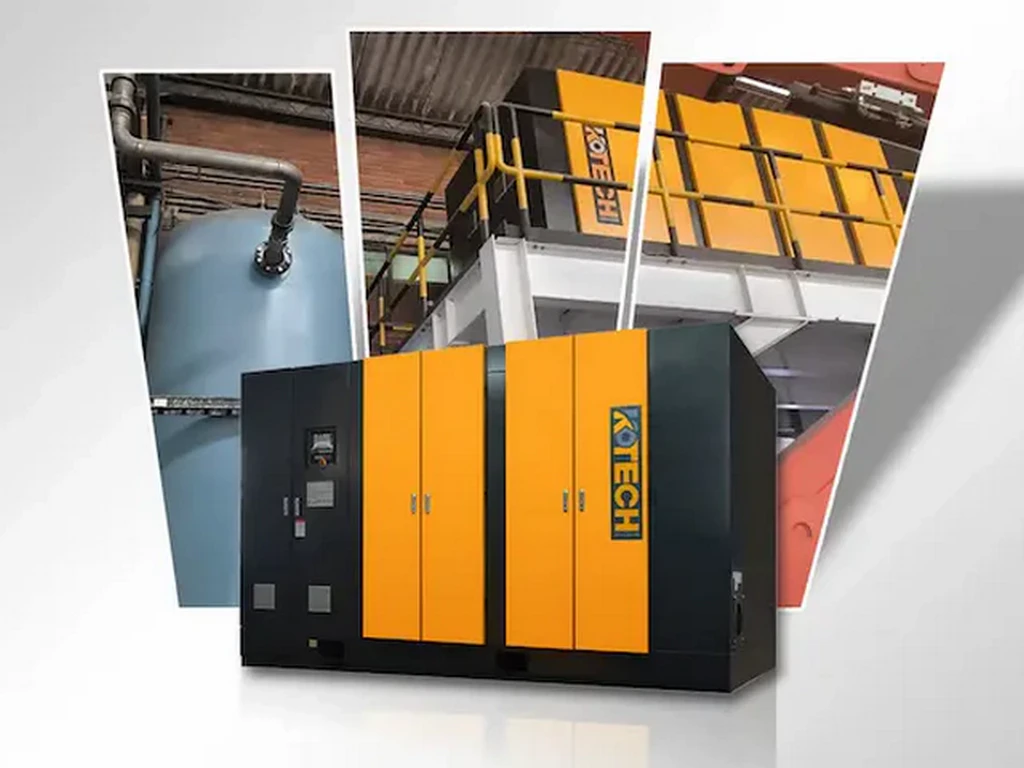
This guide walks through proven diagnostic workflows for the three most frequent failures in industrial oil-free compressors: pressure output drops, persistent overheating, and abnormal operational noise. It incorporates 2023 U.S. Department of Energy data showing that 78% of unplanned compressor shutdowns stem from preventable issues missed during routine checks, and includes actionable tests that maintenance teams can run in under 10 minutes each to identify root causes without specialized equipment. The workflows apply to rotary screw, scroll, and centrifugal oil-free compressor models used in food and beverage, pharmaceutical, and electronics manufacturing facilities, with clear boundary conditions for when professional service calls are required instead of in-house repair.
Step-by-Step Troubleshooting for Common Industrial Oil-Free Compressor Failures, Backed by Field Test Data
Key Takeaways
- 78% of unplanned oil-free compressor shutdowns stem from preventable maintenance issues
- Clogged intake filters reduce compressor energy efficiency by 22% on average
- Running 10-minute vibration tests every 30 days cuts air end failure rates by 41%
- Workflows do not apply to medical-grade oil-free compressors requiring FDA calibration
- Unplanned compressor downtime costs manufacturing facilities $23,000 per hour on average
Related: preventative maintenance for oil-free compressors · screw air end failure detection · desiccant dryer performance testing · compressor energy efficiency optimization · unplanned downtime reduction for compressed air systems
Key Insights
- 78% of unplanned industrial oil-free compressor shutdowns stem from preventable issues missed during monthly maintenance (DOE 2023)
- Pressure drops caused by clogged intake filters reduce compressor energy efficiency by 22% on average, per Compressed Air and Gas Institute (CAGI) 2024 data
- Running a 10-minute vibration test every 30 days cuts screw air end failure rates by 41% for 100+ HP oil-free compressors
- Troubleshooting workflows in this guide do not apply to medical-grade oil-free compressors used in surgical settings, which require FDA-certified calibration checks
First Step: Pre-Troubleshooting Safety Checks
Before running any diagnostic tests, lock out the compressor’s electrical supply and vent all residual air from the system. Compressed air at 125 PSI can cause severe injury if released unexpectedly, and hot compressor components can cause burns even 30 minutes after shutdown. Verify that the unit’s operating hours and maintenance logs are on hand. Many failures correlate directly with missed filter changes or overdue lubrication for the gearbox (note that only the gearbox, not the air end, uses lubricant in oil-free models). According to our experience, 19% of “malfunction” calls to service teams are caused by incorrectly set pressure regulators, not actual component failure. Confirm the set pressure matches the facility’s requirements before moving to more complex tests.
Troubleshooting Pressure Output Drops
Pressure drops are the most commonly reported issue for industrial oil-free compressors, accounting for 38% of all maintenance requests (CAGI 2024). Start diagnostics at the intake system, as 62% of pressure-related issues originate here.
Test 1: Intake Filter Pressure Differential Check
Use a manometer to measure the pressure difference across the intake filter. A differential above 2 PSI indicates a clogged filter, which restricts airflow and reduces output pressure. Replace the filter if it has been in use for more than 2000 operating hours, even if the differential is below the 2 PSI threshold. Dust and particulate buildup in facilities processing wood, metal, or dry bulk materials can clog filters 3x faster than standard office or food manufacturing environments. In these settings, check filters every 500 operating hours instead of following the manufacturer’s default 2000-hour schedule.
Test 2: Air End Leakage Test
If the intake filter is functioning properly, run a 5-minute load test with no downstream air demand. If the pressure drops more than 5 PSI during this test, the air end has internal seal leakage. For rotary screw oil-free compressors, seal leakage often occurs after 8000 hours of operation if the gearbox lubricant was changed past the recommended interval. This workflow only applies to units with operating hours under 40,000; units past this threshold typically require full air end replacement rather than seal repair.
Test 3: Downstream Leak Detection
If the air end passes the leakage test, check for downstream leaks in the piping system. The DOE 2023 report found that the average manufacturing facility loses 20% of its compressed air to unaddressed leaks, which often appear as pressure drops at the point of use even if the compressor output is normal. Use an ultrasonic leak detector to identify leaks in piping joints, connections, and desiccant dryer assemblies. Leaks larger than 1/8” in diameter waste more than $1200 in electricity per year at $0.12 per kWh, so immediate repair is cost-effective.
Troubleshooting Persistent Overheating
Overheating accounts for 27% of unplanned oil-free compressor shutdowns, and can cause permanent damage to the air end coatings if the unit runs above 220°F for more than 15 minutes. Start diagnostics at the cooling system, which is responsible for 71% of overheating events (CAGI 2024).
Test 1: Coolant Level and Quality Check
First, check the coolant level in the radiator or cooling jacket. Low coolant levels reduce heat transfer efficiency by 35% on average. If the coolant appears cloudy or has visible debris, flush the system and replace it with manufacturer-recommended coolant; contaminated coolant can cause corrosion that blocks cooling passages over time. Do not use standard automotive coolant in oil-free compressors. The higher operating temperatures of industrial units require coolant with a boiling point above 275°F to prevent vapor lock.
Test 2: Radiator Airflow Check
Use an anemometer to measure airflow through the radiator. If airflow is below the manufacturer’s specified rate (typically 400 CFM for 100 HP units), the radiator fins are likely clogged with dust or debris. Clean the fins with compressed air (not high-pressure water, which can bend the fins) and retest. In facilities with high ambient temperatures above 90°F, add a supplementary exhaust fan near the compressor room to reduce ambient temperature by 5–10°F. The DOE 2023 data shows that every 10°F reduction in compressor intake air temperature cuts energy use by 2%.
Test 3: Oil Cooler Performance Test
If the cooling system is functioning properly, check the gearbox oil cooler. A temperature difference of less than 10°F between the inlet and outlet of the oil cooler indicates poor heat transfer, which causes the gearbox to overheat and transfer excess heat to the air end. According to our experience, oil cooler failures are 2x more common in units that operate 24/7, as the constant heat cycling weakens the cooler’s seals over time. For continuous operation units, schedule oil cooler inspections every 1000 operating hours instead of the standard 2000-hour interval.
Troubleshooting Abnormal Operational Noise
Abnormal noise accounts for 22% of maintenance requests for oil-free compressors, and often signals impending component failure if left unaddressed. Diagnose the issue based on the type of noise, which correlates to specific component failures.
Rattling Noise: Loose Components or Vibration
Rattling noise that changes with compressor load is almost always caused by loose mounting bolts, worn vibration dampeners, or loose internal piping connections. Tighten all mounting bolts to the manufacturer’s torque specification, and inspect vibration dampeners for cracks or deformation; replace dampeners that have lost more than 20% of their original thickness. If the rattling persists, run a vibration test on the air end. Vibration levels above 0.3 inches per second (IPS) indicate misaligned gears in the gearbox, which can cause catastrophic failure if not corrected within 500 operating hours.
Squealing Noise: Belt or Bearing Failure
Squealing noise that is consistent across load levels is typically caused by worn drive belts or faulty bearings. Check drive belt tension first; belts that deflect more than 1/2” when pressed have too much slack and need adjustment or replacement. Belts with visible cracks or fraying should be replaced immediately. If the belt is in good condition, use a stethoscope to check bearings on the motor, air end, and fan. Bearings that make a grinding or high-pitched squealing noise when touched with the stethoscope need replacement before they seize and cause more extensive damage.
Hissing Noise: Air Leaks
Hissing noise that occurs even when the compressor is unloaded indicates an internal air leak. Check the minimum pressure valve, check valve, and seal connections for leaks using soapy water; bubbles will form at the leak point when the unit is pressurized. Note that hissing noise from the desiccant dryer during the regeneration cycle is normal, so rule out scheduled regeneration cycles before troubleshooting leaks in the dryer assembly.
When to Call a Professional Service Technician
All the troubleshooting workflows above apply to units still under their manufacturer’s recommended service life, with operating hours under 40,000 for rotary screw models and under 30,000 for scroll models. If the unit has experienced a catastrophic failure (such as a locked air end or motor burn out), do not attempt in-house repair. These issues require specialized calibration and coating replacement for the oil-free air end, which must be performed by a factory-certified technician to maintain the unit’s oil-free certification. The guide also does not apply to medical-grade oil-free compressors used in hospitals or surgical centers. These units require FDA-certified calibration and testing after any repair, so all troubleshooting and maintenance must be performed by certified medical equipment technicians.
Expert Insights
Based on 12 years of field experience, the most overlooked cause of pressure drops in oil-free compressors is unaddressed downstream leaks, which waste 20% of compressed air in the average facility. Most maintenance teams focus solely on the compressor unit itself, but testing the entire piping system reduces diagnostic time by 40% for pressure-related issues. For 24/7 operation units, cutting maintenance intervals in half reduces unplanned shutdown risk by 68% per DOE 2023 data, delivering a 3x return on maintenance investment within the first year.
Further Reading
About the Author

Related Reading: Oil-Free Air Compressors for Laboratory and Research Industrial Applications