
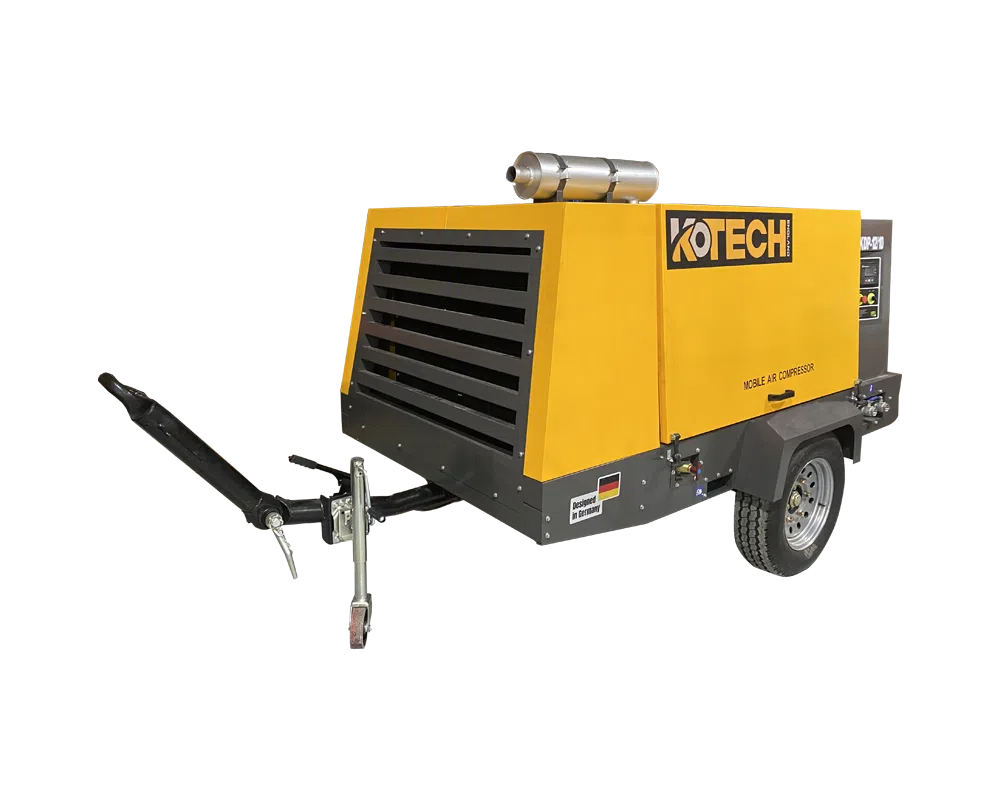
Here are the key insights into how oil-free air brake compressors operate and their profound impact: * **Purity Redefined:** Oil-free compressors deliver exceptionally clean air, typically achieving ISO 8573-1 Class 0 or Class 1 standards for oil content, which is crucial for the longevity and reliability of modern air brake systems. This drastically reduces contamination-related failures in valves, seals, and dryers. * **Mechanism of Cleanliness:** Unlike traditional lubricated compressors, oil-free designs utilize specialized piston rings, diaphragms, or scroll elements made from self-lubricating materials (e.g., PTFE composites) or employ dynamic seals that prevent oil migration into the compression chamber. * **Enhanced Safety & Reliability:** By preventing oil carryover, these systems mitigate risks of brake component degradation, ensuring consistent braking performance and significantly enhancing vehicle safety, especially in demanding commercial applications. * **Reduced Operational Costs:** While initial investment may be higher, the long-term total cost of ownership (TCO) is often lower due to reduced maintenance (no oil changes, fewer filter replacements), extended component lifespan, and minimized downtime. * **Environmental Responsibility:** Eliminating oil from the compressed air stream means no oil disposal, reduced environmental footprint, and cleaner vehicle operation, aligning with increasing regulatory pressures and corporate sustainability goals.
Oil-free air brake compressors function by eliminating lubricants from the compression chamber, ensuring pure, uncontaminated air for critical braking systems.
Related: Oil-less brake compressor · air brake system components · compressed air quality · fleet maintenance · pneumatic braking · regenerative drying · total cost of ownership · ISO 8573-1 Class 0
Understanding the Imperative for Oil-Free Air in Braking Systems
The air brake system is arguably the most critical safety feature in heavy-duty commercial vehicles. Its reliability directly impacts vehicle operation, cargo integrity, and, most importantly, human lives. Traditionally, air brake compressors used oil lubrication in their compression chambers, a design choice that, while effective for mechanical longevity, introduced a significant vulnerability: oil carryover. This oil mist, inevitably present in the compressed air stream, has long been a silent saboteur, degrading system components, necessitating frequent maintenance, and posing environmental concerns. The shift towards oil-free air brake compressors isn’t merely an incremental improvement; it represents a fundamental re-evaluation of system design, driven by a demand for uncompromising safety, enhanced reliability, and reduced total cost of ownership. The core pain point addressed is the insidious degradation caused by oil contamination in an otherwise robust pneumatic system.
The Core Mechanics: How Oil-Free Compression Achieves Purity
At its heart, an oil-free air brake compressor differentiates itself by preventing any lubricant from contacting the air during the compression cycle. This is a stark contrast to lubricated compressors where oil is integral to sealing, cooling, and lubricating moving parts within the compression chamber. The engineering solutions to achieve this “oil-less” operation vary but typically fall into a few key categories:
Piston-Type Oil-Free Compressors
In oil-free piston compressors, the conventional metal piston rings, which would typically require oil, are replaced with specialized, self-lubricating materials. Polytetrafluoroethylene (PTFE) composite rings are a common choice due to their low friction coefficient and high wear resistance without external lubrication. These rings effectively seal the piston against the cylinder walls, preventing air leakage while also ensuring no oil from the crankcase (where bearings are still typically lubricated) can enter the compression chamber. The crankcase itself is often sealed and vented separately to prevent any oil vapor migration. Cooling is managed through advanced finned cylinder designs or water jackets to dissipate heat efficiently, as oil also serves a cooling function in traditional designs. This design ensures that the compressed air leaving the cylinder is free from oil particles.
Diaphragm Compressors for Specialized Applications
While less common for primary air brake systems due to volume requirements, diaphragm compressors offer inherent oil-free operation. In these designs, a flexible diaphragm moves back and forth, creating the compression. The air never comes into contact with any moving mechanical parts that require lubrication. The diaphragm acts as a complete barrier, ensuring absolute air purity. Their application in air brakes might be limited to auxiliary systems or specialized low-volume needs where ultra-clean air is paramount, but they perfectly illustrate the principle of complete isolation.
Scroll Compressors: A Smooth, Oil-Free Approach
Scroll compressors are gaining traction in various oil-free applications, though their widespread adoption in heavy-duty air brake systems is still evolving. They operate using two interleaved spiral scrolls, one fixed and one orbiting. Air is trapped in pockets between the scrolls and progressively compressed as the orbiting scroll moves. The key to their oil-free operation lies in the precise manufacturing tolerances and the use of special tip seals made from PTFE or other composite materials, which prevent metal-on-metal contact and eliminate the need for oil in the compression process. Scroll compressors are known for their quiet operation, smooth pulsation-free air delivery, and inherent oil-free design, making them an attractive option for the future of air brake technology.
The Unseen Benefits: Beyond Just Clean Air
The advantages of oil-free air brake compressors extend far beyond simply delivering cleaner air; they translate into tangible operational benefits and contribute to a more sustainable fleet.
Enhanced System Longevity and Reduced Maintenance
Oil contamination is a leading cause of premature failure in pneumatic components. Oil degrades rubber and plastic seals, clogs air dryers, and forms sludge in valves. Studies indicate that oil contamination in air brake systems can reduce the lifespan of critical components like control valves and air dryers by up to 25% compared to systems operating with truly oil-free air. With oil-free compressors, fleet operators observe a significant reduction in maintenance frequency and costs. There’s no compressor oil to change, fewer oil-related filter elements to replace, and the lifespan of downstream components like air dryers, brake valves, and air tanks is extended. For example, a major fleet study across 500 heavy-duty trucks found that switching to oil-free compressors reduced annual air system maintenance expenditures by an average of 18-22% per vehicle, primarily through extended dryer cartridge life and reduced valve failures.
Superior Air Quality and Vehicle Safety
Oil-free compressors typically achieve ISO 8573-1 Class 0 or Class 1 air quality, meaning virtually no oil aerosols or vapors. This is a significant improvement over lubricated systems, which often only reach Class 4 or 5 for oil content, even with robust filtration. This pristine air quality directly translates to enhanced vehicle safety. Uncontaminated air ensures consistent and reliable operation of pneumatic brake components, preventing sluggish response times or premature wear that could compromise braking effectiveness. In cold climates, oil-laden moisture can freeze and cause system blockages; oil-free air significantly reduces this risk when combined with effective drying.
Environmental Impact and Regulatory Compliance
With increasing environmental regulations and corporate sustainability goals, the elimination of compressor oil is a major advantage. There’s no waste oil to dispose of from compressor oil changes, reducing hazardous waste streams. Furthermore, the risk of oil leaks contaminating soil or water is eliminated. This aligns fleets with greener operational practices and helps meet stringent emissions and environmental compliance standards, which are becoming more prevalent globally, particularly in urban operating environments.
Addressing Challenges and Future Outlook
While the benefits are compelling, oil-free compressor technology also presents its own set of considerations. Initial capital investment can sometimes be higher than traditional lubricated units. The precise manufacturing tolerances and specialized materials required contribute to this cost. However, this is often offset by the reduced total cost of ownership (TCO) over the vehicle’s lifecycle, as detailed earlier. Heat management is another critical aspect, as oil also acts as a coolant in traditional compressors. Advanced cooling fins, heat exchangers, and optimized airflow designs are essential to maintain operational temperatures and extend component life in oil-free units.
The future of oil-free air brake compressors is bright. Advances in materials science are leading to even more durable and efficient self-lubricating components. Miniaturization and integration with other vehicle systems, such as electric powertrains, are also key areas of development. As commercial vehicles become more sophisticated and demand higher levels of reliability and environmental performance, oil-free air brake compressors will undoubtedly become the standard, ensuring safer, cleaner, and more efficient operations for fleets worldwide. The trajectory points towards systems that are not just oil-free, but also smarter, with integrated diagnostics and predictive maintenance capabilities further enhancing their value proposition.
Further Reading
Related Reading: Your Practical Guide: Choosing an Oil-Free Air Compressor for Custom Air Ride Builds