



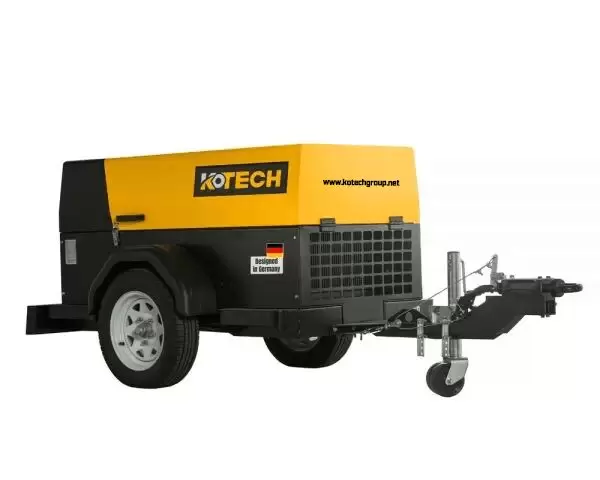
The best 500 CFM diesel air compressor models for industrial rental in 2024 are selected based on application, efficiency, and total cost of ownership.
Understanding the 500 CFM Sweet Spot for Industrial Rentals
The 500 CFM (Cubic Feet per Minute) diesel air compressor stands as a cornerstone in the industrial rental sector. This capacity isn’t arbitrary; it represents a critical sweet spot. It offers sufficient airflow for a wide array of applications, from operating multiple pneumatic tools to powering large-scale sandblasting rigs, without the excessive fuel consumption or cumbersome footprint of much larger units. For rental companies, managing a fleet of 500 CFM compressors means catering to a broad client base, from medium-sized construction projects to specialized industrial maintenance.
This particular segment has seen consistent demand due to its versatility. Rental operators report that 500 CFM units are among their most requested, often bridging the gap between smaller, less powerful units and specialized, high-CFM compressors. The balance of power, portability, and operational cost makes it an attractive option for short-term and long-term industrial projects.
Key Selection Criteria for 2024 Industrial Rental Compressors
Selecting the right 500 CFM diesel air compressor for your industrial rental fleet in 2024 goes far beyond just the CFM rating. The market has evolved, with new regulations, technological advancements, and shifting client expectations demanding a more nuanced approach. Understanding these criteria is essential for maximizing ROI and minimizing operational headaches.
Tier 4 Final Compliance: A Non-Negotiable Standard
For any new diesel equipment purchased or leased in North America, Tier 4 Final emissions compliance is mandatory. This isn’t just a regulatory hurdle; it impacts maintenance, fuel type, and overall operating costs. These units feature advanced exhaust aftertreatment systems, including Diesel Particulate Filters (DPF) and Selective Catalytic Reduction (SCR) with Diesel Exhaust Fluid (DEF). While these systems add complexity, they significantly reduce harmful emissions, making them environmentally responsible and legally sound. Rental companies must ensure their fleet meets these standards to avoid fines and ensure marketability.
Fuel Efficiency: The Dominant Cost Factor
Fuel efficiency is arguably the single most critical factor for rental profitability. Industry data suggests that diesel fuel consumption accounts for approximately 60-70% of a compressor’s total operating cost over its lifespan, making even marginal improvements significant. Modern 500 CFM diesel compressors leverage advanced engine management systems, variable speed controls, and efficient air ends to optimize fuel burn. Look for models with documented fuel consumption rates under various load conditions. A unit consuming 0.5 gallons per hour less than a competitor can save thousands of dollars over a year of continuous operation.
Telematics Integration: Smart Fleet Management
The adoption of telematics in industrial rental equipment is no longer a luxury; it’s a competitive advantage. Telematics systems provide real-time data on location, run hours, fuel levels, maintenance alerts, and diagnostic codes. For a rental fleet, this translates into improved utilization rates, proactive maintenance scheduling, enhanced security against theft, and accurate billing. Rental companies leveraging telematics report up to a 15% increase in asset utilization and a significant reduction in unexpected downtime. Prioritize models offering robust, user-friendly telematics platforms.
Durability and Serviceability: Built for the Grind
Industrial rental units endure harsh environments and multiple operators. A robust chassis, high-quality components, and protected controls are paramount. Equally important is ease of service. Quick access to filters, fluids, and common wear parts minimizes downtime between rentals. Look for extended service intervals, which reduce labor costs and increase machine availability. Manufacturers offering comprehensive parts availability and training also add significant value.
Top 500 CFM Diesel Compressor Models by Application Scenario
The “best” 500 CFM diesel air compressor isn’t a one-size-fits-all answer. It depends heavily on the specific industrial application. Here, we break down ideal model characteristics for common rental scenarios.
Construction & Demolition: Prioritizing Ruggedness and Portability
For construction and demolition sites, a 500 CFM compressor needs to be a workhorse. Key features include a heavy-duty frame, robust running gear for easy towing over rough terrain, and protected control panels. Units designed with minimal overhang and a low center of gravity enhance stability during transport. Prioritize models with excellent cold-weather starting capabilities, crucial for year-round construction projects in diverse climates. Features like large fuel tanks for extended run times (8-10 hours minimum) are highly valued on remote sites.
Mining & Quarrying: Demanding High Pressure and Durability
Mining and quarrying applications often require higher pressure capabilities in addition to high CFM for drilling and blasting. Look for 500 CFM units that can deliver pressures up to 150-200 PSI, rather than the standard 100-125 PSI. These environments are extremely dusty and harsh, necessitating heavy-duty air filtration systems and robust cooling packages to prevent overheating. Skid-mounted options or models with integrated lifting eyes are often preferred for easy placement and movement within mine sites. Specialized safety features, such as emergency stops and spark arrestors, are often mandatory.
Oil & Gas Exploration: Meeting Stringent Safety and Performance Standards
The oil and gas sector demands not only performance but also strict adherence to safety and environmental regulations. 500 CFM compressors for this industry should ideally be equipped with features like spark arrestors, positive air shutdown systems (PASD) for engine overspeed protection, and spill containment provisions. Corrosion-resistant coatings are vital due to exposure to harsh chemicals and saline environments. Remote monitoring capabilities through telematics are also crucial for managing assets across vast, often isolated, exploration sites. Reliability is paramount to avoid costly operational delays.
General Industrial Use & Sandblasting: Balancing Versatility and Cost-Effectiveness
For general industrial applications, including large-scale sandblasting, paint spraying, or powering multiple shop tools, versatility and cost-effectiveness are key. A 500 CFM unit with adjustable pressure settings (e.g., 100-150 PSI) offers greater flexibility for various tasks. Fuel efficiency remains a top concern, as these units may run for extended periods. Ease of operation and minimal noise levels are also beneficial, especially in urban or enclosed industrial settings. Models with simple, intuitive controls and straightforward maintenance schedules are preferred by a wider range of rental clients.
The ROI of Smart Compressor Selection in the Rental Market
The ultimate goal for any industrial rental business is to maximize the return on investment (ROI) of its assets. Smart 500 CFM compressor selection directly impacts this. Beyond the initial purchase price, consider the Total Cost of Ownership (TCO). This includes fuel costs, maintenance expenses (parts and labor), downtime costs, and eventual resale value.
Investing in a slightly more expensive unit that offers superior fuel efficiency, longer service intervals, and advanced telematics can yield significantly higher profits over its operational life. For instance, a compressor with 20% better fuel economy could save a rental company over $10,000 annually per unit, assuming 2,000 operating hours. Furthermore, units from reputable manufacturers with strong dealer networks and readily available parts tend to hold their resale value better, contributing positively to the overall TCO. Rental operators who prioritize these factors will build a more profitable and reliable fleet.
Navigating the 2024 Market: Manufacturer Support and Innovation
The 2024 market for 500 CFM diesel air compressors is competitive, with leading manufacturers continually innovating. Beyond the machine itself, evaluate the manufacturer’s support network. A strong local dealer presence, readily available parts, and responsive technical support are invaluable for a rental operation. Consider manufacturers who offer robust warranties and comprehensive training for your service technicians. Innovation in areas like remote diagnostics, predictive maintenance algorithms, and even alternative fuel options (though less common for 500 CFM diesel units currently) will shape future rental fleet decisions. Making informed choices now ensures your fleet remains competitive and profitable for years to come.