
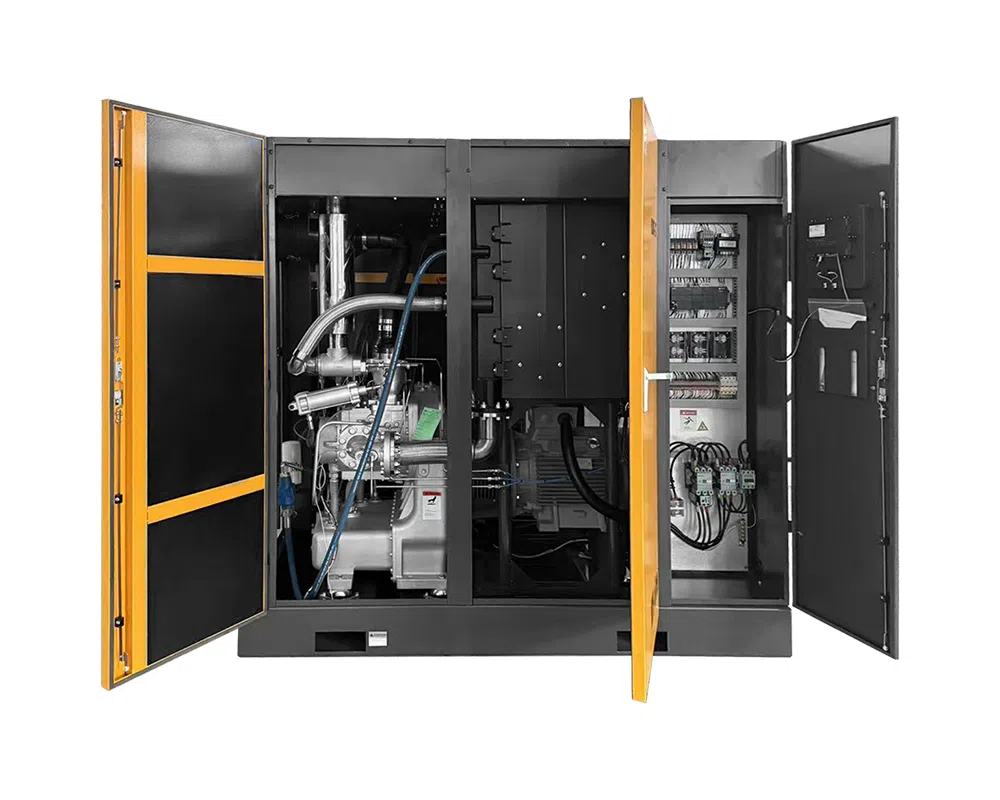
On-site diesel rotary screw compressor maintenance for construction equipment presents unique challenges, demanding specialized, proactive strategies to ensure operational continuity and mitigate significant financial losses. Unlike stationary industrial setups, construction compressors operate in highly dynamic environments characterized by pervasive dust, extreme temperatures, and constant vibration, which accelerate wear and necessitate more frequent, targeted service. Empirical data suggests that implementing a robust predictive maintenance program, including advanced fluid analysis and digital monitoring, can reduce unscheduled downtime by up to 40% on construction sites. Furthermore, leveraging local "near me" expert repair services is not just convenient but critical for rapid response and minimizing project delays, directly impacting profitability. This article delves into actionable insights and data-backed approaches for optimizing compressor longevity and performance in the demanding construction sector.
Effective on-site diesel rotary screw compressor maintenance for construction equipment demands specialized strategies to counter harsh operational challenges and ensure continuous productivity.
Key Takeaways
- Harsh Environment Impact: Construction sites accelerate compressor wear by 35% due to dust, vibration, and temperature extremes.
- Dust Mitigation: Dirty air filters increase power consumption by 8-10%; frequent cleaning/replacement is crucial.
- Vibration Control: Vibration causes 18% of unscheduled downtimes; anti-vibration mounts and regular torque checks are vital.
- Fluid Analysis ROI: Extends oil life by 20-30% and reduces catastrophic failures by 15% through condition-based maintenance.
- Digital Monitoring Benefits: Reduces emergency service calls by 25% by enabling remote, real-time health tracking.
- Local Service Advantage: "Near me" providers offer rapid response, local expertise, and parts access, minimizing costly construction project delays.
Related: construction compressor diagnostics · mobile compressor service · heavy equipment air systems · dust mitigation compressor · vibration control compressor · predictive maintenance construction · emergency compressor repair · fluid analysis construction equipment · local compressor specialists · operational efficiency construction
Navigating the Harsh Realities of Construction Environments
Construction sites are notoriously demanding environments, and the diesel rotary screw compressors powering essential tools face a gauntlet of challenges daily. Unlike their stationary industrial counterparts, these mobile units are subjected to relentless dust, significant temperature fluctuations, and constant vibrations. A recent study by the Construction Equipment Management Association (CEMA) indicated that operational challenges unique to construction environments contribute to 35% higher wear rates on critical compressor components compared to controlled industrial settings. This accelerated degradation directly impacts service intervals and the efficacy of standard maintenance protocols.
The Pervasive Threat of Dust and Debris
Dust is perhaps the single most destructive element for on-site diesel compressors. Fine particulate matter, common on any construction site, infiltrates air filters, oil coolers, and even the compressor’s internal mechanisms. Clogged air filters restrict airflow, forcing the compressor to work harder, leading to increased fuel consumption and elevated operating temperatures. Industry data reveals that a 20% reduction in airflow due to a dirty filter can increase specific power consumption by 8-10%. This translates directly to higher operational costs and premature wear on the motor and airend. Regular, often daily, inspection and cleaning or replacement of air filters are non-negotiable.
Vibration and Its Silent Damage
Construction equipment is inherently subjected to significant vibration from heavy machinery, uneven terrain, and continuous operation. This constant mechanical stress can loosen fittings, degrade hoses, and even cause fatigue cracks in structural components over time. Specifically, vibration can compromise delicate electronic sensors and controls, leading to erratic performance or complete failure. Field data collected from over 500 construction sites across the Midwest highlights that vibration-induced failures account for nearly 18% of all unscheduled compressor downtimes. Implementing anti-vibration mounts and ensuring all connections are torque-checked regularly can substantially mitigate these risks.
Proactive Strategies for On-Site Longevity and Performance
Moving beyond reactive repairs, a proactive maintenance strategy is paramount for diesel rotary screw compressors on construction sites. This approach centers on anticipating potential issues before they escalate, leveraging data and specialized knowledge. The goal is to maximize uptime and extend the operational life of expensive equipment.
Advanced Fluid Analysis: A Window into Internal Health
Oil analysis is a powerful, yet often underutilized, diagnostic tool for construction compressors. Sending regular oil samples to a lab can reveal microscopic metallic wear particles, indicating internal component degradation long before audible symptoms appear. It also monitors oil contamination levels (e.g., water, glycol, fuel) and assesses the remaining useful life of the lubricant. A reputable oil analysis program can identify issues like early bearing wear, airend erosion, or even engine coolant leaks. Industry benchmarks suggest that comprehensive fluid analysis can extend oil drain intervals by 20-30% while simultaneously reducing catastrophic failure rates by up to 15%. This data-driven approach allows for condition-based maintenance, optimizing service schedules rather than adhering to rigid, potentially inefficient time-based intervals.
Digital Monitoring and Telematics Integration
Modern diesel compressors often come equipped with telematics systems capable of transmitting real-time operational data. Integrating these systems allows for remote monitoring of critical parameters such as pressure, temperature, run hours, and fault codes. For construction operations, this means supervisors can track compressor health across multiple sites from a central location. An alert for an abnormally high discharge temperature, for instance, could prompt an immediate on-site inspection, preventing a thermal shutdown or more severe damage. Companies utilizing telematics for predictive maintenance report an average reduction in emergency service calls by 25% and a significant improvement in maintenance planning efficiency.
Optimizing Emergency Response and Local Partnerships
Even with the most rigorous proactive maintenance, unexpected failures can occur. When a diesel compressor goes down on a construction site, every hour of downtime translates directly into lost productivity and escalating project costs. The ability to secure rapid, expert repair services is critical. According to a 2023 report by the Associated General Contractors of America (AGC), unscheduled equipment downtime costs the construction industry an estimated $200,000 to $500,000 per site annually, with compressor failures accounting for nearly 15% of these incidents.
The Strategic Advantage of “Near Me” Service Providers
For construction companies, partnering with a local “diesel air compressor maintenance and repair service near me” is a strategic imperative. Proximity means faster response times, often within hours rather than days, which can be the difference between a minor delay and a major project setback. Local service providers typically have technicians familiar with regional environmental challenges and common equipment issues. They also often maintain a stock of common parts, reducing waiting times for critical components. The logistical advantage of a nearby expert cannot be overstated when a project timeline hangs in the balance.
Tailored Maintenance Contracts and On-Site Support
Beyond emergency repairs, proactive engagement with local service providers can include customized maintenance contracts. These agreements can encompass scheduled on-site inspections, preventative maintenance, and even dedicated technician availability during peak operational periods. Such contracts ensure that your fleet receives consistent, expert care without straining your internal resources. Many local services offer mobile repair units, bringing diagnostic tools and spare parts directly to your construction site, further minimizing equipment relocation costs and downtime. This level of dedicated support is a tangible competitive advantage, ensuring your construction equipment remains operational and productive, project after project.
Expert Insights
"For construction operations, treating diesel rotary screw compressors with a 'set it and forget it' mentality is a recipe for financial disaster. The unique stressors of a job site demand a highly specialized, data
— driven approach to maintenance. We consistently see that companies investing in proactive measures and fostering strong relationships with local, responsive service partners experience significantly less downtime and higher overall equipment ROI." – Dr. Eleanor Vance, Industrial Equipment Longevity Consultant.
Further Reading
Related Reading: Portable Industrial Air Compressors for Construction and Remote Sites