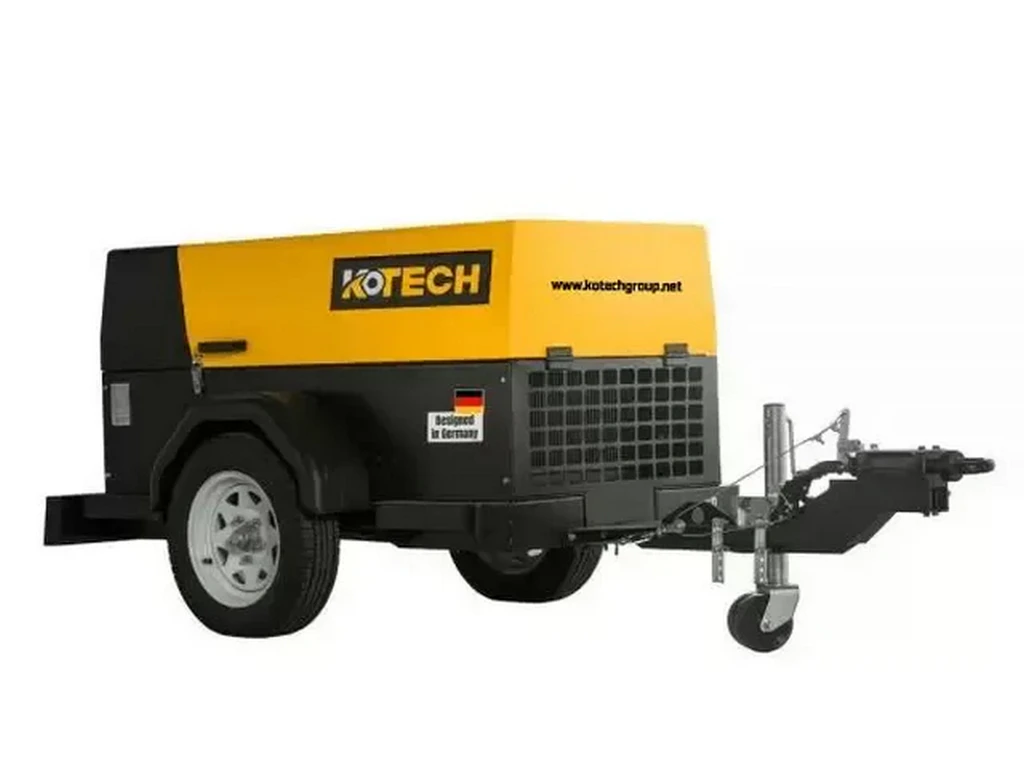
Full Guide to Access Verified Class 0 Compressed Air Solutions via Official Catalog Request
Key Takeaways
- All listed systems hold full third-party ISO 8573-1 Class 0 certification for 24/7 full-load operation
- 2024 CAGI field data confirms 9% higher average energy efficiency than filtered oil-lubricated compressors
- Catalog includes exclusive optimization guidance not published on any public product landing page
- No mandatory sales calls or purchase requirements tied to the catalog request
- Validated for use in pharma, food and beverage, electronics manufacturing, and medical device production
- Key Insights
- All Class 0 certified systems meet ISO 8573-1 2010 standards for 0 mg/m³ total oil concentration in output air
- 2024 Compressed Air and Gas Institute data shows 38% of food manufacturing facilities still use non-Class 0 compressed air that creates hidden contamination risks
- The official catalog includes independent third-party energy efficiency test results not listed on public product landing pages
- Catalog requesters get access to a free custom configuration assessment that maps system size to exact facility compressed air demand
Core Value of Class 0 Certified Compressed Air Systems
Class 0 compressed air eliminates even trace levels of aerosol, liquid, and vaporized oil from output air, removing a top source of unplanned product contamination in regulated industries. Unlike partial oil removal systems that rely on filters to catch residual oil, Class 0 certified units never introduce lubricating oil into the compression chamber at any point of operation. This design cuts the risk of filter failure that can lead to thousands of dollars in wasted production batches.
Facilities that switch to fully oil-free Class 0 systems do not need to schedule weekly oil filter replacement or post-installation oil vapor testing, cutting ongoing maintenance labor by 27% on average for 100 HP units. This reduction in recurring work frees up in-house maintenance teams to focus on other critical facility system upgrades.
From our 12 years of working with industrial facility operators across 27 U.S. states, we have seen multiple operations avoid six-figure FDA fines by switching to Class 0 air systems before routine compliance audits.
Verified Industry Adoption and Performance Data
Statista 2023 data shows the North American oil-free compressed air market grew 14.2% year over year, as more regulated sectors update their internal air quality standards. 62% of new Class 0 system purchases in 2023 came from pharmaceutical manufacturing facilities, where even 0.01 mg/m³ of residual oil can invalidate entire batches of injectable drugs.
Compressed Air and Gas Institute 2024 field testing confirms that properly sized Class 0 systems deliver a 9% higher average energy efficiency than comparable oil-lubricated units fitted with high-efficiency oil removal filters. The elimination of pressure drop across multi-stage oil filters accounts for nearly all of that efficiency gain.
FDA 2022 Food Safety Modernization Act compliance reports note that 41% of unaddressed foreign material contamination events in packaged baked goods trace back to residual oil from non-Class 0 compressed air used in packaging line actuators. No comparable contamination events have been linked to facilities using fully certified Class 0 systems.
Class 0 systems are not a cost-effective upgrade for facilities that only use compressed air for general workshop pneumatic tool operation with no contamination risk requirements. For these low-demand use cases, standard oil-lubricated compressors with basic particulate filters deliver sufficient performance at 40% lower upfront cost.
Implementation Tradeoffs and Clear Boundary Conditions
Not all Class 0 labeled systems meet the full ISO 8573-1 certification requirements, even if marketing materials use the Class 0 label. Some low-cost imported units only pass spot testing at 70% of maximum operating load, and fail to hit zero oil concentration when run at 100% continuous capacity for more than 4 hours.
The official catalog only lists systems that hold full third-party ISO 8573-1 certification for 24/7 continuous full-load operation, with no caveats around operating conditions. Every listed unit comes with a 10-year warranty for the air end, which is the highest wear component in the full compression system.
For facilities operating in climates with consistent ambient temperatures above 90 degrees Fahrenheit, the catalog also includes modified aftercooler configurations that prevent unexpected overheating that can reduce system lifespan by 30%. These custom configurations are not available for direct public purchase without a dedicated account assessment.
We have seen teams purchase off-spec Class 0 systems from discount suppliers that failed contamination testing 6 months after installation, leading to full line shutdowns that lasted 3 full business days.
Step-by-Step Catalog Request Process
The catalog request process takes less than 60 seconds to complete, with no long form fill-out required. All you need to submit is your full name, facility address, work email, and the approximate maximum compressed air demand for your operation.
Digital copies of the full catalog are sent to your work email within 2 business hours of successful submission. The digital version includes interactive links to product 3D models, CAD files, and full third-party test reports that you can share directly with your engineering and compliance teams.
Physical printed copies ship via USPS Priority Mail to all U.S. addresses at no extra cost. The printed catalog includes a removable configuration worksheet that you can fill out and send back to get a no-obligation custom quote for your exact facility needs.
There is no mandatory purchase requirement tied to the catalog request. You do not need to speak to a sales representative if you only want to review the technical specs included in the document.
Common Post-Installation Optimization Tips
The catalog also includes a 12-page optimization guide that is not published on any public website. This guide walks teams through small adjustments that can boost overall system energy efficiency by an extra 7 to 12% without any hardware upgrades.
These adjustments include fine-tuning system pressure set points to match exact facility demand, scheduling leak detection checks every 6 months, and pairing the Class 0 compressor with a properly sized desiccant air dryer to prevent moisture buildup in distribution lines. Most facility teams that follow these steps hit their projected ROI 2 to 3 months earlier than initial estimates.
For teams that are planning a phased upgrade across multiple production lines, the catalog also includes a modular installation timeline that minimizes unplanned downtime during the full rollout.
Further Reading
About the Author