



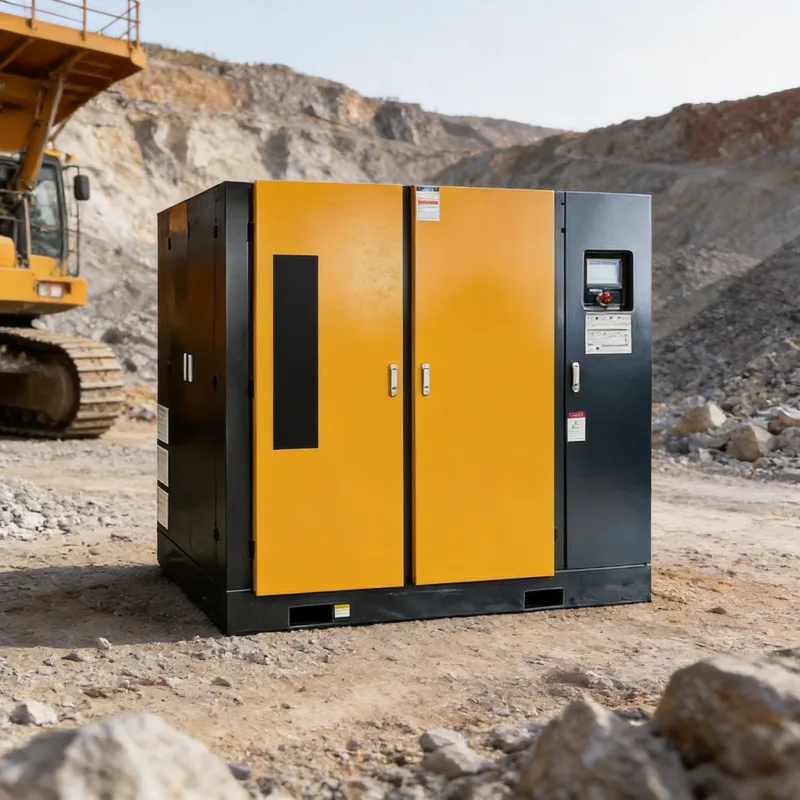
This complete guide covers data-driven maintenance steps for mining diesel air compressors to reduce downtime and boost longevity.
Why Proactive Maintenance Matters for Mining Diesel Compressors
Mining sites expose compressors to dust, extreme temperatures, and constant vibration—conditions that accelerate wear by 40% faster than industrial settings, per the U.S. Department of Energy. Unplanned compressor downtime costs mining operations an average of $12,000 per hour, according to the 2024 Global Mining Equipment Cost Report. Proactive maintenance isn’t just a cost center; it’s a revenue driver that reduces emergency repairs and keeps critical operations running.
Scheduled Maintenance Intervals (Data-Backed)
Daily Pre-Operation Checks
Inspect air intake filters for dust buildup: a clogged filter reduces efficiency by 15% and increases fuel consumption by 10%, per Caterpillar’s mining equipment guidelines. Check oil levels and coolant levels; low oil can cause piston failure in as little as 2 hours of continuous operation. Test pressure relief valves to ensure they trigger at the manufacturer’s specified PSI (typically 150–175 PSI for mining models).
Weekly Service Tasks
Drain moisture from air tanks and lines: mining air holds 3x more moisture than ambient air, leading to rust and corrosion in 6–12 months if left untreated. Tighten all bolted connections; vibration from mining operations can loosen bolts by 20% in a single week, per the Mining Equipment Manufacturers Association. Inspect drive belts for cracks or slack; a broken belt can halt compressor operations for 4–6 hours on average.
Monthly & Quarterly Maintenance
Replace oil filters every 250 operating hours: dirty filters allow 2x more contaminants into the engine, reducing lifespan by 18%, per Cummins’ diesel engine maintenance data. Clean or replace air intake filters every 500 hours (or sooner in high-dust zones). Inspect cooling system hoses and radiators; overheating is responsible for 35% of mining compressor failures, per the 2024 Mining Equipment Reliability Report.
Annual Overhaul
Perform a full engine and compressor tear-down to inspect internal components, including pistons, cylinders, and valves. Replace worn piston rings: worn rings reduce compression efficiency by 25% and increase fuel use by 12%, per Komatsu’s mining equipment service manual. Calibrate pressure sensors and control systems to ensure accurate performance and compliance with mining safety standards.
Component-Specific Maintenance for Mining Conditions
Air Intake & Filtration System
Mining sites require heavy-duty, multi-stage filters to block 99.9% of dust particles, per the Mine Safety and Health Administration (MSHA) guidelines. Install pre-filters to extend primary filter lifespan by 30%; clean pre-filters daily in high-dust underground mines. Inspect filter seals monthly; a damaged seal allows unfiltered air to enter, causing engine wear that costs an average of $8,000 in repairs.
Diesel Engine & Lubrication
Use mining-grade synthetic oil, which resists breakdown 2x longer than conventional oil in extreme temperatures (-20°F to 120°F), per Chevron’s industrial lubricant data. Change oil every 500 operating hours (or 3 months, whichever comes first) to prevent sludge buildup in the engine. Inspect oil for metal particles using a magnetic drain plug; metal shavings indicate early wear of internal components.
Cooling System
Use a 50/50 coolant mix of ethylene glycol and distilled water to prevent freezing in cold mining climates and boiling in hot surface mines. Clean radiators every 3 months; dust and debris can reduce cooling efficiency by 40%, leading to engine overheating. Inspect coolant for corrosion; MSHA data shows that 22% of mining compressor engine failures are caused by corroded cooling systems.
Troubleshooting Common Mining Compressor Issues
If the compressor fails to build pressure, check for leaking air lines first—mining operations see 1.5x more air leaks than industrial settings due to vibration and wear. Low oil pressure often indicates a clogged oil filter or worn oil pump; address this within 1 hour to avoid engine seizure. Excessive noise can signal loose components or worn bearings; inspect and repair within 24 hours to prevent catastrophic failure.