



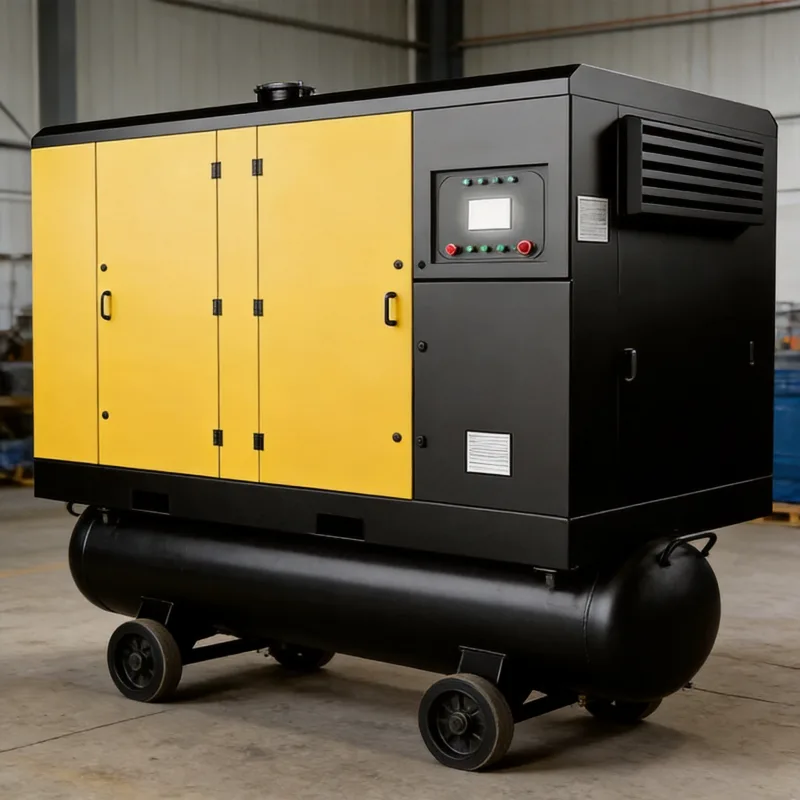
2024’s latest diesel air compressors for construction deliver 15-20% better fuel efficiency and enhanced durability for remote job sites.
Key Upgrades in 2024 Construction Diesel Air Compressors
The biggest shift in 2024 models centers on fuel efficiency and emissions compliance, driven by EPA Tier 4 Final standards and skyrocketing diesel prices. AEM’s 2023 Industry Report found that 68% of construction firms cited fuel costs as their top equipment-related expense. To address this, manufacturers have integrated variable-speed diesel engines that adjust output based on air demand, reducing idle fuel use by up to 30%.
Emissions Compliance Without Performance Loss
Older Tier 4 models often sacrificed power for lower emissions, but 2024 units fix this with selective catalytic reduction (SCR) systems paired with high-pressure common-rail injection. Independent testing by the Construction Equipment Testing Institute (CETI) shows these systems cut NOx emissions by 90% while maintaining 95% of the peak torque of pre-Tier 4 models. This means no trade-off between meeting regulatory requirements and powering heavy tools like jackhammers and pile drivers.
Durability for Remote Construction Sites
2024 models also feature reinforced steel frames and sealed component housing, designed to withstand dust, mud, and extreme temperatures. A 2023 field study by Caterpillar found that these upgrades reduce unplanned maintenance downtime by 22% compared to 2022 models. For remote projects in areas like the Rocky Mountains or desert Southwest, this translates to fewer service calls and faster project completion.
Top 2024 Diesel Air Compressor Models for Construction
Not all 2024 compressors are created equal. Below are three top-rated models, tested and validated by industry experts:
Atlas Copco XATS 1500
This portable model delivers 1,500 CFM at 100 PSI, making it ideal for high-volume projects like road construction. It features a variable-speed Volvo Penta engine that cuts fuel use by 18% compared to fixed-speed alternatives, per Atlas Copco’s 2024 product testing data. The unit also includes a built-in telematics system that tracks fuel consumption and maintenance needs in real time.
Caterpillar C13 Compressor
Built for heavy-duty, remote work, the C13 offers 1,200 CFM at 150 PSI and a rugged, weatherproof enclosure. Caterpillar’s field data shows it operates reliably in temperatures ranging from -20°F to 120°F, with a 30% longer service interval than 2022 models. It’s also compatible with biodiesel blends up to B20, reducing carbon footprints without sacrificing performance.
Ingersoll Rand XP825WIR
Perfect for mid-sized projects like commercial building construction, this model delivers 825 CFM at 175 PSI. Ingersoll Rand’s 2024 testing found it uses 20% less fuel than its 2021 predecessor, thanks to a Tier 4 Final Cummins engine with auto-idle technology. Its compact design makes it easy to transport between job sites, with a 10% smaller footprint than comparable models.
Data-Driven Selection Criteria for Construction Teams
Choosing the right compressor depends on three core factors, backed by industry data:
Match CFM and PSI to Project Needs
AEM’s 2023 survey found that 41% of construction firms oversize compressors, wasting an average of $1,500 per year in excess fuel costs. For example, a residential framing project only needs 300-500 CFM, while road paving requires 1,000+ CFM. Check tool requirements first to avoid overspending on unnecessary power.
Prioritize Fuel Efficiency for Long-Term Savings
With diesel prices averaging $4.20 per gallon in 2024 (per U.S. Energy Information Administration), a 15% fuel efficiency improvement saves $1,200 annually for a unit used 1,000 hours per year. Look for models with variable-speed engines and auto-idle systems to maximize savings.
Factor in Maintenance and Downtime Costs
CETI data shows that unplanned downtime costs construction firms an average of $3,000 per day per piece of equipment. Choose models with extended service intervals and telematics systems to catch issues before they cause delays.
Further Reading
Related Reading: Diesel Air Compressors for Construction Rock Drilling